




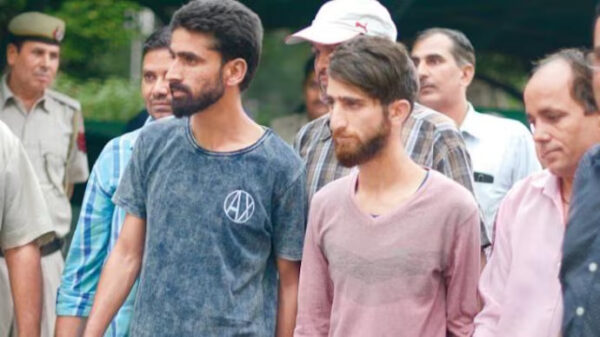
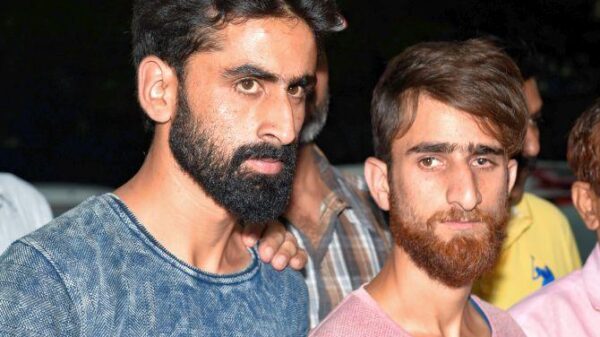


































Student activist Sharjeel Imam walked out of jail after nearly six years on Friday after a Delhi court granted him interim bail for 10 days to attend his brother’s wedding and look after his ailing mother.
The relief was granted by a sessions court on March 9, allowing Imam to remain out of custody from March 20 to March 30. Additional Sessions Judge Sameer Bajpai made it clear that the bail was temporary and strictly limited to family obligations.
“The interim bail is being granted only for the purpose of attending the wedding and related family needs,” the court said, adding that Imam must surrender once the period ends.
Imam had originally sought six weeks of interim bail, but the court granted partial relief of 10 days.
Arrest and Long Incarceration
Sharjeel Imam was arrested in January 2020 in connection with the larger conspiracy case linked to the northeast Delhi violence. Since then, he has remained in custody under stringent anti-terror provisions, making this his first release in several years.

His case has become one of the most closely watched among those accused in the riots conspiracy case, with prolonged incarceration and repeated denial of regular bail drawing attention from legal observers and rights groups.
Supreme Court Earlier Denied Regular Bail
The interim relief comes shortly after the Supreme Court of India refused to grant regular bail to Imam and co-accused Umar Khalid earlier this year.
A bench comprising Justices Aravind Kumar and NV Anjaria had observed that the prosecution had placed enough material to establish a “prima facie” case suggesting their involvement in the alleged conspiracy.
At the same time, the court granted bail to several other accused, including Gulfisha Fatima, Meeran Haider, Shifa Ur Rehman, Mohd Saleem Khan and Shadab Ahmed, noting that their roles differed from those attributed to Imam and Khalid.
What the Delhi Riots Conspiracy Case Involves
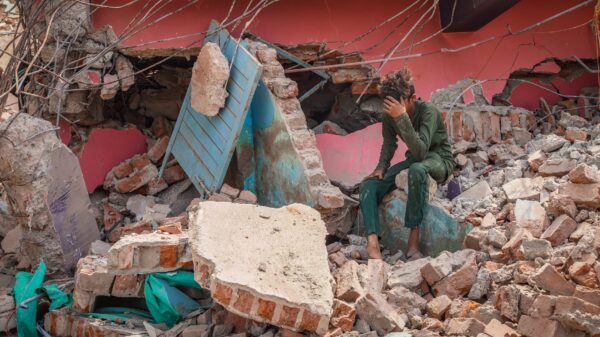
The case relates to the communal violence that broke out in northeast Delhi in February 2020, which left 53 people dead and over 700 injured. The violence took place during widespread protests against the Citizenship Amendment Act and the proposed National Register of Citizens.
According to the Delhi Police, the riots were part of a pre-planned conspiracy aimed at disrupting public order. Investigators have relied on speeches, digital evidence and witness statements to support their claims.
Imam and several others have been charged under the Unlawful Activities Prevention Act and provisions of criminal law. Multiple FIRs have been filed, and the trial in the case is still ongoing.