
























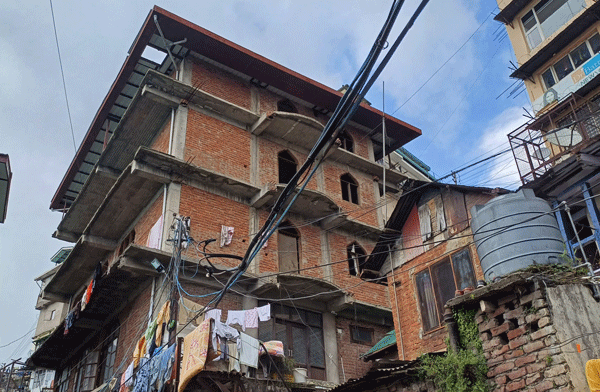
In Shimla, the right-wing group Hindu Raksha Manch held a press conference claiming that three mosques in Nerwa tehsil were built on government land. The group said it had obtained the information through a Right to Information (RTI) request and demanded that the district administration take immediate action against the structures.
Hindu Raksha Manch president Kamal Gautam told reporters that officials had admitted in an RTI reply that two mosques, named Rahman and Bilal, were standing on government land. “These constructions are illegal and part of a planned effort. The administration must act at once,” he said. “If there is no response, our organisation is ready to come out on the streets.” Gautam also claimed that such constructions were altering the population pattern of the state. “Government land is being taken over in many places. Mosques and shrines are being built without permission,” he added.
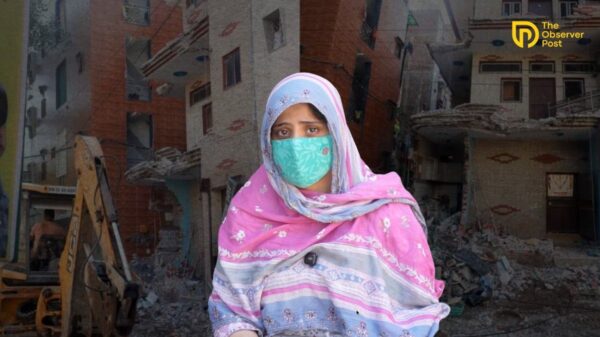
Muslim residents in Nerwa rejected the allegations and said the statements by Hindu groups had created fear in the community. A member of a local mosque committee said, “We are being named and shamed without any hearing. Threats are being made in public, and only mosques are being pointed out.” Another resident questioned why only Muslim religious places were being targeted, saying, “If there is any legal issue, it should be settled by law, not by pressure and warnings.”
Community leaders noted that a similar pattern had been seen in the Sanjauli Mosque case, raising concerns about a broader trend. “First Sanjauli, now Nerwa. This sends a message that Muslim religious places are easy targets,” a Muslim leader in Shimla said.
The controversy has also put the Congress-led state government under pressure. Himachal Pradesh Chief Minister Sukhvinder Singh Sukhu faces calls from Muslim groups to protect minority rights and prevent public threats against places of worship. A senior Congress leader, speaking privately, said, “Any issue of land must be checked as per records. No group should be allowed to decide matters through threats.”
As tensions rise, Muslim residents say they fear that street pressure, rather than the law, is shaping the debate. With protests being openly discussed, attention now turns to the district administration and how it will respond to the demands of Hindu organisations.