Days after securing bail, eight Muslim men arrested over an iftar gathering in Uttar Pradesh’s Shravasti district have reportedly left their homes, with their families saying they fear further police action and possible re-arrest.
The issue relates to an incident on March 17 at the Sonpathri Mai Sidhinath Ashram, located inside the Sohailwa Wildlife Division near the India-Nepal border. The ashram, known to attract visitors from different faiths, came under scrutiny following allegations linked to the iftar gathering.
According to police, the accused were part of a group that consumed non-vegetarian food while breaking their fast. They allegedly threw leftovers into a nearby stream associated with the ashram.
Based on these allegations, eight men, five from Shravasti and three from Bahraich, were arrested under two separate cases, including a complaint filed by the ashram head and another related to alleged forest law violations.
Families deny charges, allege misconduct
Although all eight men have now been granted bail, their families say they have not returned home due to fear.
“They are scared of being picked up again,” a family member said, claiming that the accused complied with legal procedures but still feel unsafe.
Relatives have also questioned the police version of events, arguing that the men could not have been present at the ashram due to the distance from their homes. Some alleged that police forcibly entered houses during the arrests and detained the men without proper procedure.
Police defend action
Police officials said the accused were identified through video footage and witness statements collected during the investigation. They maintained that swift action was necessary to prevent any potential law and order situation.
Authorities added that efforts are ongoing to identify others who may have been present during the gathering.
Debate over proportionality and targeting
The Shravasti case comes amid a similar controversy in Varanasi, where 14 men remain in jail over allegations of consuming non vegetarian food during iftar on a boat in the Ganga and disposing of leftovers into the river.

Critics have questioned whether the police response in such cases is proportionate. They argue that eating non vegetarian food during iftar is a normal practice and that allegations related to waste disposal remain either unproven or minor.
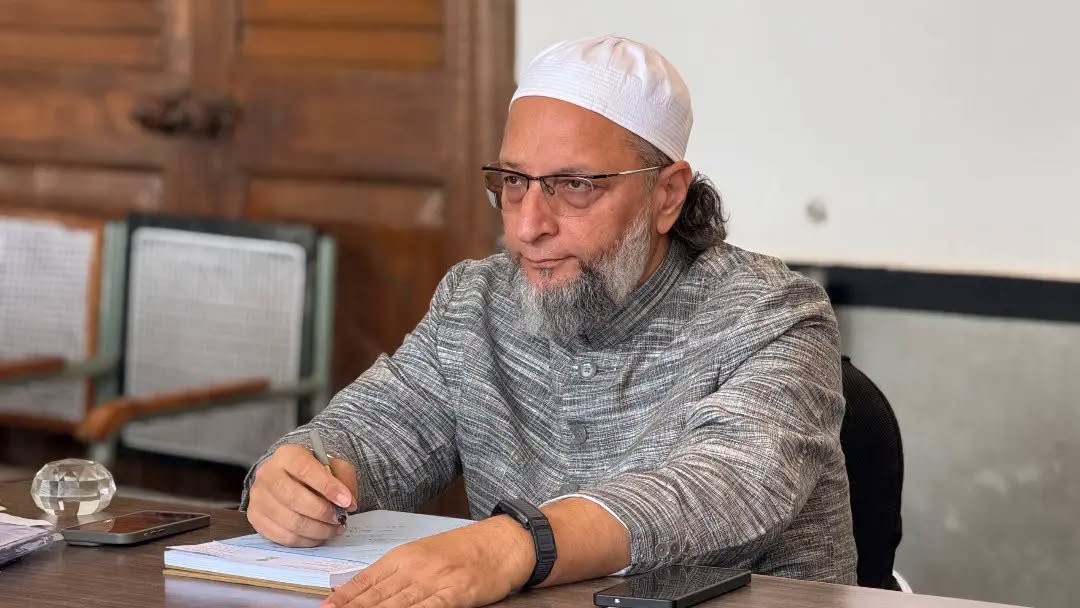
Asaduddin Owaisi criticised the action, calling it a “witch hunt” and questioning why similar urgency is not shown in tackling larger sources of pollution like sewage or industrial waste.
Many opposition leaders and community voices have raised concerns about selective enforcement and the possible targeting of minorities.