
























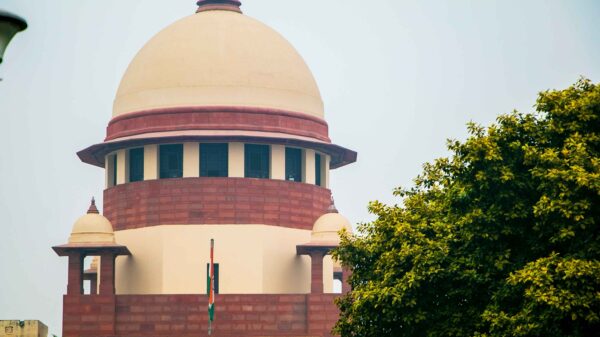





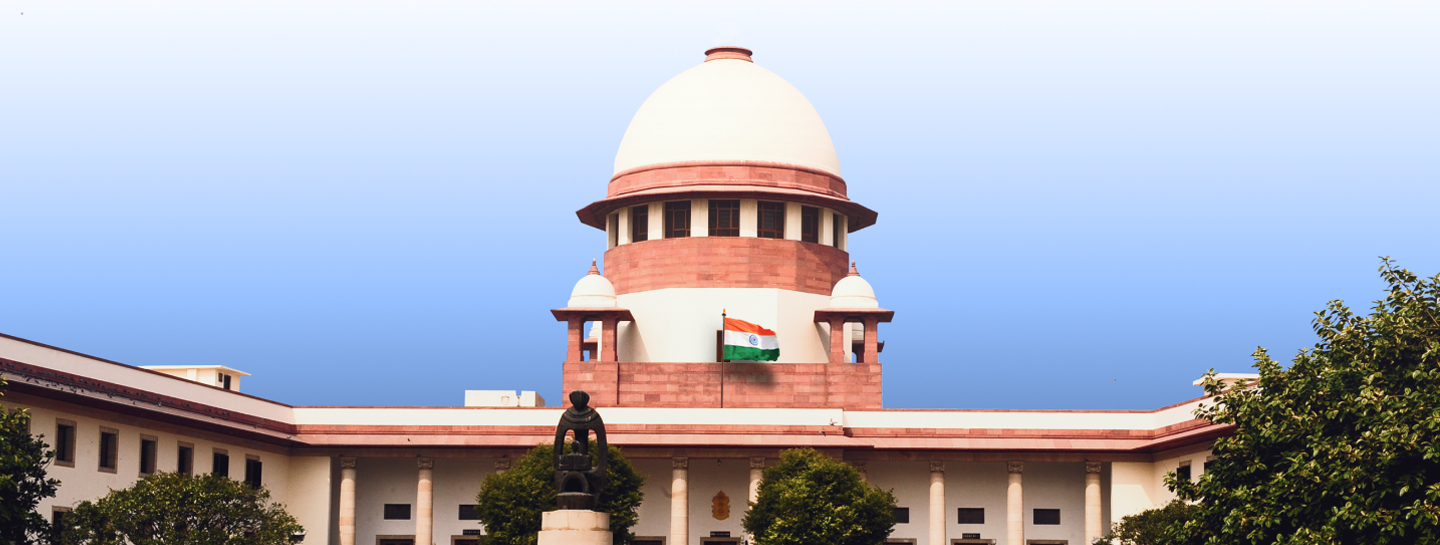
The Supreme Court of India on Friday, February 20, 2026, refused to entertain a petition seeking to restrain the construction, establishment, or naming of mosques or religious structures in the name of Mughal emperor Babur or the Babri Masjid. The petitioner’s counsel had referred to an announcement by suspended Trinamool Congress MLA Humayun Kabir to build a replica of the Babri Masjid in Murshidabad district, West Bengal.
After hearing the arguments, a bench of Justices Vikram Nath and Sandeep Mehta expressed their reluctance to entertain the plea. The petitioner’s counsel then requested to withdraw the petition, and the bench formally dismissed it as withdrawn.
Petitioner Objects to Naming After “Invaders”
The petition argued that constructing religious structures named after historical figures who were invaders would hurt public sentiment and compromise the dignity of Indian society. The counsel stated, “Kabir has announced the construction of Babri Masjid in Murshidabad despite Babur being an invader. Action should be taken against him.” The plea sought directions to the central and state governments to prevent the naming of any mosque or monument after Babur or Babri Masjid anywhere in India.
The petitioner also requested that authorities issue guidelines or administrative orders to prohibit such constructions in the future, aiming to ensure that historical invasions are not glorified through religious or public structures.
Background: Ram Janmabhoomi-Babri Masjid Verdict
The Supreme Court’s decision comes against the backdrop of the landmark verdict delivered by a five-judge bench in November 2019. That ruling resolved the decades-long Ram Janmabhoomi-Babri Masjid title dispute by clearing the way for the construction of a Ram Temple at the disputed Ayodhya site. The Court also directed the central government to allot a five-acre plot to the Sunni Waqf Board for building a mosque, balancing religious rights with legal settlements.
The current plea was a preventive measure, prompted by Humayun Kabir’s announcement to build a replica mosque in West Bengal, and aimed to stop similar initiatives across the country.
No Orders Issued by the Court
The bench clarified that it would not issue any restraining orders in this matter. The petitioner voluntarily withdrew the plea after the Court expressed its unwillingness to intervene. As a result, no directive was passed to either the state or central authorities.