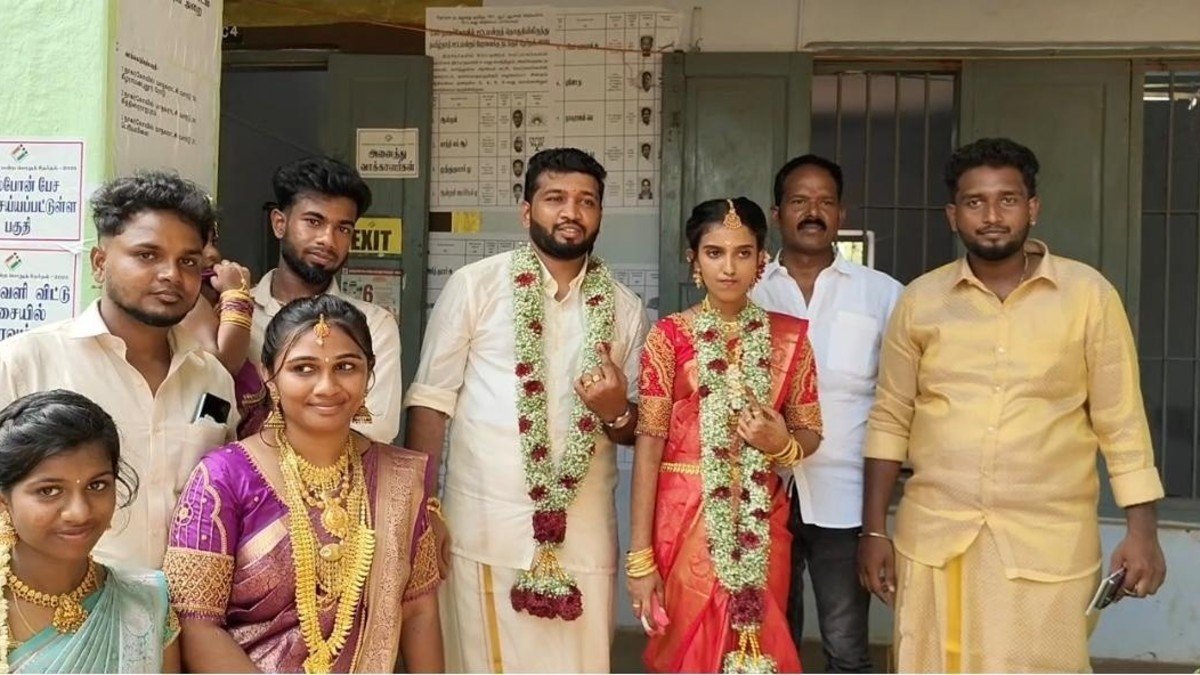
Voting for the 2026 Assembly elections in Tamil Nadu and West Bengal began at 7 am on Thursday and concluded amid tight security, high voter turnout, and scattered incidents of protests and boycotts.
The elections are being closely watched as both states witnessed intense campaigning and multi-cornered contests involving major political parties and alliances.
Record turnout in Tamil Nadu
Tamil Nadu voted in a single phase for all 234 Assembly constituencies, with over 5.7 crore registered voters eligible to participate.
Polling ended at 6 pm, and voters who had reached polling booths before closing time were allowed to cast their votes. According to officials, around 82.24 percent of voters exercised their franchise, marking one of the highest turnouts in the state’s electoral history.
Voting took place across more than 75,000 polling stations, deciding the fate of 4,023 candidates. Prominent leaders including Chief Minister M. K. Stalin, Deputy Chief Minister Udhayanidhi Stalin and AIADMK leader Edappadi K. Palaniswami were among early voters.

The contest in the state is largely seen as a battle between the DMK-led alliance and the AIADMK-BJP combine, with actor-politician Vijay adding a new dimension through his party’s debut.
Bengal sees nearly 90 percent polling in Phase 1
In West Bengal, the first phase of polling covered 152 constituencies across 16 districts. Nearly 3.60 crore voters were eligible, and turnout reached close to 90 percent, one of the highest in recent years.
Heavy deployment of central forces ensured security, especially in sensitive districts. The second phase of polling is scheduled for April 29.
The high turnout comes amid political tensions and allegations surrounding voter roll revisions, making the election crucial for both the ruling party and the opposition.
Clashes and EVM glitches reported
Despite large-scale security arrangements, some disruptions were reported.

In Birbhum district of West Bengal, clashes broke out between voters and security personnel following complaints of EVM glitches. Voters alleged that their votes were being recorded incorrectly, leading to protests and a temporary halt in polling. Security forces later brought the situation under control.
Boycotts highlight local grievances
Several areas, particularly in Tamil Nadu, witnessed election boycotts over unresolved local issues and caste-related tensions.
In Tirunelveli district’s Perumpathu village, no votes were cast at a polling booth after residents boycotted the election over a recent caste violence incident that left two people dead.
Similarly, in villages near Ettayapuram, known as the birthplace of Subramania Bharathi, residents stayed away from polling booths over a long-standing pathway dispute.
These boycotts underline how local conflicts and grievances continue to influence electoral participation.
Massive security and election arrangements
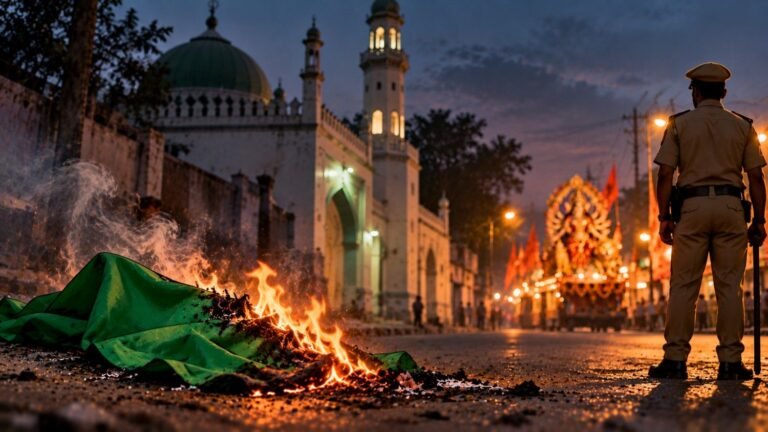
The Election Commission of India deployed extensive personnel and resources to ensure smooth polling in both states.
In Tamil Nadu, around 1,700 companies of central armed police forces were deployed, while West Bengal saw even higher security presence due to its sensitive electoral landscape.
Authorities emphasised strict enforcement of the Model Code of Conduct and ensured logistical readiness, including backup EVMs and VVPAT machines.
What lies ahead
With polling completed in Tamil Nadu and the first phase concluded in West Bengal, attention now shifts to the second phase in Bengal and the counting of votes scheduled for May 4.