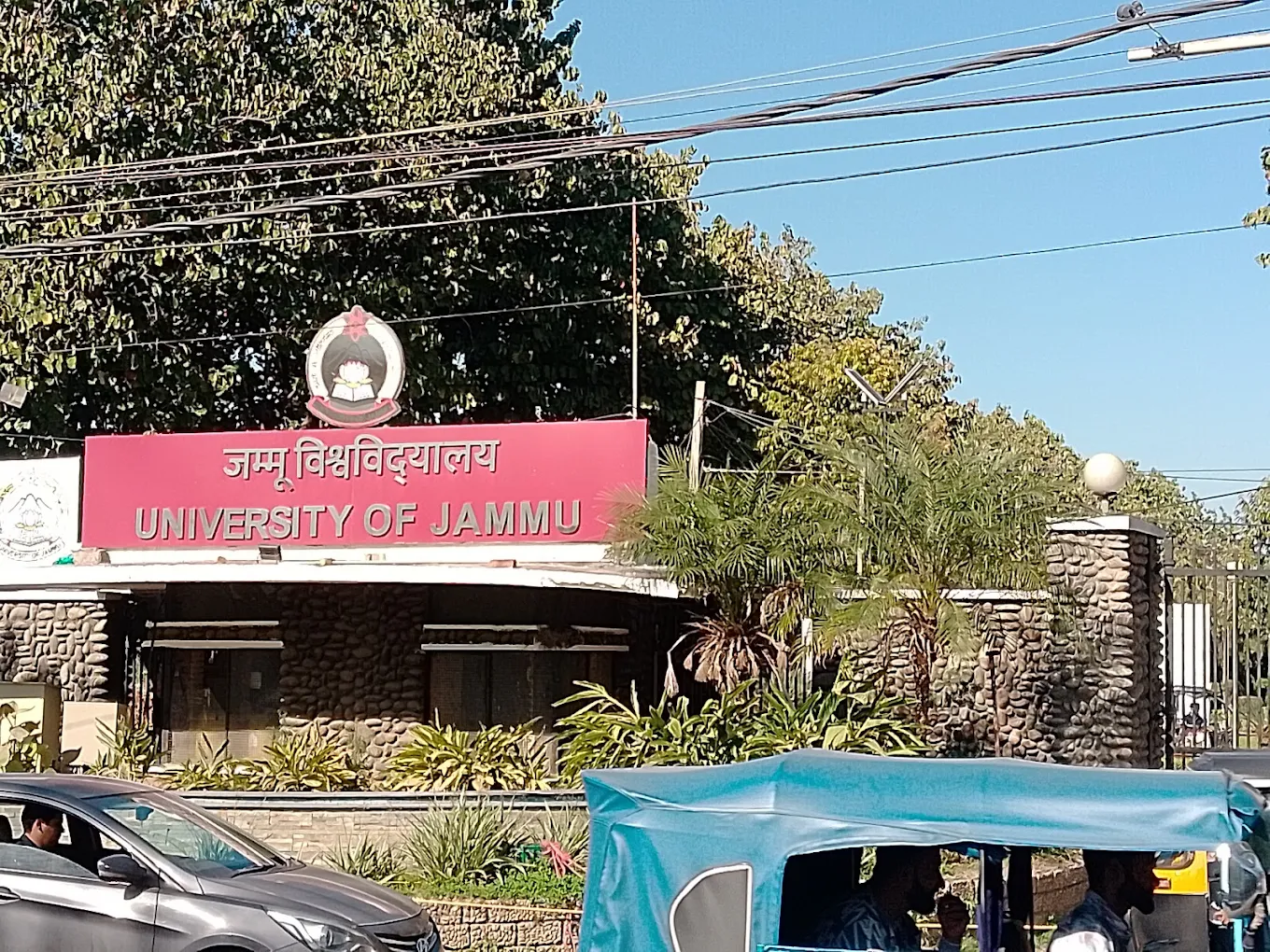
A major academic debate has emerged after a committee at the University of Jammu recommended removing key historical figures like Muhammad Ali Jinnah, Syed Ahmad Khan, and Muhammad Iqbal from the MA Political Science curriculum.
The recommendation was made by the Departmental Affairs Committee (DAC) and has now been forwarded to the Board of Studies (BoS), which is scheduled to meet on March 24 to take a final call.
Proposed Changes to Curriculum
The DAC’s proposal covers both one-year and two-year postgraduate programmes and suggests removing topics related to the three prominent figures from the syllabus. These topics were earlier included under the module “Minorities and the Nation,” introduced as part of the revised curriculum aligned with the National Education Policy (NEP) 2020.
The move comes amid growing scrutiny over how historical and political figures are represented in academic courses.
ABVP Protests Trigger Review
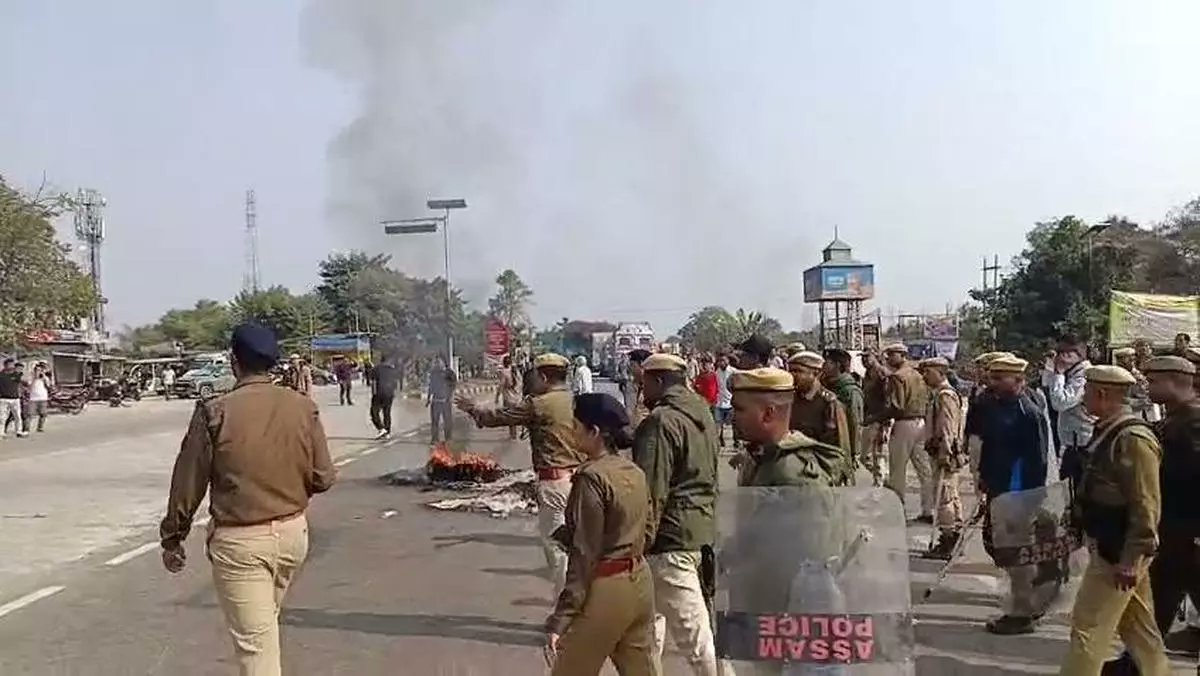
The recommendation follows protests by the Akhil Bharatiya Vidyarthi Parishad (ABVP), which objected to the inclusion of Jinnah in the syllabus. The student group argued that teaching figures associated with the two-nation theory and Partition raises “serious concerns” and could hurt national sentiments.
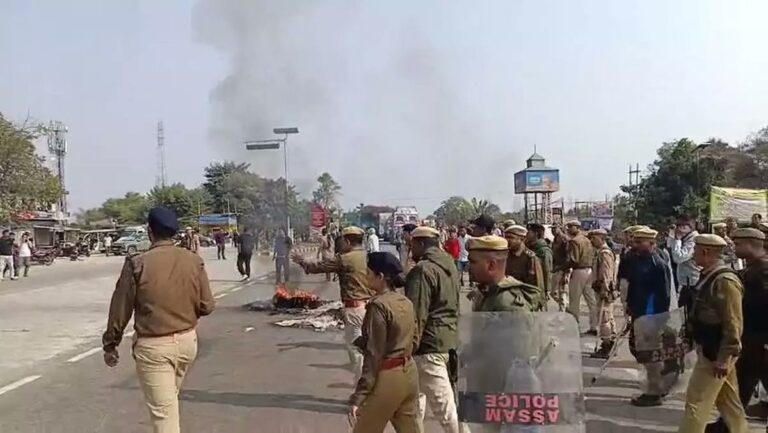
ABVP Jammu and Kashmir secretary Sannak Shrivats had warned of intensified protests if the chapters were not removed. He also called for including personalities who, according to him, made “positive contributions to minority welfare.”
Department Had Defended Inclusion
Earlier, the Political Science department had defended the syllabus, saying it was designed to provide a wide range of perspectives on modern Indian political thought.
Head of Department Prof. Baljit Singh Mann had explained that the curriculum included diverse thinkers such as Vinayak Damodar Savarkar, MS Golwalkar, Mahatma Gandhi, BR Ambedkar, Jawaharlal Nehru and Sardar Vallabhbhai Patel alongside Jinnah, Sir Syed, and Iqbal.
He maintained that the aim was to expose students to multiple viewpoints rather than promote any single ideology.
Unanimous Recommendation, Final Decision Pending
Reports said the DAC passed the resolution unanimously, taking into account the concerns raised during the protests. However, the final decision now rests with the Board of Studies, which will deliberate on whether to accept or reject the recommendation.
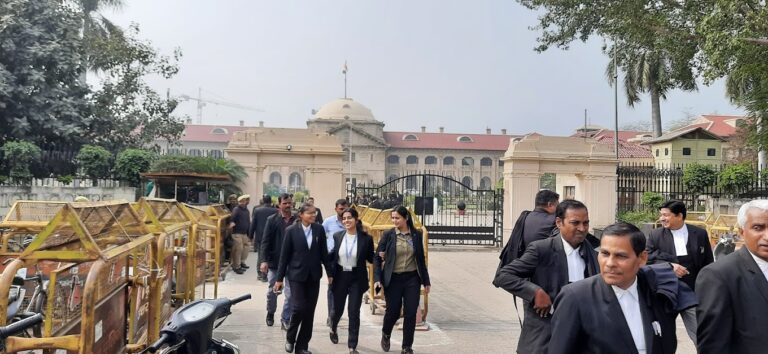
University officials have indicated that the review is part of a broader effort to reassess and update course content.