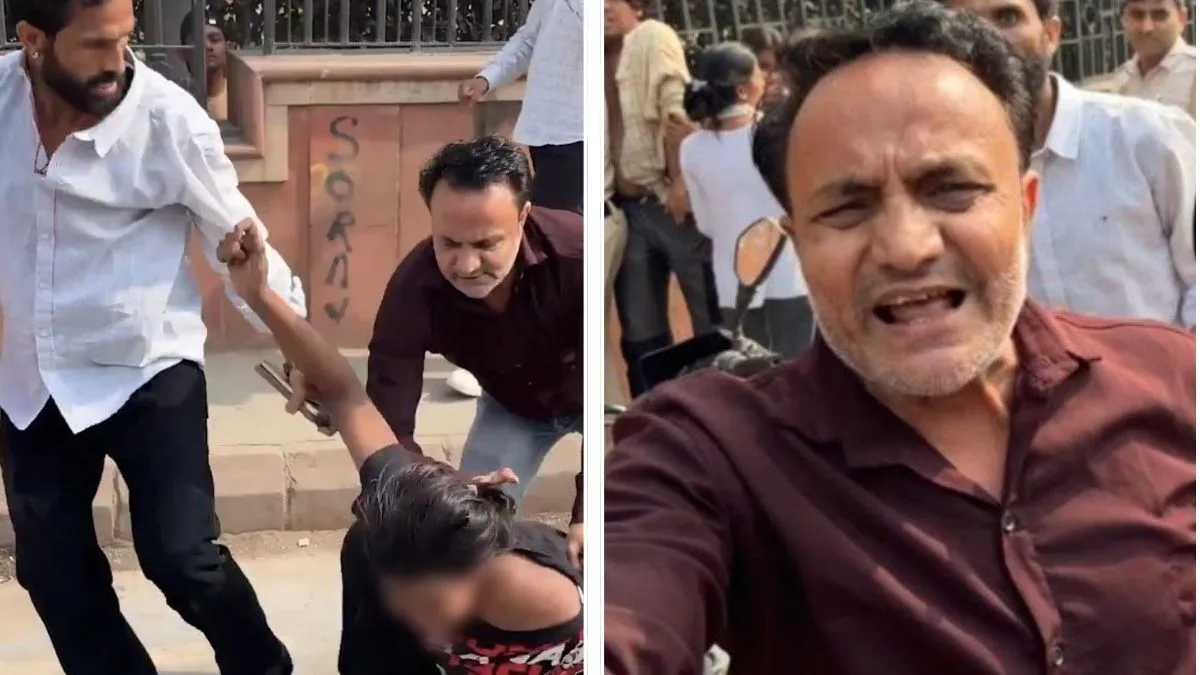
At least 13 Muslims, including two women, a 15-year-old boy and a 65-year-old man, were killed in religiously motivated hate crimes by Hindu extremist non-state actors across eight Indian states between January and April 2026, according to data released by the India Persecution Tracker (IPT).
The tracker, maintained by the South Asia Justice Campaign, also recorded one suicide linked to the violence. The wife of a lynching victim allegedly took her own life after the attack.
Bihar Recorded Highest Number of Deaths
According to the report, Bihar witnessed the highest number of fatalities, with four killings and one related suicide. Jharkhand and Uttar Pradesh followed in the list.
The report stated that communal mob violence targeting Muslims was documented in at least 12 states during the first four months of the year, while hate crimes and intimidation incidents were reported across 18 states.
The tracker noted that Christian communities also faced an increase in hostility during the same period.
Four Muslims Allegedly Killed by State Actors
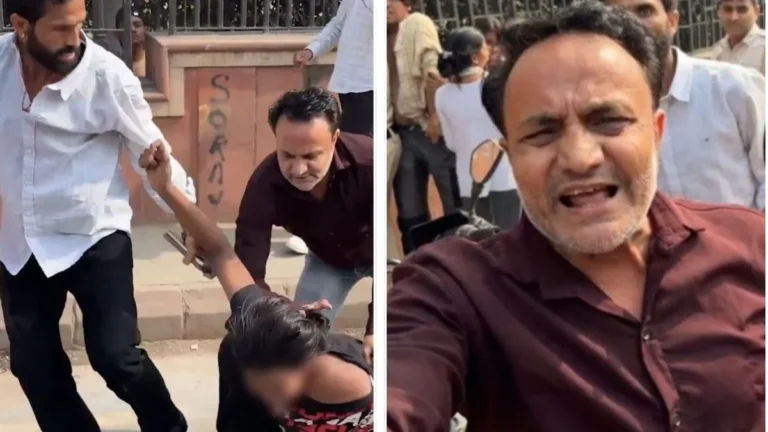
IPT also documented the deaths of at least four Muslims in incidents involving state actors, including police and armed forces.
Among them were two Muslim brothers killed in separate police “encounters” in Uttar Pradesh within 48 hours of each other. The report said the killings came shortly after Chief Minister Yogi Adityanath publicly called for “strict action” in the case connected to their pursuit.
In Jammu and Kashmir, a Muslim man was reportedly killed by the Indian Army in what the tracker described as a disputed encounter. In Delhi, another Muslim man died in police custody amid allegations of torture.
Arrests Over Religious Practices
The report claimed that the “criminalisation of peaceful manifestations of Muslim faith” continued during the review period.
According to IPT, more than 40 Muslims were arrested for acts linked to Ramadan and other religious practices.
In one incident in Uttar Pradesh’s Mohammadganj village, 12 Muslim men were arrested for offering Friday prayers inside a vacant house after a video circulated on social media.
During Ramadan, 14 Muslim youths were arrested after they broke their fast on a boat in the Ganga river. A BJP leader had accused them of consuming chicken biryani and throwing leftovers into the river.
Voter Roll Purge and Hate Speech Allegations
The tracker alleged that over 56 million voters were removed from electoral rolls across 13 states under the Special Intensive Revision (SIR) exercise, with Muslims disproportionately affected.
It claimed that Muslims accounted for 34 percent of deletions in West Bengal despite forming 27 percent of the state’s population. In some constituencies, the exclusion rate allegedly reached 95 percent.
The report also highlighted speeches made by senior BJP leaders, alleging a rise in anti-Muslim rhetoric during the 2026 election period.
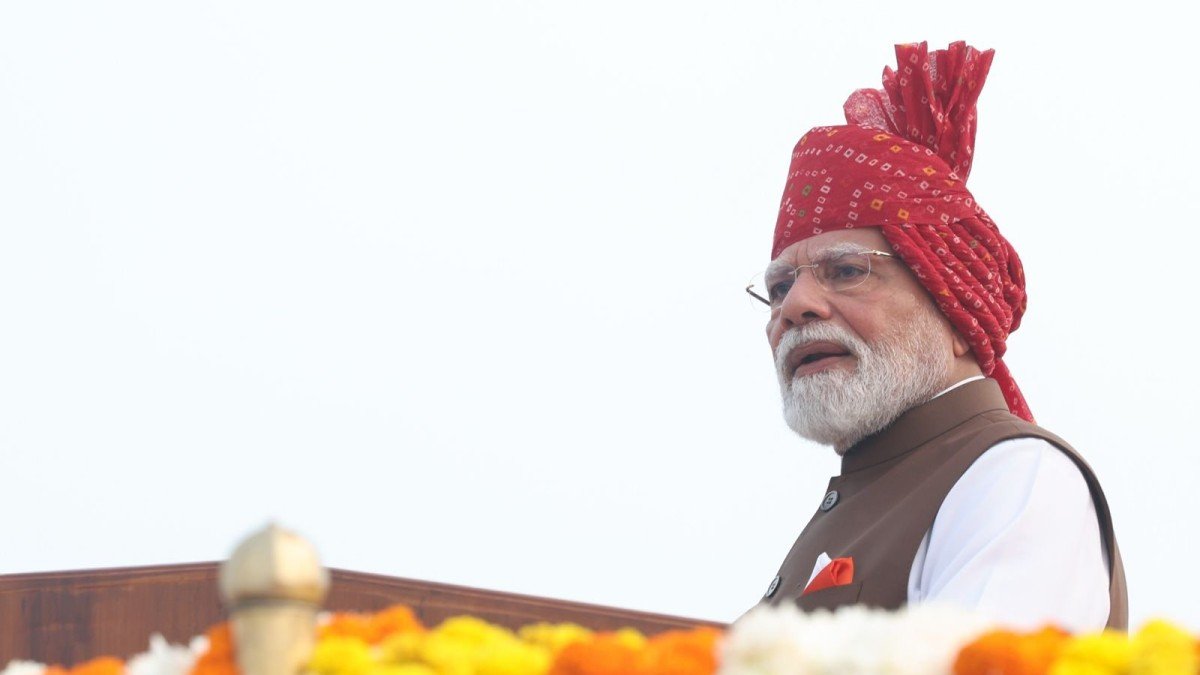
According to IPT, Prime Minister Narendra Modi used the term “ghuspaithiya” (infiltrator) in multiple speeches between January and February 2026 during election rallies and parliamentary addresses.
The report further alleged that Assam Chief Minister Himanta Biswa Sarma openly stated that the voter revision exercise “targets only Bengali-speaking Muslims.”
Concerns Raised by International Bodies
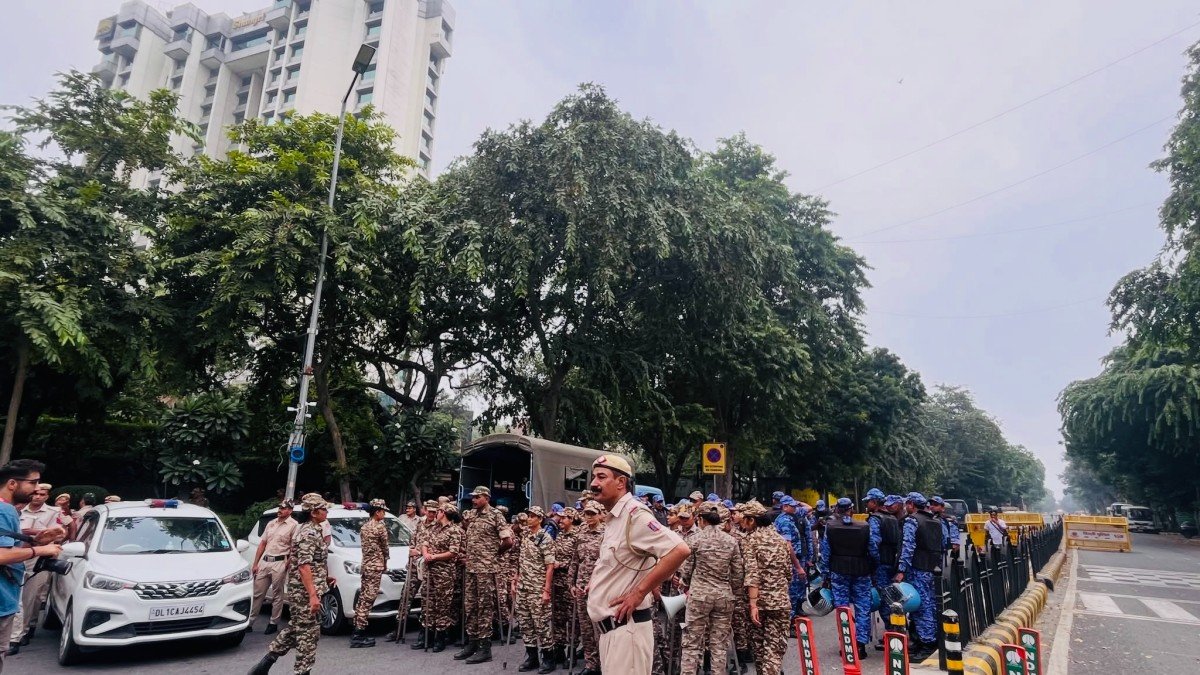
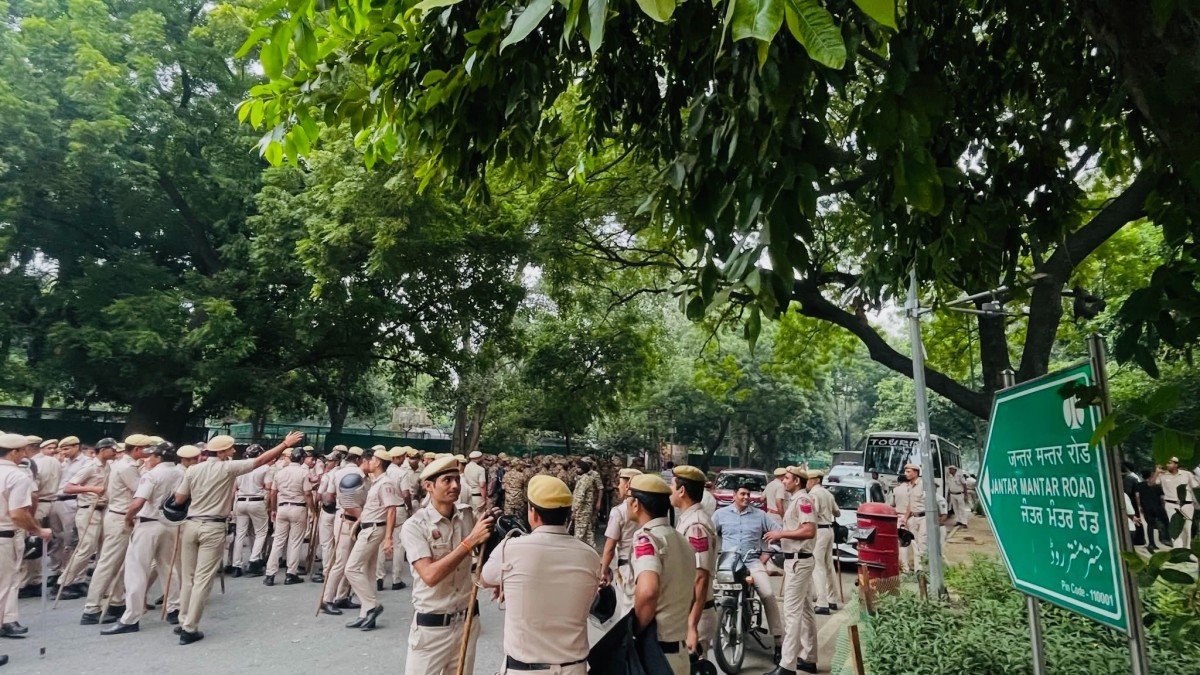
The tracker cited statements issued by several international organisations and UN experts expressing concern over alleged policing failures, encounter killings and discrimination against minorities in India.
It referred to observations by UN Special Rapporteurs who warned of a “pervasive pattern” of excessive force by police, particularly affecting Muslims, Dalits and Adivasis in states such as Uttar Pradesh and Assam.
The report also mentioned that Manipur witnessed renewed inter-ethnic violence during the period, resulting in at least 15 deaths, including two children.
“Muslim victims repeatedly encountered a system in which the police station functioned not as a gateway to justice but as a barrier to it,” the tracker stated, alleging that in several cases FIRs either omitted key offences or were filed against victims themselves.