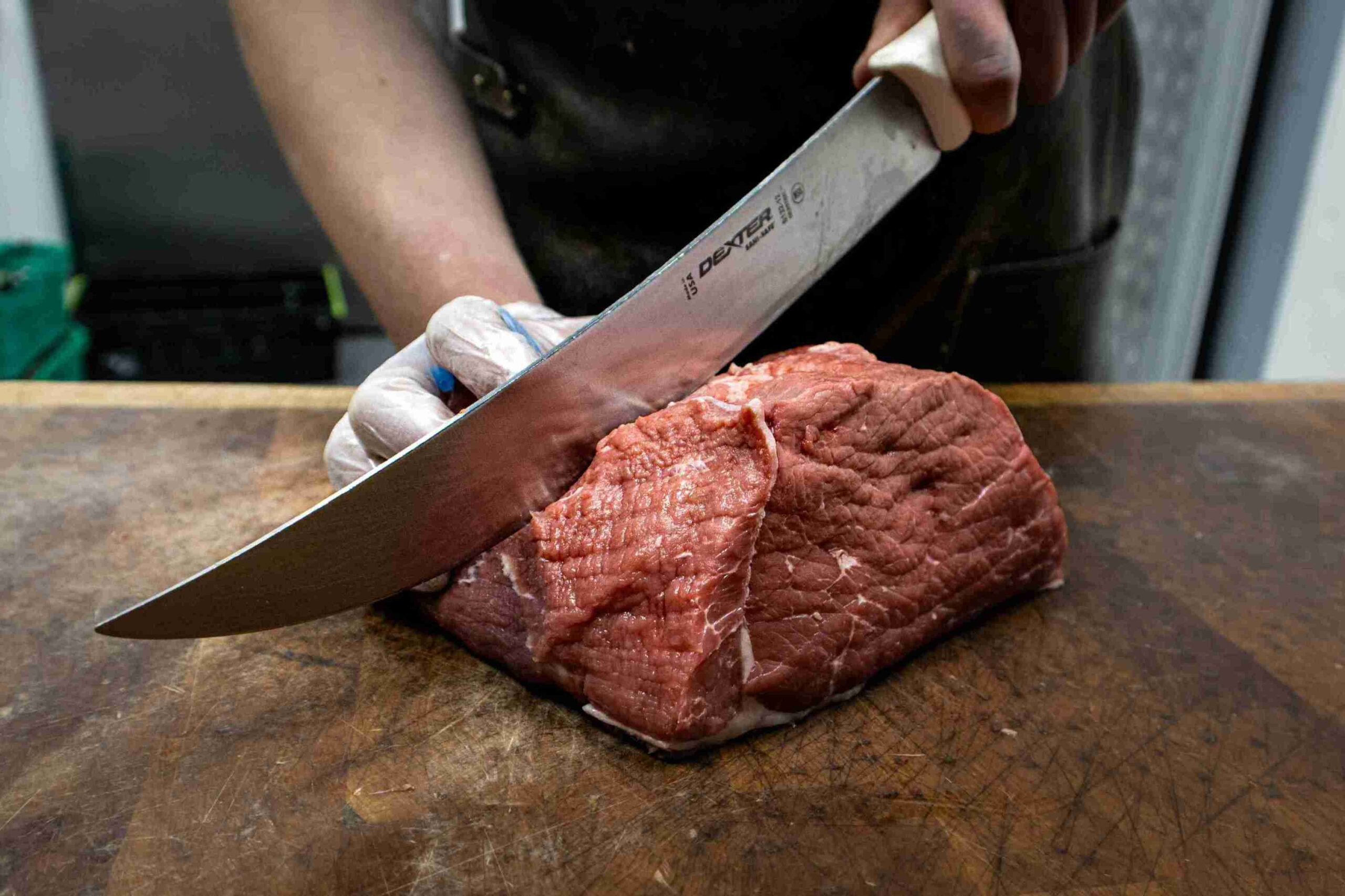
Bihar Deputy Chief Minister Vijay Kumar Sinha announced on Sunday that the state government will prohibit the open sale of meat and fish near educational institutions, religious sites, and crowded public areas. The move, he said, aims to maintain public health, social harmony, and prevent “violent tendencies” among children.
Ban Targets Hygiene and Social Harmony
Speaking to reporters, Sinha said that the decision is not about restricting anyone’s dietary choices but about ensuring cleanliness and respecting public sentiments. “We have no objection to anyone’s food habits. However, social harmony must not be disturbed, and the sanctity of the environment must be maintained. Open sales of meat and fish near schools or crowded areas affect public health and disturb sentiments,” he said.
The ban follows consultations within the Urban Development Department and discussions with intellectuals during public outreach programmes, including the Jankalyan Samvad. Sinha said the government took feedback seriously before issuing the new rules.
Licensed Shops Only
Under the Bihar Municipal Act, 2007, Section 345, meat sellers must obtain a licence from the Chief Municipal Officer. “We have instructed municipal authorities to ensure that meat and fish are sold only through licensed shops. Open-air sales on roadsides or public spaces will not be allowed. Violations will attract strict action, including fines and seizure of goods,” Sinha added.
Licensed establishments will also be required to use curtains or glass panels to prevent meat from being visible to passersby, following guidelines similar to other states with restrictions near religious places.
Public Health and Urban Order
Sinha highlighted that the decision was also based on complaints received during his visit to Darbhanga, where residents had expressed concerns about unhygienic roadside meat sales causing congestion, foul smells, and filth.
“This regulation is about health, cleanliness, and urban order. Meat will no longer be sold on open roads. Everyone must follow the rules, and authorities have been instructed to monitor compliance strictly,” he said.
The Deputy Chief Minister also linked the ban to broader government initiatives under the “Saat Nischay-3” programme, which aims to improve urban living and ensure dignity and safety for pedestrians.
No Ban on Consumption
Sinha stressed that the government is not banning the consumption of meat or fish, only regulating its public sale. “Those holding licences must operate within the rules. Public health, safety, and social harmony come first,” he said.