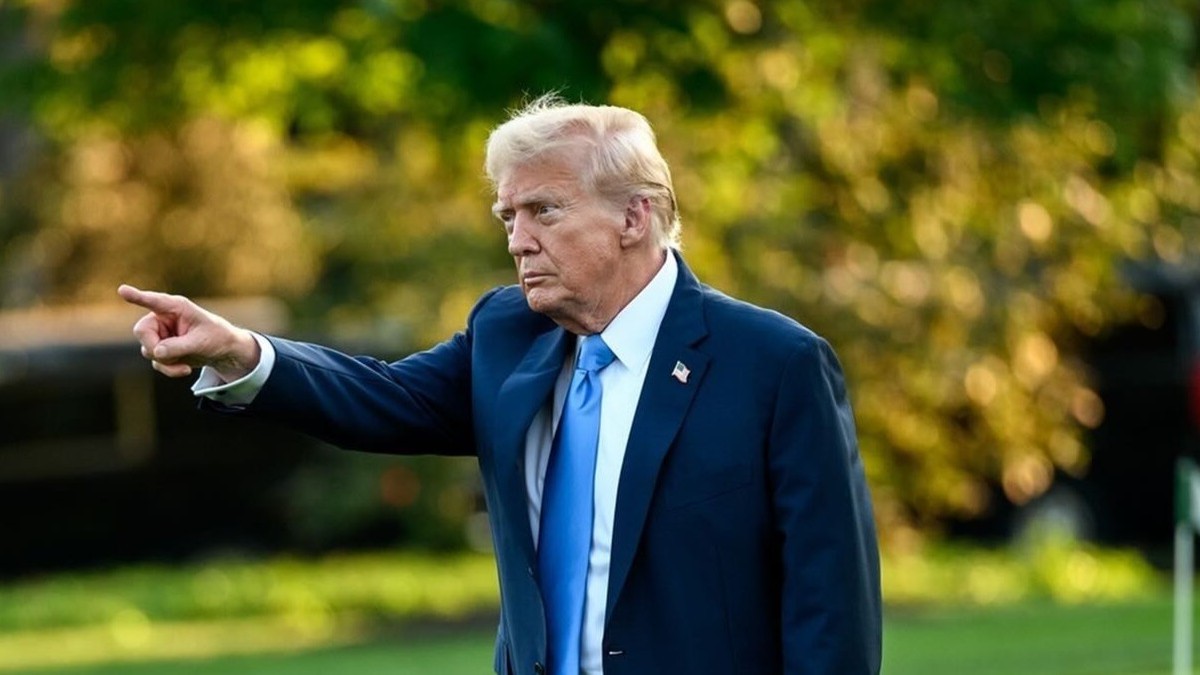
US President Donald Trump has indicated that talks with Iran could resume in Pakistan within the next two days, following an initial round of negotiations that ended without an agreement.
Speaking to the New York Post, Trump said there is a growing possibility that discussions may return to Islamabad. “Something could be happening over the next two days, and we’re more inclined to go there,” he said during a phone interview.
He also praised Pakistan’s army chief Asim Munir, calling him “fantastic” and saying he is doing a “great job” in facilitating the talks.
First Round Ends Without Breakthrough
The first round of high-level talks between the United States and Iran took place over the weekend but failed to produce a deal. These negotiations are part of efforts to end the ongoing conflict that began on February 28 following US and Israeli strikes on Iran.
Despite the lack of a breakthrough, officials say the talks are part of a continuing diplomatic process rather than a one-time effort.
US Vice President JD Vance said there had been “some good signs” during discussions, but added that Iran had not gone far enough to meet US expectations.
US Stance on Iran’s Nuclear Programme
Trump reiterated that any agreement must ensure Iran does not possess nuclear weapons. The US has insisted that Iran remove enriched nuclear material and accept verification mechanisms to prevent nuclear development.
Officials say this remains a key sticking point in negotiations.
Tensions Rise Over Strait of Hormuz
The conflict has significantly impacted global energy supply, especially after Iran restricted access to the Strait of Hormuz, a crucial route for global oil shipments.
In response, the US has imposed a blockade on Iranian ports, further escalating tensions. Iran has warned of retaliation, including threats against naval vessels and regional ports.
The situation has raised concerns globally, as nearly one-fifth of the world’s oil supply previously passed through this route.
Global Reactions and Energy Concerns
Several US allies, including France and the United Kingdom, have chosen not to participate in the blockade, though they have offered support for securing maritime routes in the future.
Meanwhile, China has criticised the US move, calling it “dangerous and irresponsible.”
Energy experts warn that the conflict and disruptions in oil supply could have serious economic consequences worldwide, with forecasts pointing to a sharp drop in demand similar to levels seen during the COVID-19 pandemic.
Ceasefire Holds Amid Uncertainty
A fragile ceasefire between the US, Israel, and Iran is currently in place and has largely held for a week, despite strong rhetoric from all sides.
Trump said Iran has shown interest in reaching a deal, but warned that any violation near US enforced blockades would be met with strong action.