The newly formed government of Nepal has decided to issue a formal apology to Dalit and historically marginalised communities for decades of discrimination and exclusion.
Prime Minister Balendra Shah, popularly known as Balen Shah, took oath on March 27 and made the announcement as part of a 100-point Governance Reform Agenda approved in the Cabinet’s first meeting.
Government to Acknowledge Historical Injustice
According to the official plan, the state will recognise the injustices faced by Dalits due to long-standing social practices and state policies.
“The government will formally apologise on behalf of the state within 15 days and announce programmes focused on justice, equality, and socio-economic upliftment,” the agenda states.
This move is being seen as one of the most significant steps by any Nepali government to address caste-based discrimination.

Deep Roots of Caste Discrimination
Nepal has a long history of caste hierarchy linked to the traditional Hindu social order. The Muluki Ain of 1854 had legally enforced caste divisions and treated Dalits as “untouchables.”
Although untouchability was abolished in 1963 and equality was guaranteed in later constitutions, discrimination continues in practice. Dalits, who make up around 13% of the population, still face barriers in education, jobs, and access to public resources.
Reports by global organisations have repeatedly highlighted these inequalities.
Balen Shah’s Rise to Power
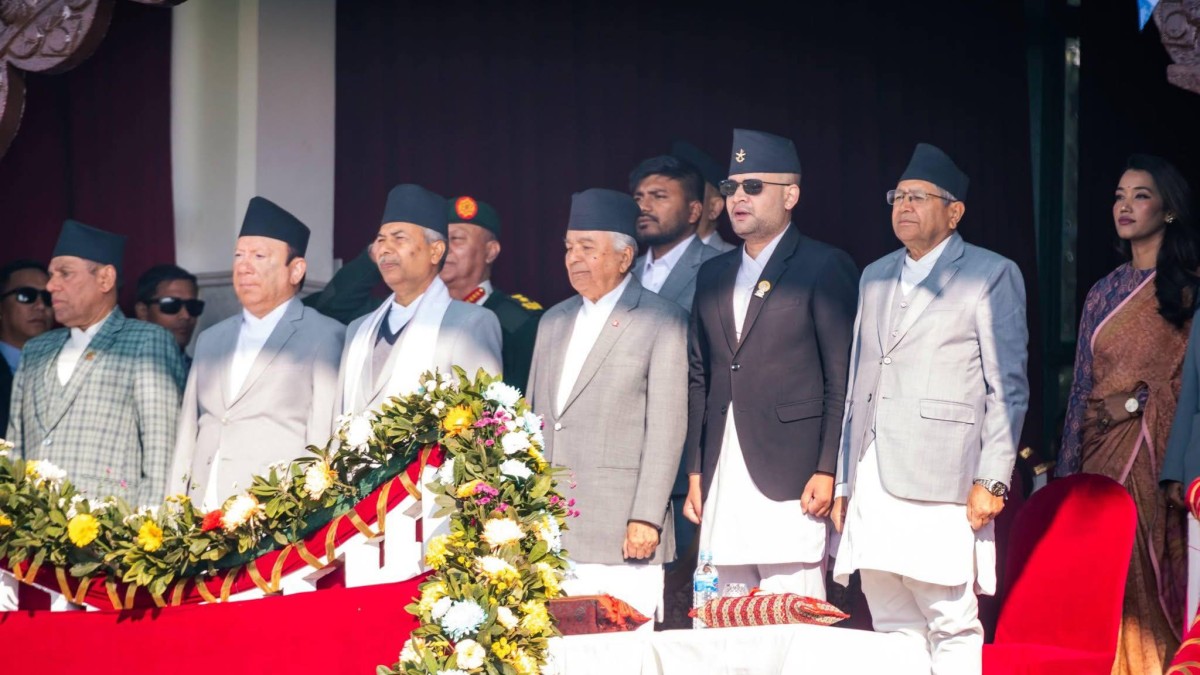
Shah became Nepal’s 47th Prime Minister after being appointed by President Ram Chandra Paudel. His rise reflects a shift in public mood, especially among younger voters demanding change.
His leadership comes after major protests in 2025, led largely by young people, against corruption and poor governance. The protests resulted in the fall of the previous government and fresh elections.

A former rapper and engineer, Shah is considered one of the youngest leaders to hold the post and represents a new political wave in the country.
100-Point Reform Plan Focuses on Governance and Justice
The government’s 100-point agenda includes reforms in administration, anti-corruption measures, digital governance, economic policy, and public services.
The inclusion of an apology to Dalits highlights the government’s focus on social justice along with governance reforms.
Dalit leaders and activists have welcomed the decision. Many, however, stressed that the real impact will depend on how effectively the promised reforms are implemented.
Next Steps and Expectations
The government has set a 15-day deadline to issue the formal apology and announce detailed programmes for upliftment and inclusion.
Observers say the move could mark a new phase in Nepal’s efforts to build a more equal and inclusive society.