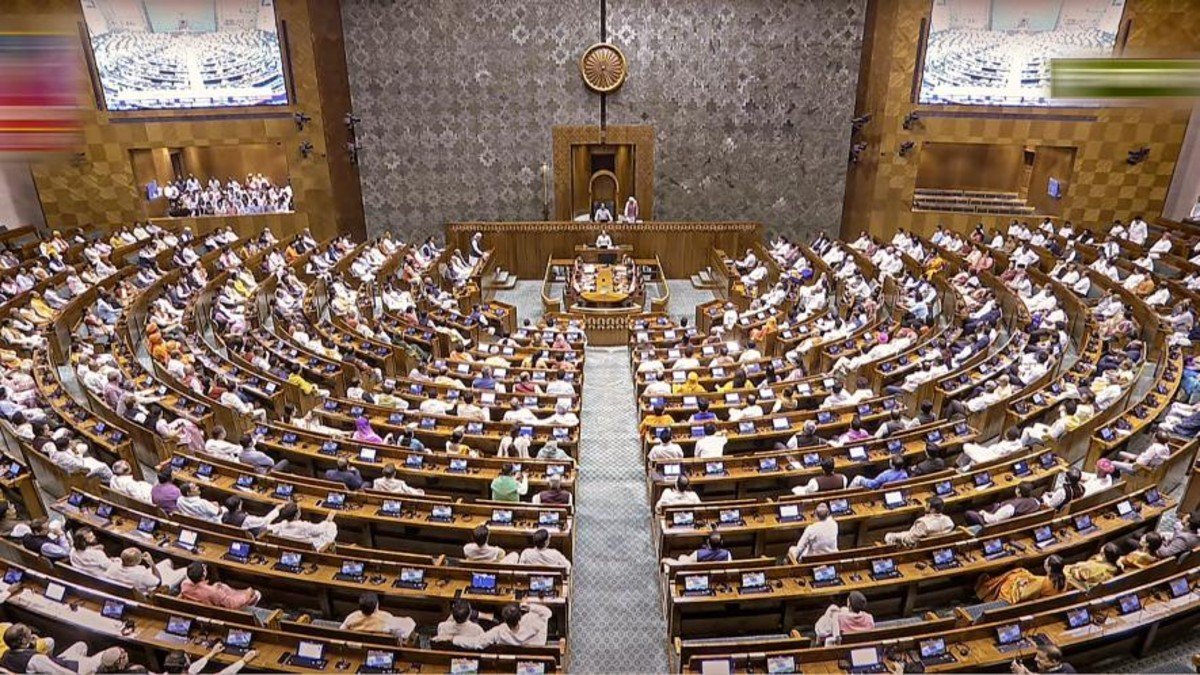
The Lok Sabha on Friday rejected the Constitution (131st Amendment) Bill, which aimed to fast-track women’s reservation in legislatures and enable delimitation without a fresh Census. The proposal failed to secure the required two-thirds majority, marking a significant setback for the government.
In the division of votes, 298 Members of Parliament supported the bill, while 230 voted against it. Although a majority backed the proposal, it fell short of the constitutional threshold needed for passage. A total of 489 MPs participated in the voting process.
What the Bill Sought to Change
The bill was designed to speed up the implementation of the Women’s Reservation Act, which provides 33 per cent reservation for women in the Lok Sabha and state assemblies. It also proposed expanding the strength of the Lok Sabha from 543 to around 850 seats to operationalise the quota system.
A key and controversial part of the proposal was allowing delimitation—the redrawing of constituency boundaries—to be carried out based on the 2011 Census instead of a fresh population count. The government argued this would help implement women’s reservation sooner, while the opposition strongly objected.
Heated Debate in Lok Sabha
The Parliament witnessed intense exchanges during the debate. Leader of Opposition Rahul Gandhi accused the government of using the bill to reshape India’s electoral map. He said the move was “nothing short of an anti-national act,” alleging that it could reduce representation for southern, northeastern, and smaller states.
Prime Minister Narendra Modi and Home Minister Amit Shah defended the proposal, assuring the House that no state would lose representation. Amit Shah said delimitation would correct the imbalance in voter-to-MP ratios, while Modi claimed that southern states would actually see an increase in seats after the exercise.
Union Law Minister Arjun Ram Meghwal also supported the bill, stating that the total number of Lok Sabha seats would rise and that women, including those from SC and ST communities, would benefit from reserved representation.
Opposition Raises Federal Concerns
Opposition parties opposed the bill mainly over delimitation concerns. They argued that linking women’s reservation to redrawing constituencies could lead to political imbalance between northern and southern states.
Congress leader Priyanka Gandhi Vadra questioned why women’s reservation could not be implemented within the existing 543 seats. Samajwadi Party chief Akhilesh Yadav also demanded that reservation provisions include OBC and Muslim women.
Government Assurances vs Political Divide
The government maintained that no discrimination would occur and that representation of any state would not decrease. It also argued that expanding the House was necessary for fair implementation of women’s reservation.
However, opposition parties continued to claim that the bill masked a larger political agenda related to electoral redistribution.
Bill Withdrawn After Defeat
After the voting, Union Minister Kiren Rijiju withdrew the bill from the Lok Sabha. The House was subsequently adjourned till the next session.
The development comes during a special three-day parliamentary sitting focused on women’s reservation and delimitation reforms, which remain politically sensitive issues with wide-ranging implications for India’s federal structure and electoral system.