The Madhya Pradesh High Court has directed the Archaeological Survey of India (ASI) to upload and share the full videography of its survey of the Bhojshala complex in Dhar district with all parties involved in the case. The court said the footage must be made available through a secure digital platform by April 27.
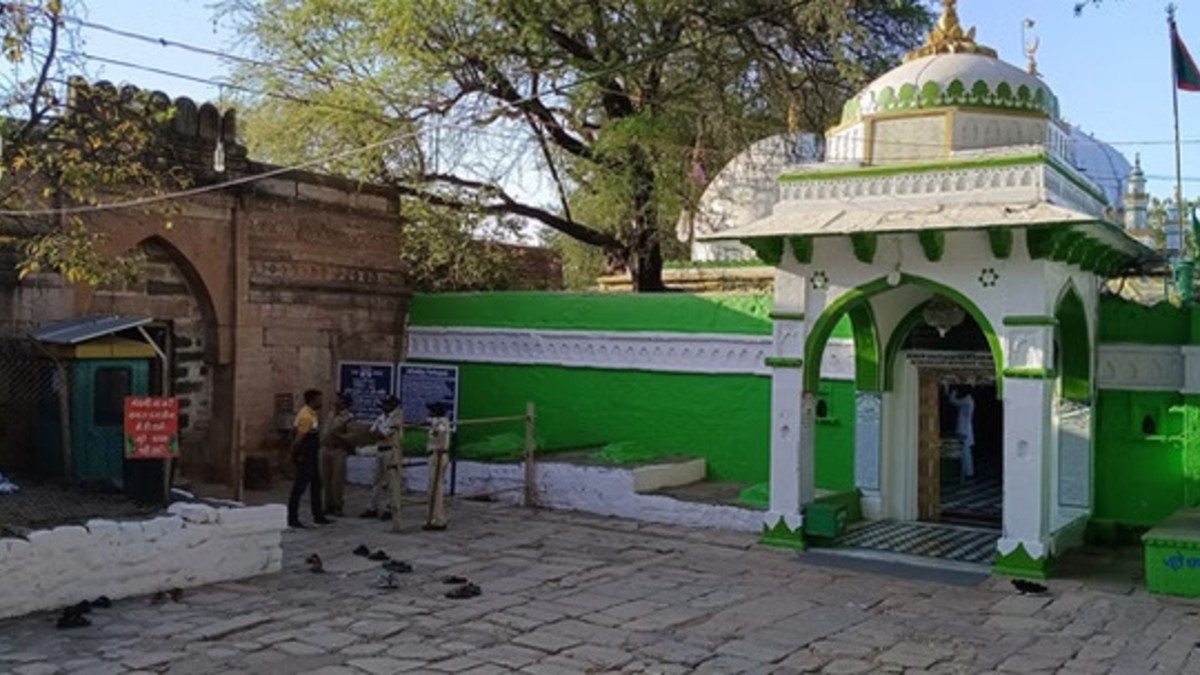
The order came during the hearing of multiple petitions related to the religious nature of the disputed site, which is claimed as a temple by Hindus and as the Kamal Maula mosque by Muslims.
Court stresses access to evidence
The bench made it clear that all litigants must have access to the survey material to properly present their case. Senior advocate Salman Khurshid, appearing for the Maulana Kamaluddin Welfare Society, argued that the videography could help identify gaps or issues in the ASI’s findings.
“Objections to the ASI survey report could arise from the videographic record, and hence the respondent must have access to it,” he told the court.
The ASI opposed the request, saying the survey footage spans 96 days and would be difficult to share due to its size. However, the court rejected this argument and insisted that logistical issues cannot override the need for transparency.

The judges also noted earlier directions of the Supreme Court of India, which had said that objections based on the survey should be properly considered.
Dispute over Bhojshala’s identity
The Bhojshala complex has long been at the centre of a religious dispute. Hindu groups claim it is an ancient temple dedicated to Goddess Saraswati, also known as Vagdevi. Muslim groups, however, maintain that it is a mosque known as Kamal Maula.
The ASI’s report has stated that the current structure was built using remains of a temple from the Parmar era, adding another layer to the ongoing legal battle.
Arguments from both sides
During the hearing, lawyers representing interveners argued that the case should not be handled through a writ petition in the High Court. Advocate Ashhar Warsi said the matter involves disputed ownership and should instead be decided through a civil trial or by a Waqf tribunal.
He also presented historical land records, claiming that the site has been recorded as a mosque since 1925–26. Referring to legal provisions under the Waqf Act 1996, he argued that the time limit for challenging such records has already passed.
Warsi also disputed claims that the structure has features of a Hindu temple. “Essential elements like garbha griha and shikhara are absent, while features like mihrab and qibla alignment clearly indicate a mosque,” he told the court.
He further cited official documents suggesting that the idol of Vagdevi currently housed in a museum did not originate from the Bhojshala site.