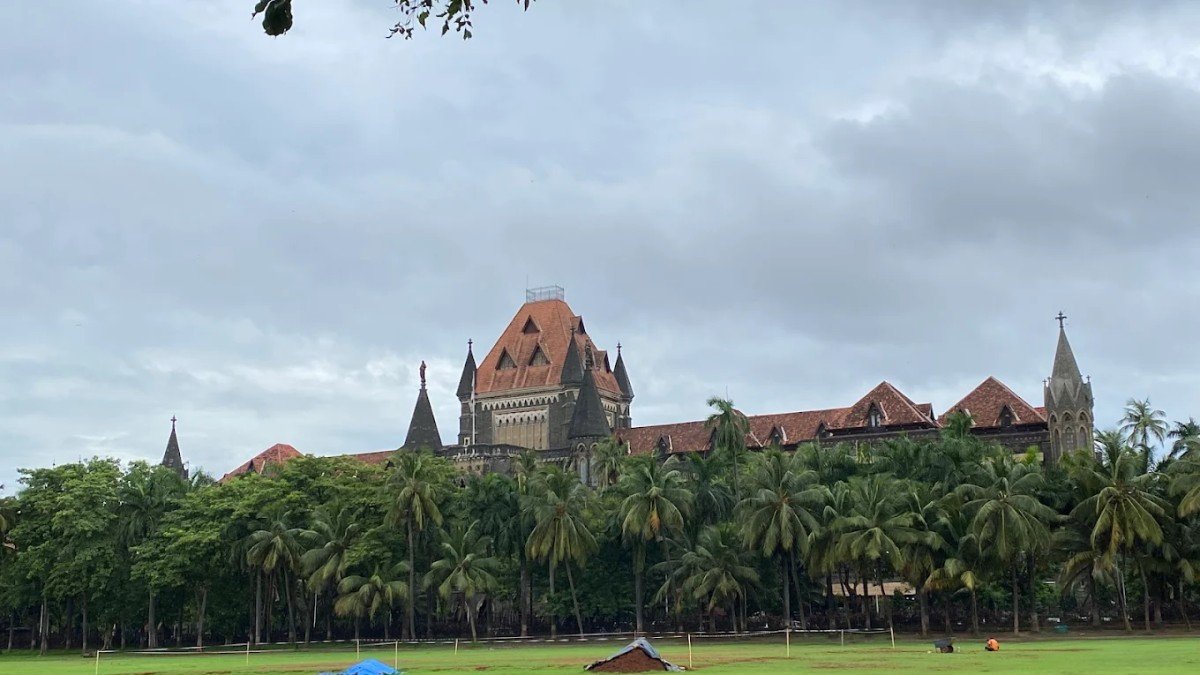
Nearly two decades after the 2006 Malegaon blasts that killed 37 people and injured over 100, the Bombay High Court on Wednesday discharged all four accused, bringing the trial against them to an end for now.
A bench led by Chief Justice Shree Chandrashekhar and Justice Shyam Chandak quashed a 2025 special court order that had framed charges against the accused Lokesh Sharma, Dhan Singh, Rajendra Choudhary, and Manohar Narwaria.
The ruling came on appeals filed by the accused, effectively halting the prosecution initiated by the National Investigation Agency (NIA).
Court flags serious gaps in investigation
During the hearing, the defence argued that the case lacked credible evidence linking the accused to the blasts. They pointed out that there were no eyewitnesses, no recoveries of incriminating material, and no strong forensic proof.
Significantly, the NIA itself told the court that there were no eyewitnesses in the case.

The defence also questioned the reliability of a Test Identification Parade conducted more than six years after the incident. “Such delays raise serious doubts about the credibility of witness accounts,” the defence argued.
Further, they highlighted that soil samples from a site in Madhya Pradesh—where explosives were allegedly prepared—did not contain traces of RDX, weakening the prosecution’s claims.
Case history and shifting investigations
The blasts took place on September 8, 2006, at a Muslim cemetery in Malegaon in Maharashtra’s Nashik district during a religious gathering.
Initially, the probe was handled by the Maharashtra Anti-Terrorism Squad, which arrested several Muslim men. In 2012, a special court granted them bail.
The investigation was later transferred to the Central Bureau of Investigation (CBI), which supported the earlier findings. Years later, the case was handed over to the NIA, which introduced a new theory and arrested the four accused who have now been discharged.
Defence questions prosecution’s case
The defence also referred to earlier developments, including the rejection of certain confessional statements by a special court, arguing that the prosecution’s case had weakened over time.
They further challenged the manner in which charges were framed by the trial court and questioned the discharge of other co-accused in related proceedings.
Families left without closure
With the High Court’s decision, there are currently no accused facing trial in one of Maharashtra’s deadliest terror attacks. For the families of the victims, the verdict has renewed concerns about justice.
The case, which has seen multiple investigating agencies and shifting theories over the years, now stands at a standstill unless further legal steps are taken.
As the detailed order is awaited, the ruling raises fresh questions about the handling of long-pending terror cases and the challenges in securing convictions without strong evidence.