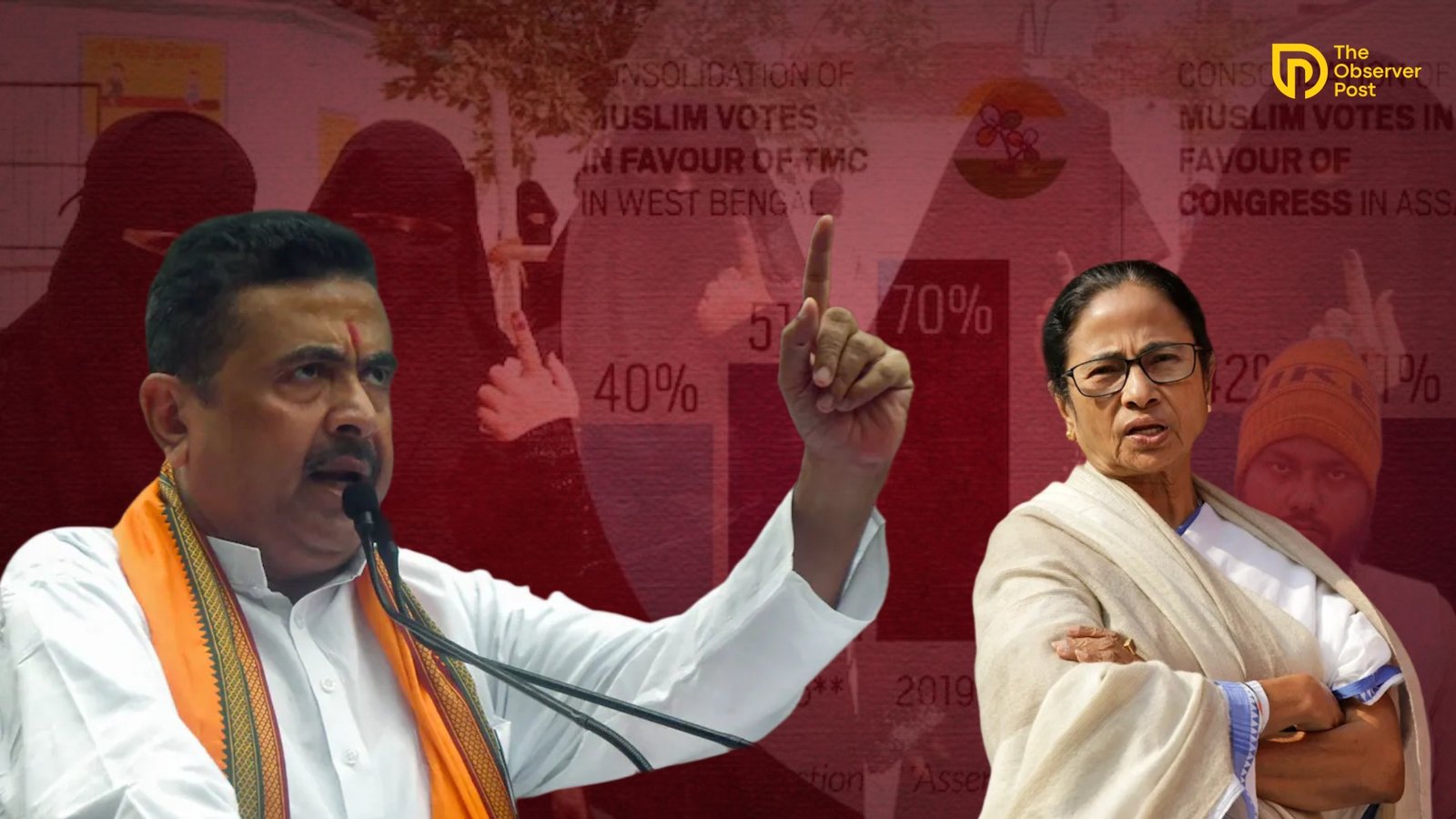
In the recent elections in West Bengal, the Bharatiya Janata Party secured nearly 45.84% of the vote share, while the All India Trinamool Congress received around 40.80%. Allegations regarding EVM manipulation, voter intimidation, removal of AITC polling agents, violence, and the politically motivated use of central forces under the leadership of Amit Shah dominated post-election discussions. Concerns raised by leaders, including Abhishek Banerjee, may hold merit, but limiting the conversation to electoral malpractice risks overlooking a much deeper political and social transformation underway in Bengal.
The uncomfortable reality is this: large sections of the electorate are consciously embracing majoritarian politics. Videos circulating online show young voters openly declaring that they did not support the BJP for jobs, governance, or development, but because they wanted a government that would aggressively target and marginalise Muslims. This cannot simply be dismissed as fringe rhetoric. It reflects a wider normalization of hatred that has steadily entered mainstream political consciousness.
What makes the result even more revealing is the voting pattern itself. Muslims constituting around 27% of West Bengal’s population, the TMC still managed to secure only around 40% of the vote share, even though a substantial majority of Muslims voted strategically for them to stop the BJP. The TMC effectively required support from the Hindu majority to remain politically secure, yet failed to retain that trust. On the other hand, the BJP’s rise was built upon a massive consolidation of Hindu votes who want a bulldozer over peace, showing how deeply communal polarisation has reshaped Bengal’s electoral landscape.
Even if, for the sake of argument, we assume that around 15% of the TMC’s votes came from Muslims and the remaining 25% from Hindus, while the BJP secured nearly 45% largely through Hindu consolidation, it still points toward what a significant section of the Hindu majority increasingly wants politically in the state. The figures are only rough estimations, not exact calculations, but they reflect a broader social reality.
What makes this even more striking is that the TMC itself attempted to project a Hindu-friendly image, although, in reality, it already is one, considering that the top leadership of almost every so-called secular party in India is overwhelmingly Hindu. Yet the BJP continues to portray such parties as anti-Hindu simply because they do not fully align with majoritarian politics. Despite Mamata Banerjee being a Brahmin herself, it did not stop the BJP from repeatedly portraying her as “Muslim” and vilifying her as anti-Hindu. Yet even that proved insufficient against the BJP’s stronger communal mobilisation, as increasing numbers of people appeared willing to embrace and vote for anti-Muslim politics and their blood over questions of development, employment, and governance.
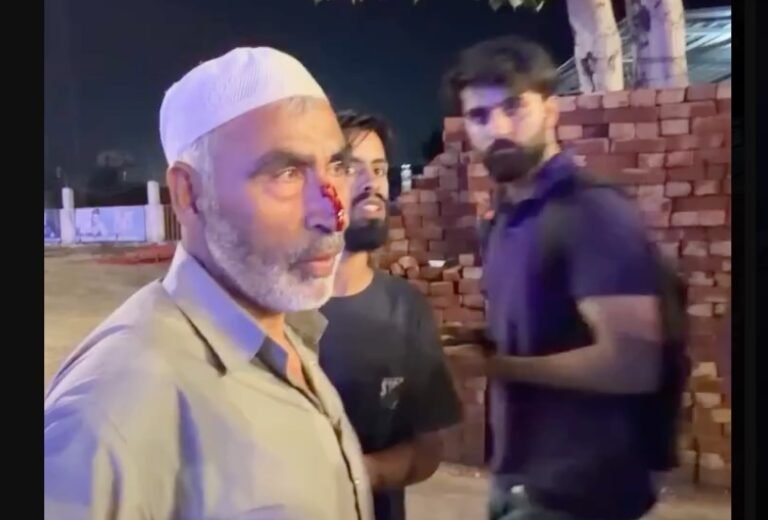
Out of the seats won by the TMC, a significant number came from Muslim-majority constituencies, once again underlining the extent to which Muslims consolidated behind the party despite growing frustration and disappointment. Yet instead of serious introspection about why sections of the majority community are increasingly embracing exclusionary politics, sections of the opposition often shift blame elsewhere or avoid confronting the ideological roots of this transformation.
This is the deeper crisis facing Bengal and India today. The rise of majoritarian politics is not occurring in isolation; it is the product of years of polarization, normalization of anti-Muslim rhetoric, media propaganda, and the inability, or unwillingness, of so-called secular parties to consistently challenge communal narratives. Their silence, compromises, and selective outrage have weakened public resistance to hate politics while continuing to rely heavily on Muslim voters as a dependable electoral bloc.
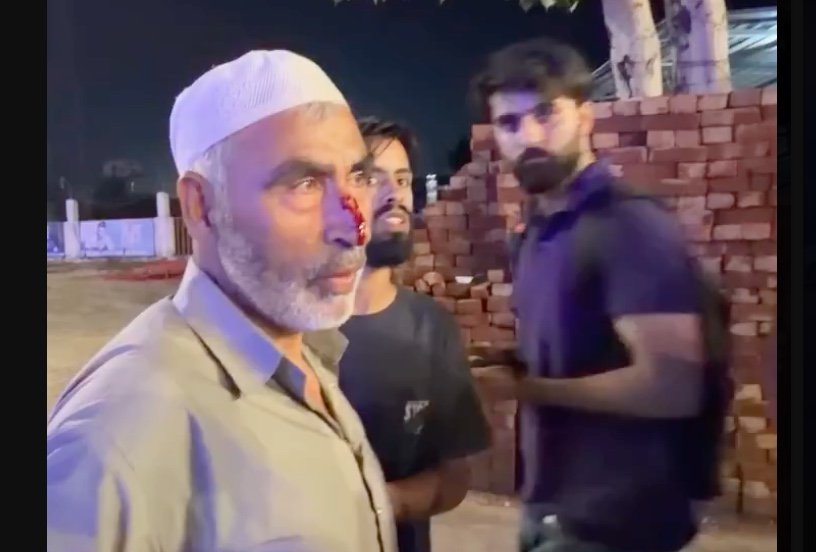
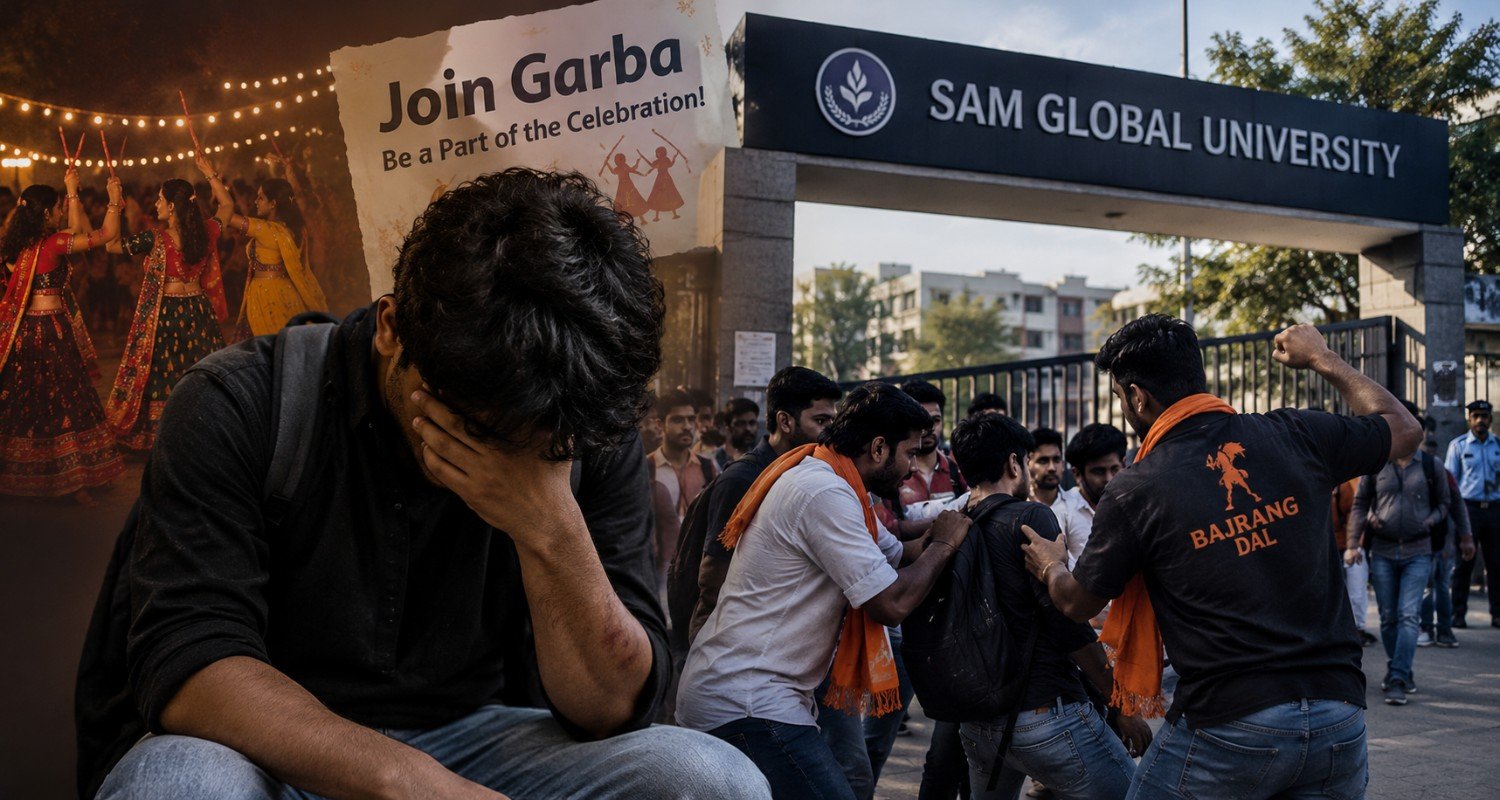
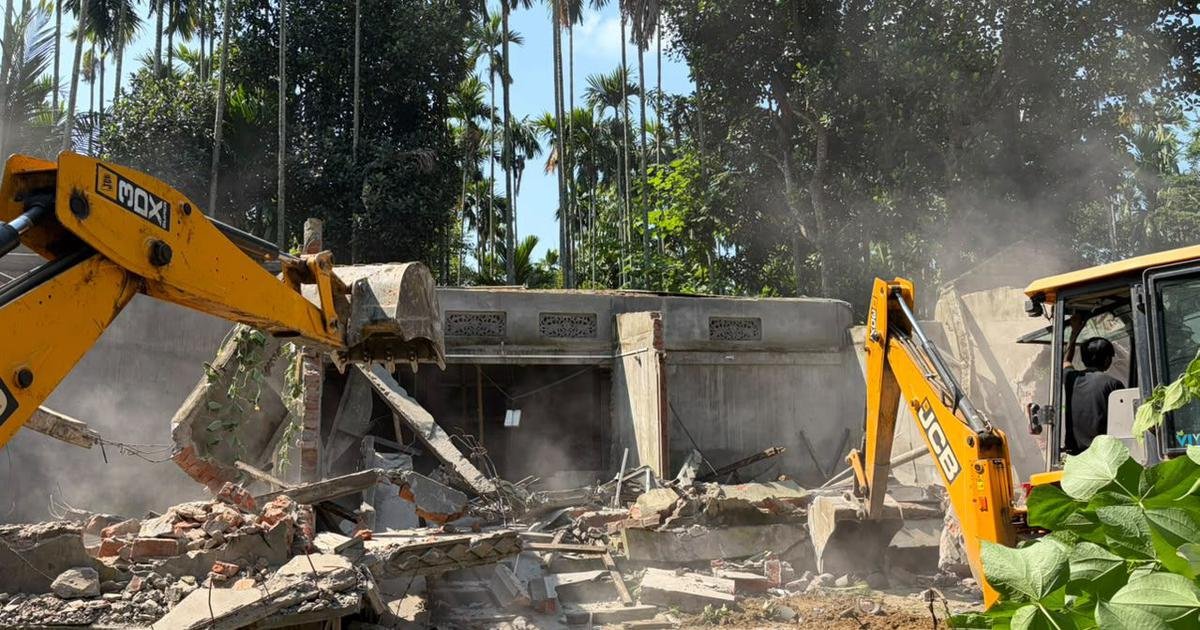
The consequences of this polarization are now visible beyond the ballot box. In the aftermath of the elections in Bengal, reports and visuals of attacks targeting Muslim homes, shops, and neighbourhoods have emerged from different parts of Bengal. Such hostility does not appear overnight; it is cultivated over years through propaganda, communal mobilisation, and the normalization of anti-Muslim hatred in public discourse. The election victory merely gave political confidence and legitimacy to sentiments that already existed beneath the surface.
What is perhaps most alarming is that this support for majoritarian politics cuts across class and geography. It is not limited to one section of society. From sections of the educated urban elite in Kolkata to marginalised populations in distant districts like Bankura, Hindutva identity increasingly appears to outweigh concerns around development, employment, education, or welfare. For many voters, the symbolic humiliation and exclusion of Muslims has become more rewarding than material governance itself.
This trend is also reflected in the voting patterns among the Scheduled Caste and the Scheduled Tribe communities. The BJP’s overwhelming victory in SC/ST reserved constituencies, winning 67 out of 84 such seats, including 51 of 68 SC seats and sweeping all 16 ST constituencies across Bengal, indicates a deep and broad consolidation of support. This election revealed how successfully communal polarisation has transcended earlier political and social divides.
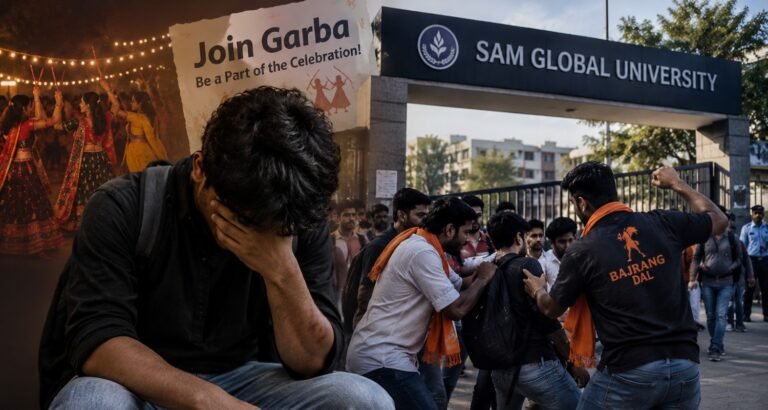
The repeated explanation that these communities are merely being “misguided” in the name of religion is becoming increasingly insufficient to understand the scale of this political shift. Electoral choices have real consequences, especially when communal mobilisation contributes to violence, fear, and the targeting of Muslim lives and properties. There is a pressing need for greater political introspection and social responsibility among leadership within these communities as well, rather than treating communal polarisation solely as the manipulation of passive voters.
The real issue is no longer merely the danger of electoral defeat, but the social reality unfolding beneath it, where prejudice is becoming politically rewarding, where calls for exclusion are normalised, and where democracy increasingly risks being reduced to the tyranny of majoritarian sentiment. Reversing this trajectory will require more than electoral alliances or rhetorical secularism; it demands moral clarity, political courage, and genuine accountability from those who claim to stand against communalism.
For Muslims, politics is no longer experienced as a debate over development, education, employment, or better governance. It is increasingly experienced as a question of survival itself. While elections for others may revolve around aspirations and opportunity, for Muslims, they increasingly feel like a choice between dignity and humiliation, safety and fear, life and death. And perhaps the most painful reality is that, despite this growing insecurity, Muslims increasingly find themselves with little political power to meaningfully resist or alter the direction in which this majoritarian transformation is unfolding.
The views expressed in this article are the author’s own and do not necessarily reflect the policy of the platform.