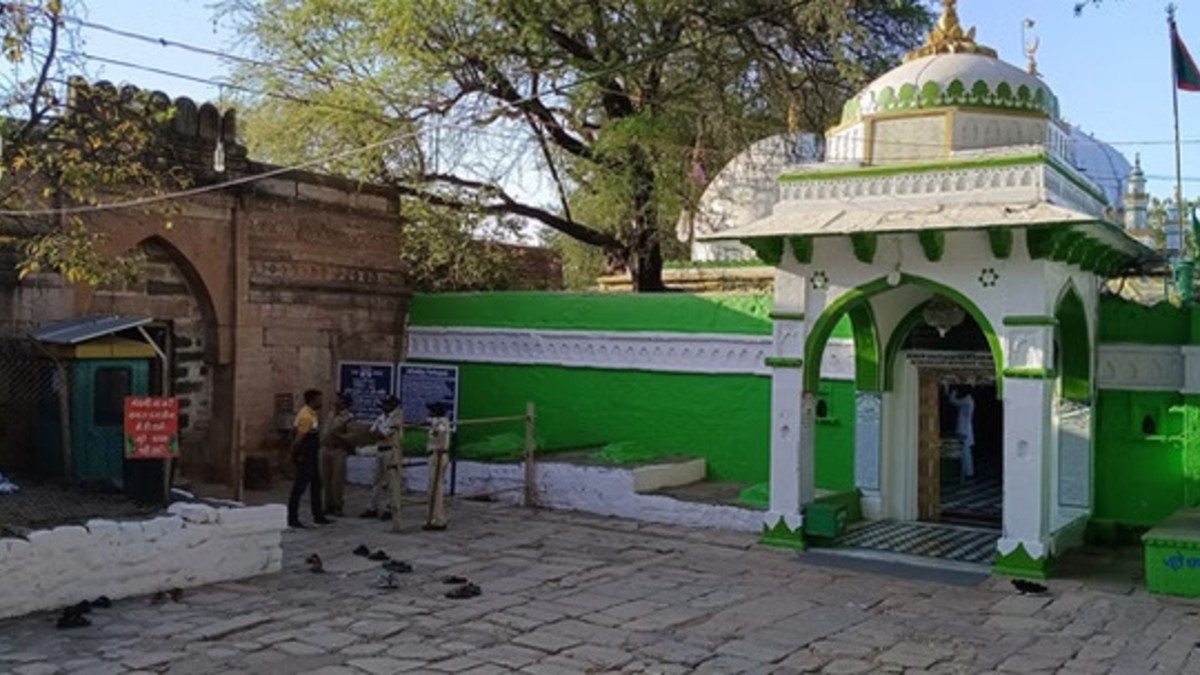
The Madhya Pradesh High Court on Friday ruled that the disputed Bhojshala Temple-Kamal Maula Mosque Complex is a temple dedicated to Goddess Saraswati, delivering a major judgment in the long-running dispute over the religious character of the site.
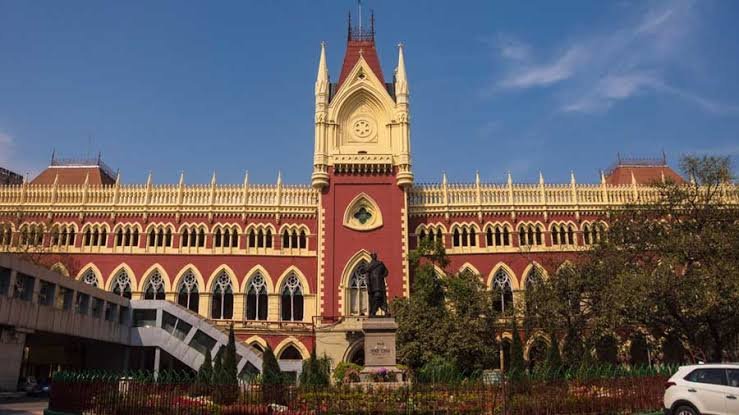
A division bench of Justice Vijay Kumar Shukla and Justice Alok Awasthi observed that historical material and records indicated the presence of a Sanskrit learning centre and a temple of Goddess Saraswati at Bhojshala during the rule of Raja Bhoj of the Parmar dynasty.
“We have noted continuity of Hindu worship at the site here has never been extinguished,” the court said while pronouncing its verdict.
Court Says Site Is Historically Bhojshala
The court held that the religious character of the disputed site was that of Bhojshala and noted that it had historical links with Sanskrit education and Hindu worship.
The bench also said the monument remains protected under the Ancient Monuments Preservation law and directed the Archaeological Survey of India (ASI) to continue supervising the preservation and conservation of the complex.
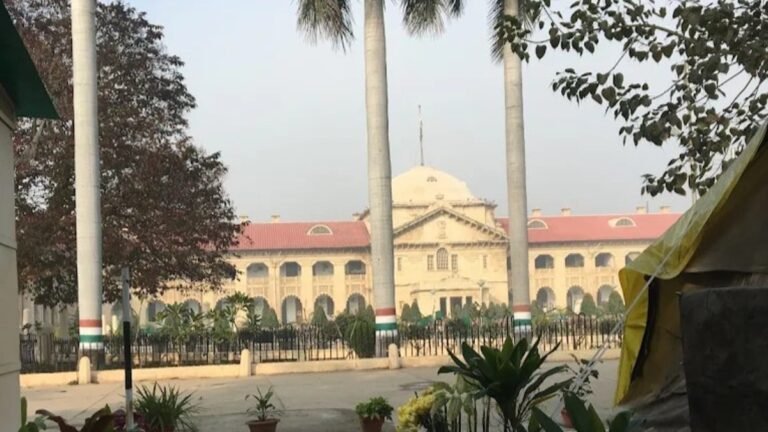
At the same time, the court reportedly declined to fully rely on the ASI survey report, saying it did not entirely inspire confidence. However, it accepted several historical findings placed before it during the hearings.
The dispute centres around claims by Hindus that Bhojshala is an ancient temple of Goddess Vagdevi (Saraswati) built by Raja Bhoj, while the Muslim side has maintained that the site has functioned as the Kamal Maula Mosque for centuries.
Court Suggests Separate Land for Mosque
In a significant observation, the High Court said the Muslim community may approach the state government for allotment of suitable land in Dhar district for the construction of a mosque.
The bench said the government could consider such a request in accordance with law.
The ruling also set aside an earlier ASI arrangement that allowed Muslims to offer namaz at the complex on Fridays while Hindus worshipped there on Tuesdays under a 2003 administrative order.
The court further directed the state administration to make arrangements for worship and ensure security at the site.
ASI Survey and Hindu Claims
The High Court had earlier ordered the ASI to conduct a scientific survey of the Bhojshala complex in March 2024. The survey continued for 98 days, after which the ASI submitted a report running over 2,000 pages.
According to the Hindu petitioners, the survey uncovered sculptures, inscriptions, architectural remains and coins indicating that a temple structure existed at the site before the mosque.
The ASI report had also suggested that parts of the present structure were built using remains of earlier temple components.
However, the Muslim side argued that the ASI report was biased and prepared to support the Hindu claims.

Hindu Side Calls Verdict Historic
Advocate Vishnu Shankar Jain, representing the Hindu side, described the judgment as “historic.”
“The court has granted us the right to worship, directed the administration to manage the site, and set aside the ASI’s earlier order permitting namaz,” Jain said.
He also welcomed the court’s observation asking the government to consider representations seeking the return of the idol of Goddess Saraswati, which is believed to be kept in a museum in London.
The Muslim side is expected to examine the judgment in detail before deciding its next legal step.