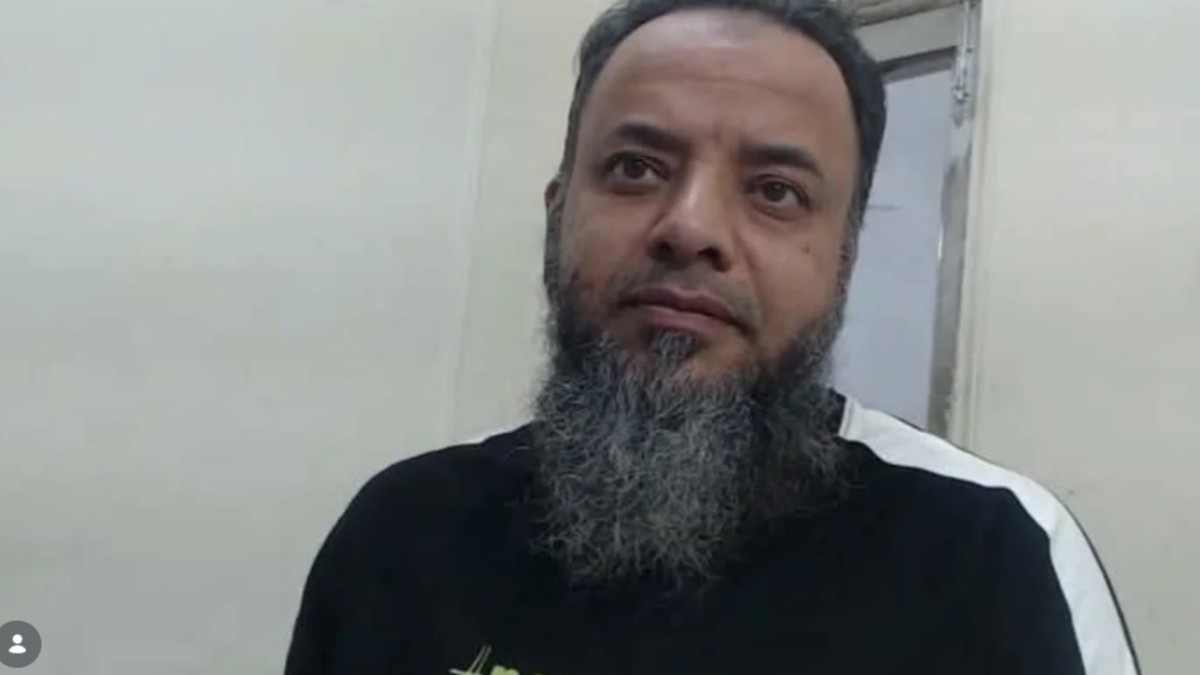
The Supreme Court of India on Friday granted interim bail to activist Khalid Saifi and co-accused Tasleem Ahmed in the 2020 Delhi riots conspiracy case, while referring larger legal questions related to bail under the Unlawful Activities (Prevention) Act (UAPA) to a larger bench.
Supreme Court Seeks Clarity on UAPA Bail Provisions
A bench comprising Justice Aravind Kumar and Justice Prasanna B. Varale observed that there was a need for clarity on how courts should apply bail provisions under the UAPA, particularly in cases involving prolonged incarceration without completion of trial.
The court said there appeared to be a “perceived divergence” in how different Supreme Court benches had interpreted earlier judgments, including the landmark K.A. Najeeb judgment.
APCR Reacts to Bail Order
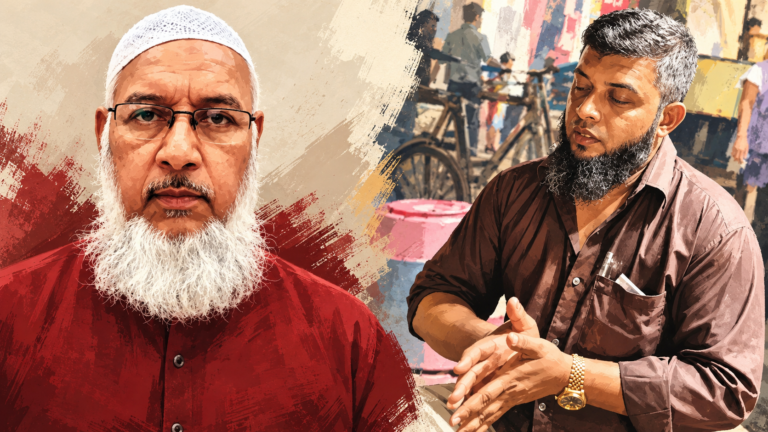
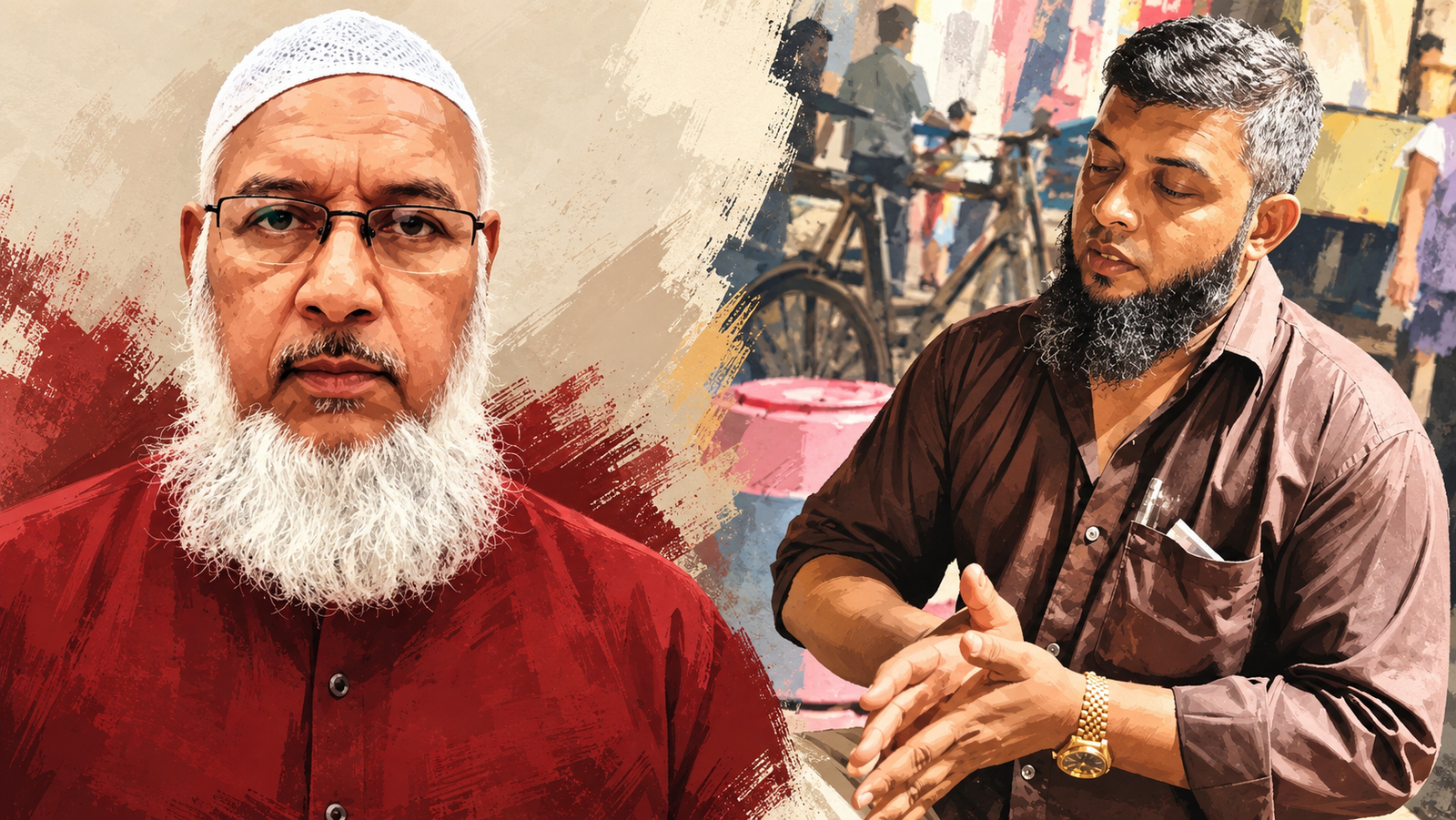
Reacting to the development, Nadeem Khan of the Association for Protection of Civil Rights (APCR) said:
“Khalid Saifi was granted bail. He currently has an interim bail of six months. Hopefully, it will continue.”
Court Balances Article 21 With UAPA Restrictions
While granting relief to Saifi and Ahmed, the court said the matter involves balancing constitutional protections under Article 21 — which guarantees personal liberty — with restrictions imposed under Section 43D(5) of the UAPA.
The bench clarified that the K.A. Najeeb ruling continues to remain valid and acts as an important constitutional safeguard in cases involving prolonged detention. However, it also stressed that the judgment does not dilute statutory restrictions under the UAPA and courts must continue to examine bail applications carefully within the legal framework.
Gulfisha Fatima Judgment Cannot Be Applied Mechanically
The court also discussed the relevance of the Gulfisha Fatima bail judgment and observed that it should not be applied mechanically. It said delay in trial alone cannot automatically become grounds for bail, though Article 21 remains an important safeguard against indefinite incarceration.
Referring to observations made in later rulings, including the Andrabi case, the bench said that coordinate benches of equal strength should not unsettle earlier rulings and that any inconsistencies in interpretation should be resolved by a larger bench.
“The issue involves the balance between Article 21 and statutory restrictions under UAPA,” the court observed while directing the matter to be placed before the Chief Justice of India for constitution of an appropriate bench.

Khalid Saifi and Tasleem Ahmed Had Cited Long Incarceration
Khalid Saifi, associated with United Against Hate, has spent more than five years in custody. He sought bail citing prolonged imprisonment and parity with co-accused who were granted relief earlier this year. The Delhi Police have accused him of participating in WhatsApp groups allegedly linked to anti-CAA protests and delivering inflammatory speeches. Saifi has denied all allegations.
Tasleem Ahmed had also approached the Supreme Court after multiple bail rejections, arguing that he had spent years in jail while the trial remained pending.
Earlier Bail Orders in the Delhi Riots Case
Earlier this year, the Supreme Court granted bail to five co-accused, including Gulfisha Fatima, while denying bail to Umar Khalid and Sharjeel Imam.
Separately, the Delhi High Court recently granted three-day interim bail to Umar Khalid from June 1 to June 3 to allow him to care for his mother, who is scheduled to undergo surgery.
Background of the Delhi Riots Conspiracy Case
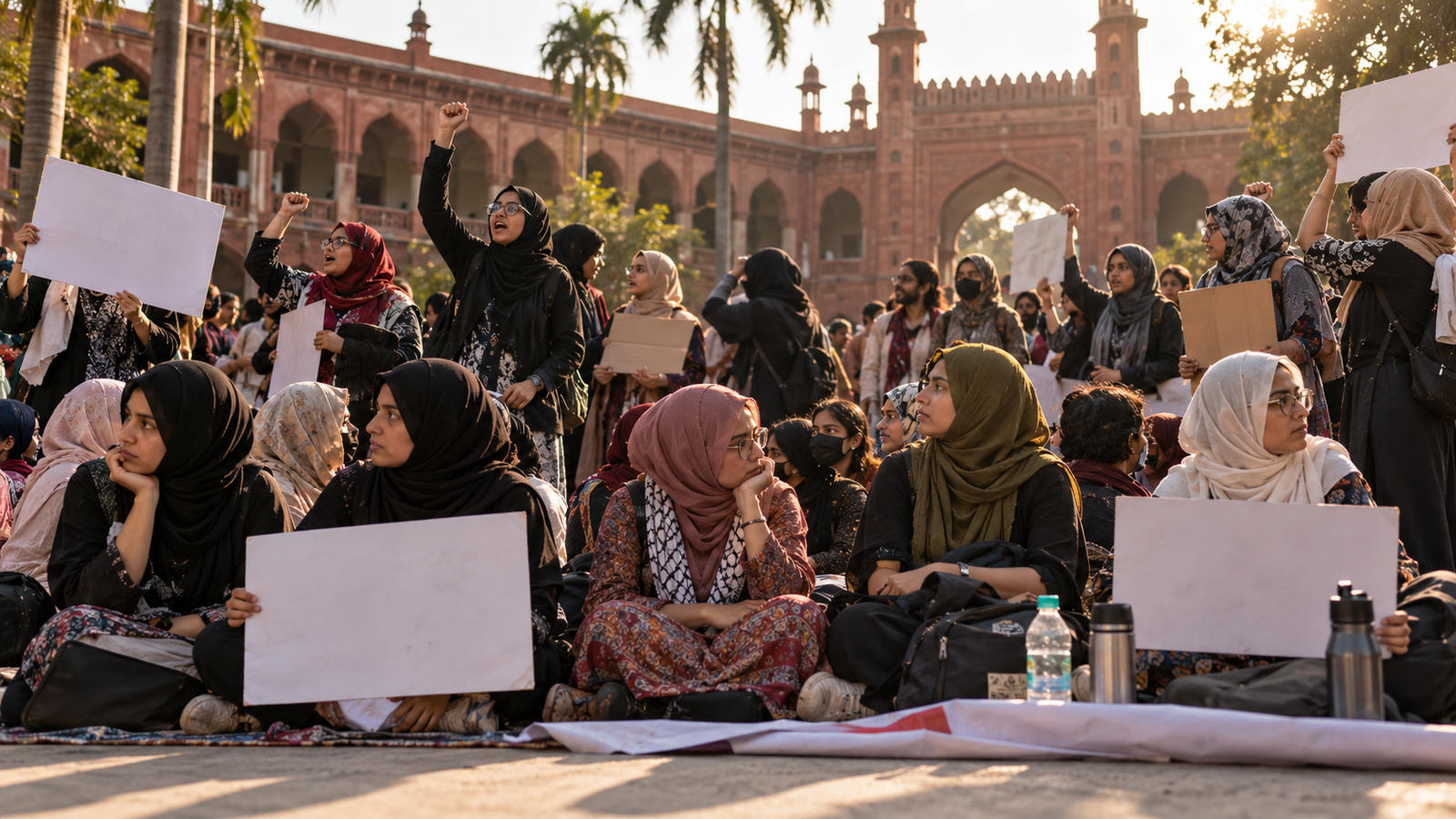
The Delhi Police have alleged that several student activists and protest organisers conspired to engineer the communal violence that took place in Northeast Delhi in February 2020 during protests against the Citizenship Amendment Act (CAA). All accused have denied the allegations.