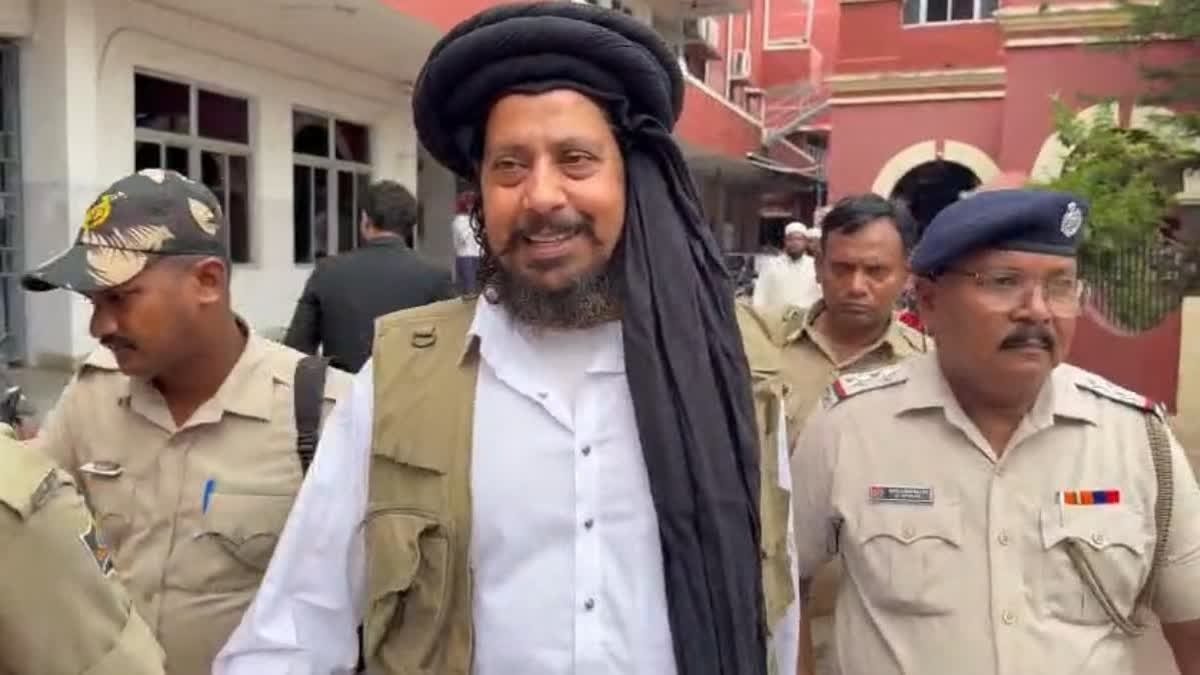
A special sessions court in Odisha’s Cuttack has acquitted Islamic scholar and cleric Maulana Abdul Rehman in a terror case after he spent nearly 14 years in jail fighting multiple legal battles. The court ruled that investigators failed to provide convincing evidence linking him to banned organisations or terrorist activities.
Maulana Abdul Rehman, who had been accused of alleged links with groups such as al-Qaeda in the Indian Subcontinent (AQIS) and Indian Mujahideen (IM), was arrested in 2015 following separate cases registered in Delhi, Jamshedpur, and Cuttack.
The Sessions Court, while delivering its verdict, said the prosecution had failed to establish any direct connection between the cleric and terrorist activities.
“Absolutely dearth of any material existed to prove the accused’s involvement in terrorist acts or association with terrorist organisations,” the court observed while rejecting charges under key provisions of the Unlawful Activities (Prevention) Act (UAPA).
Investigation Failed to Prove Allegations, Says Court
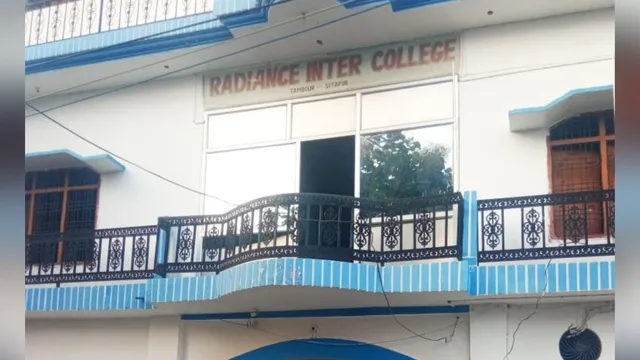
During the trial, the investigating officer reportedly admitted in cross-examination that no evidence was found showing any student from the madrasa run by Abdul Rehman had joined terrorist organisations.
The officer also conceded that authorities had not recovered any documents, weapons, or materials proving the cleric’s membership in banned organisations or involvement in supplying arms to terror groups.
The court further noted that there was no proof that Abdul Rehman encouraged students or members of his community to join extremist outfits.
The court also dismissed sedition allegations, ruling that the prosecution failed to prove that the scholar had incited hatred or disaffection against the government through speeches, writings, or any form of communication.
Following the ruling, the court acquitted him of charges under several sections of the UAPA and sedition law and ordered his immediate release if not required in any other case.
Arshad Madani Says Verdict Raises Questions on Terror Cases Against Muslims
Reacting to the acquittal, Arshad Madani said the judgment once again highlighted how Muslim youth are allegedly being arrested on terror charges without sufficient evidence.
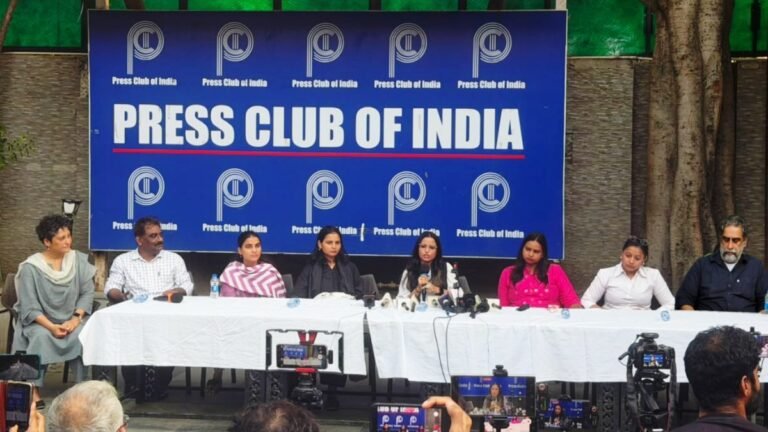
“This decision proves once again that lives of Muslim youth are being ruined by arresting them on terrorism charges without evidence,” Madani said.
He also criticised sections of the media, accusing them of portraying Muslim accused as guilty before court verdicts are delivered.
“We have been demanding for years that investigating agencies and police should be held accountable. Until that happens, innocent people will continue to suffer, not only under terror laws but also under other legal provisions,” he said.
Madani further alleged that in the current political climate, Muslims often become “easy targets” for police and investigative agencies.
Jamiat Legal Team Fought Case Up to Supreme Court
The Maharashtra Legal Cell of Jamiat Ulema-e-Hind had been representing Abdul Rehman in court and pursued the matter from lower courts to the Supreme Court.
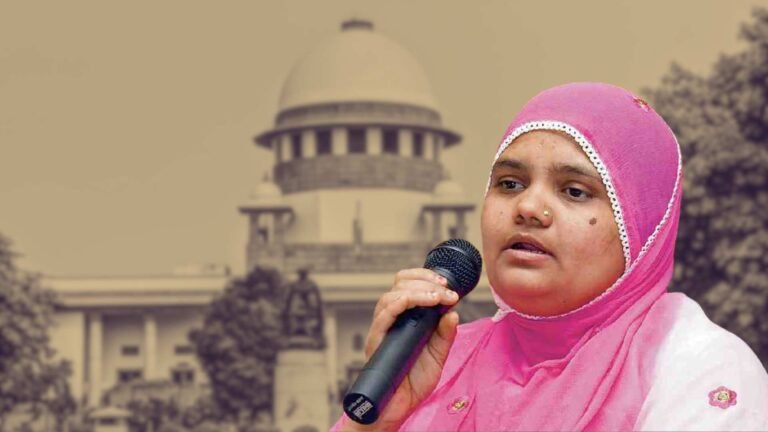
Senior advocate Nitya Ramakrishnan, appearing for Jamiat in the Supreme Court, had argued that many prosecution witnesses had withdrawn their earlier statements, yet the accused continued to remain in jail.
While hearing Abdul Rehman’s bail plea, the Supreme Court reportedly directed the trial court to complete proceedings within a fixed timeline, which eventually led to the conclusion of the trial.
Earlier Conviction in Delhi Case
Abdul Rehman had earlier been convicted by a Delhi court in February 2023 under provisions related to conspiracy and recruitment for terror acts under UAPA and was sentenced to seven years and five months in prison. According to reports, he had already completed that sentence.
However, in the Odisha case, the Cuttack court concluded that there was insufficient evidence to prove allegations of terror links or radicalisation, leading to his acquittal.