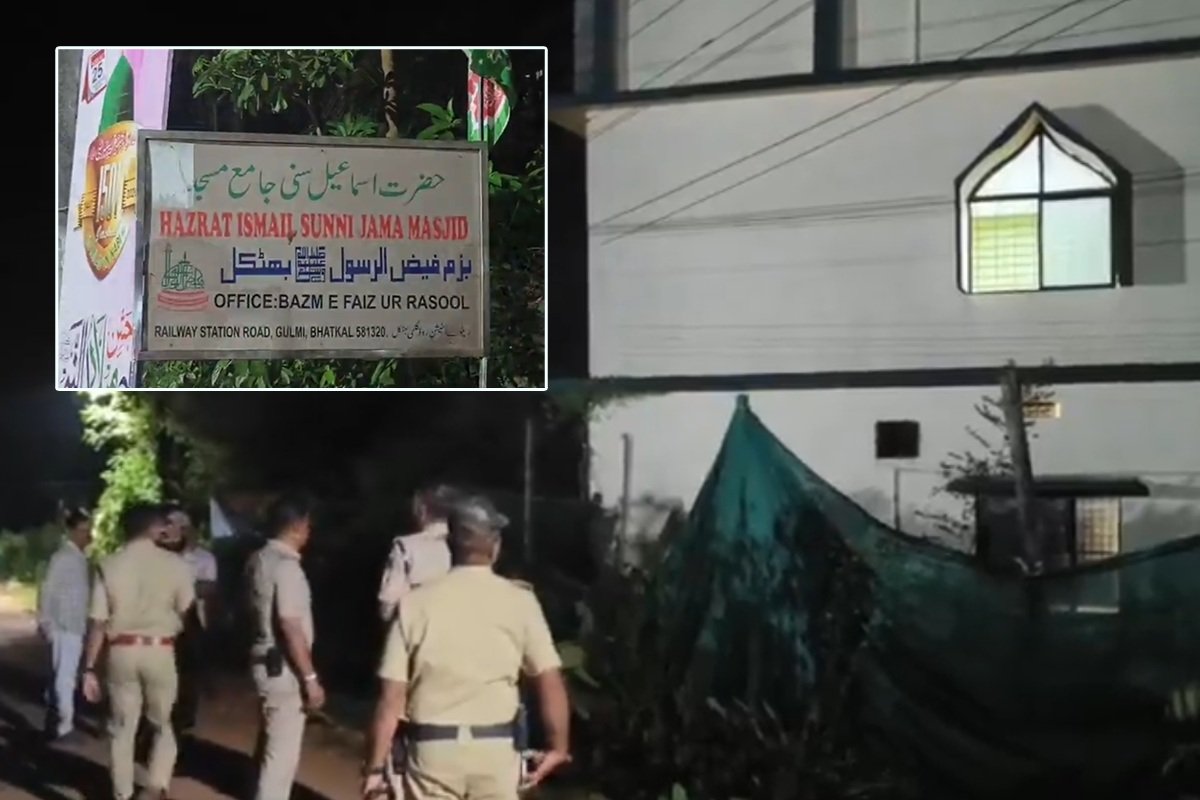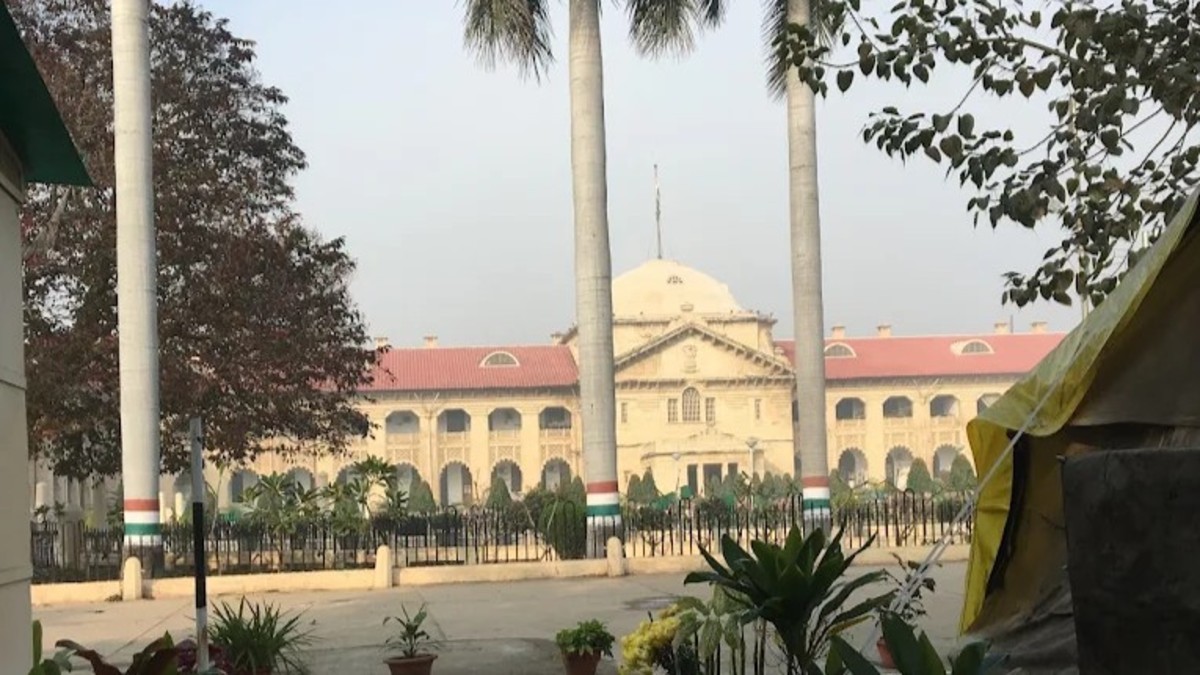
The Gujarat High Court has dismissed a petition seeking immediate registration of an FIR in the alleged custodial death of a 70-year-old man, saying the deceased’s family must first use the legal remedies available under the Bharatiya Nagarik Suraksha Sanhita (BNSS).
The case relates to the death of Zahiruddin alias Dabbo Gyasuddin Shaikh, who was arrested by Ahmedabad Police in connection with an alleged cow slaughter case. His son, Tofik Shaikh, had approached the High Court, alleging that his father died due to custodial violence and seeking directions to register an FIR against police officials.
Justice D.N. Ray, while dismissing the plea, observed that although the Supreme Court’s ruling in Lalita Kumari vs Government of Uttar Pradesh makes FIR registration mandatory when a cognisable offence is disclosed, it does not allow families to directly approach the High Court under Article 226 if police fail to act.
“The procedure prescribed under CrPC, now BNSS, is the statutory remedy provided by Parliament,” the court said, adding that writ courts should not interfere before legal remedies are exhausted.
Court Refers to Supreme Court Judgments
The High Court relied on recent Supreme Court rulings, including Sujal Vishwas Attavar vs State of Maharashtra and Sakiri Vasu vs State of Uttar Pradesh, which state that people must first approach higher police authorities or a magistrate if police refuse to register an FIR.

Justice Ray acknowledged concerns in custodial death cases, especially when allegations are against police officers themselves. However, he refused to make custodial death an exception to established legal procedures.
“Even if there is fear that police may not register an FIR against their own department, that alone cannot justify bypassing statutory remedies,” the court observed.
The judge further said that while Lalita Kumari clearly mandates FIR registration in cognisable offences, it does not provide a separate process when police fail to follow the ruling.
“It is ironic that even if a Supreme Court mandate is violated by authorities, courts have repeatedly held that the procedure under CrPC/BNSS must be followed first,” the order said.
Allegations of Custodial Violence
According to the petition, Zahiruddin was arrested on May 18 after police booked him under the Bharatiya Nyaya Sanhita (BNS), the Gujarat Animal Preservation Act, and the Prevention of Cruelty to Animals Act.

Police had claimed that he was the alleged kingpin of an illegal cow slaughter operation after a raid reportedly recovered 520 kg of suspected cow meat and a live calf.
His family alleged that during police custody, the elderly man was physically assaulted and given unidentified substances. On May 19, he was reportedly taken to Sola Civil Hospital for treatment, but due to the unavailability of ICU beds, he was shifted to another hospital, where he died a few hours later.
The petitioner argued that medical records and postmortem recommendations pointed toward a cognisable offence and demanded immediate FIR registration.
The family also claimed that despite serious allegations of custodial violence, police failed to register an FIR and instead carried out an internal inquiry between May 20 and May 22, including collecting CCTV footage and recording statements of officers.
State Opposed Petition
The Gujarat government opposed the petition, arguing that the family had not exhausted alternative legal remedies before approaching the High Court.
The state argued that when the petition was filed on May 21, no formal complaint had yet been submitted to police authorities. It said the complaint was filed only on May 22 and therefore no inaction by authorities could be claimed at the time of filing.
While dismissing the petition, the High Court allowed the family to pursue alternative remedies under the BNSS, including approaching a magistrate for further action.