Ashraf Rehman
With 40 percent of the population below the age of 18, the humanitarian crises and the mass killings of the children in the Gaza Strip continues; various reports from entities such as Amnesty International and media coverage from Al Jazeera document the situation in which children face extreme violence, widespread displacement, and significant pain and suffering. The expression “screams in blood and debris” encapsulates the experiences of a young generation traversing a profoundly affected environment.
Various human rights groups and column articles have repeatedly emphasized the sufferings and killings of innocent children by the aggression of the Israeli Defence Force; the extent of both physical damage and the psychological trauma aftermath to the children in Gaza is unmatched in contemporary history.
Based on the statistical reports gathered on ground reporting by outlets such as Al-Jazeera and various human rights organizations, over 17,400 children have been reported dead; some organisations estimate it is more than that, with countless more still unaccounted for, and likely buried beneath the rubble of collapsed structures. In personal escalations, the cost increases dramatically. Amnesty International emphasized a specific day when airstrikes resulted in the deaths of hundreds of Palestinians, which included 174 children.
The tangible truth of the struggle is a terrain of shattered concrete; rescue teams work with limited tools and poor facilities, frequently resulting in children being stuck under debris for hours or even days.
One such heartbreaking story is of five-year-old Hind Rajab, whose desperate final moments were shared globally as she cried for help while stuck in a vehicle with deceased relatives, and she was killed by the IDF with 355 bullets; she represents the many killed in the conflict and the stories which are buried beneath the rubble and files.

For survivors of the initial explosions, the medical journey is arduous. UNICEF and local health organizations indicate that tens of thousands of children have sustained injuries. The term WCNSF—”Wounded Child, No Surviving Family”—was adopted in Gaza’s medical vocabulary, referring to a group of young patients who find themselves entirely isolated in overcrowded hospitals, frequently enduring amputations and lasting physical injuries without any guardian to provide solace.
Starvation, Disease, and the Collapse of Healthcare
Beyond the direct threat of military strikes, an insidious secondary crisis has emerged through the restriction of essential resources. Amnesty International and humanitarian groups have described the systematic deterioration of the conditions necessary to sustain young lives.
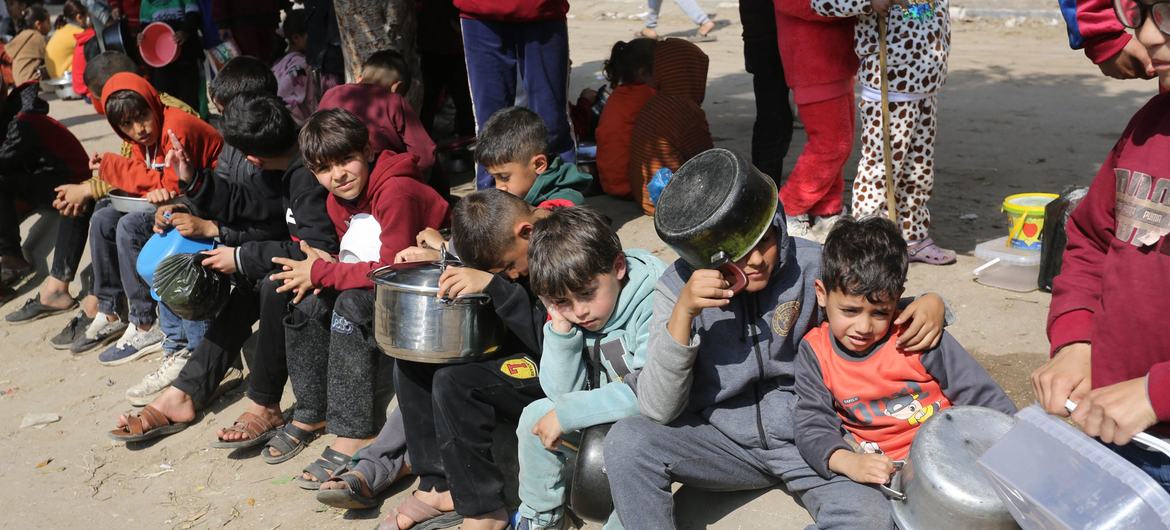
Acute Malnutrition: Deliberate restrictions on aid corridors and logistical blockades have led to catastrophic levels of food insecurity. Amnesty International reports that thousands of children have been admitted to hospitals suffering from acute malnutrition, a condition that permanently impacts early physical and cognitive development. Projections indicate that tens of thousands of pregnant and breastfeeding mothers face acute starvation, leading directly to high-risk pregnancies, low-birth-weight babies, and compromised infant immune systems.
Eradication of Safe Havens: Places traditionally considered sanctuaries have repeatedly been struck. Schools turned into crowded internal displacement camps, and critical medical facilities have suffered structural failure. Specialised children’s and maternity hospitals have repeatedly ceased operations due to direct damage, lack of clean water, and acute shortages of fuel necessary to run incubators for premature infants.
Sanitation and Preventable Disease: Daily life for displaced children involves severe overcrowding in tent cities or damaged structures. With an average of hundreds of individuals sharing singular basic amenities, sanitation has broken down entirely. Children are highly exposed to severe dehydration, respiratory tract infections, skin conditions, and waterborne illnesses like gastroenteritis, turning preventable ailments into fatal threats.
The Psychological Erasure of Childhood
To look past the immediate physical trauma is to find a deep psychological crisis affecting an entire generation. Psychologists and field researchers speaking to Al Jazeera emphasize that the children of Gaza are experiencing continuous, unrelenting psychological stress without the “post” that defines post-traumatic stress disorder.
The trauma manifests in several profound ways:
Involuntary Stress Responses: The constant sound of low-flying drones and explosive impacts leads to widespread panic attacks, bedwetting, loss of speech, and involuntary vomiting among young children.
Severe Developmental Regression: Repetitive forced displacement and the abrupt loss of secure family structures cause significant regression in developmental milestones.
Profound Grief and Identity Loss: The complete erasure of schools, community spaces, and entire multi-generational family lineages leaves children without foundational markers of identity and belonging.

With school systems completely suspended and hundreds of educational facilities destroyed, the structure, routine, and development offered by education have been completely replaced by an urgent, daily struggle for survival.
Systemic Failures and International Law
International frameworks, specifically the Geneva Conventions and the UN Convention on the Rights of the Child, outline distinct obligations for the absolute protection of children during armed conflicts. However, the evidence compiled by human rights authorities indicates a systemic breakdown of these legal barriers.
Amnesty International’s legal briefings characterize the ongoing operations as containing elements of disproportionate and indiscriminate targeting, contributing to an environment where civilian safety is profoundly compromised. The documentation of direct strikes on crowded civilian infrastructure, residential blocks, and designated “safe zones” challenges the international community’s enforcement mechanisms. Human rights advocates argue that allowing these conditions to persist damages the credibility of global human rights protocols designed to shelter the vulnerable.
A Generational Void
The current turmoil in Gaza has not only altered the course for countless young individuals, but also created a generational trauma of pain filled with the loss of loved ones and home. When in an ongoing conflict, countless children are forced to endure blood, devastation, starvation, and solitude, and the shared destiny of a community is profoundly impacted. The calls from humanitarian organizations, global entities, and reporters on-site highlight that without urgent action, a lasting end to violence, and strong aid distribution, the consequences faced by young people will echo for decades.
The views expressed in this article are the author’s own and do not necessarily reflect the policy of the platform.