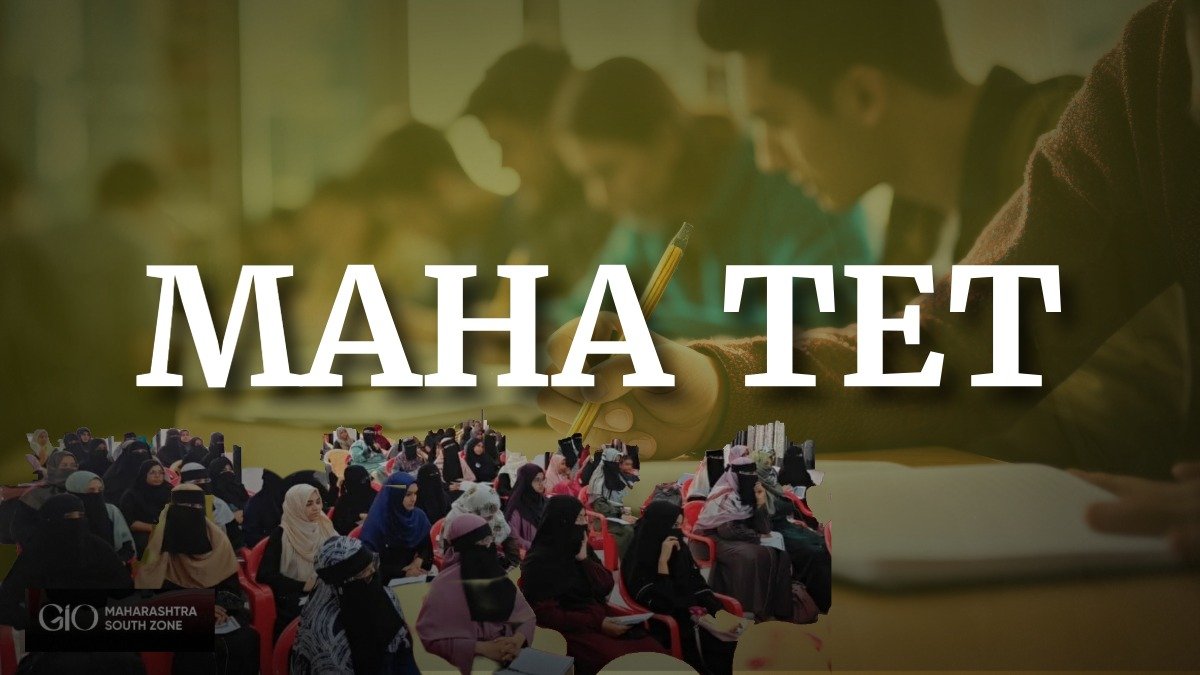
The Maharashtra Teacher Eligibility Test (MAHA TET) 2026, which was scheduled for 28 June, has been postponed after authorities confirmed a paper leak, affecting more than 4.28 lakh candidates across the state.
The decision was taken after reports of the question paper being accessed and circulated before the examination, raising serious concerns about the integrity of the recruitment process for teachers in Maharashtra.
“System Failed Despite Strict Rules”: Organisations React
The incident has triggered criticism from several groups, including Girls Islamic Organisation Maharashtra South, which strongly condemned the breach and questioned the effectiveness of the system’s preventive measures.
In a statement, the organisation said, “Ironically, while students faced discriminatory restrictions in the name of exam integrity, the system failed to prevent the actual malpractice: the paper leak itself.”
It added that the cancellation has “disrupted the aspirations of over 4.28 lakh candidates” who were prepared to appear for the exam.
Attire Restrictions Under Scrutiny
Ahead of the exam, authorities had reportedly imposed strict dress code rules, including restrictions on burqas, odhni, and head coverings, citing prevention of cheating and malpractice.
However, critics now argue that despite these measures, the system failed to stop the leak itself, raising questions about whether such restrictions were necessary or effective.
The organisation also demanded that such rules be withdrawn, calling them unfair and discriminatory towards students, and argued that exam integrity should be ensured through stronger security systems rather than controlling student attire.
Calls for Investigation and Accountability
Following the postponement, demands have grown for a transparent and time-bound investigation into the paper leak. Student groups and activists are also calling for strict action against those responsible and systemic reforms to prevent similar incidents in the future.
The organisation stated, “Examination integrity is protected through robust systems and accountability, not by imposing unnecessary restrictions on candidates.”