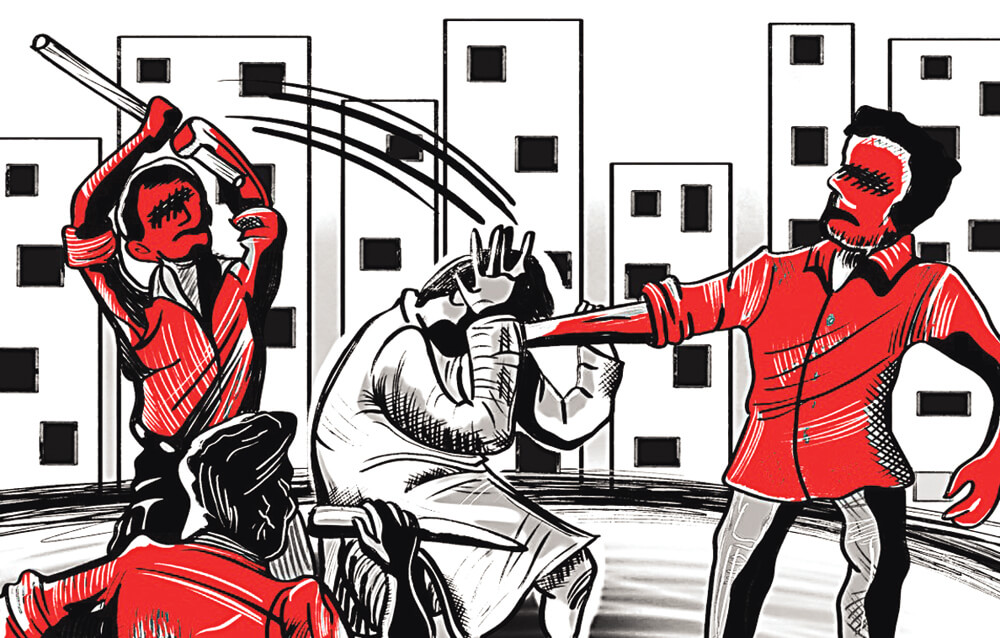
Jamaat-e-Islami Hind (JIH) has strongly criticised the demolition of mosques and residential settlements in different parts of the country, alleging that such actions are increasingly targeting Muslims and are being carried out without following proper legal procedures.
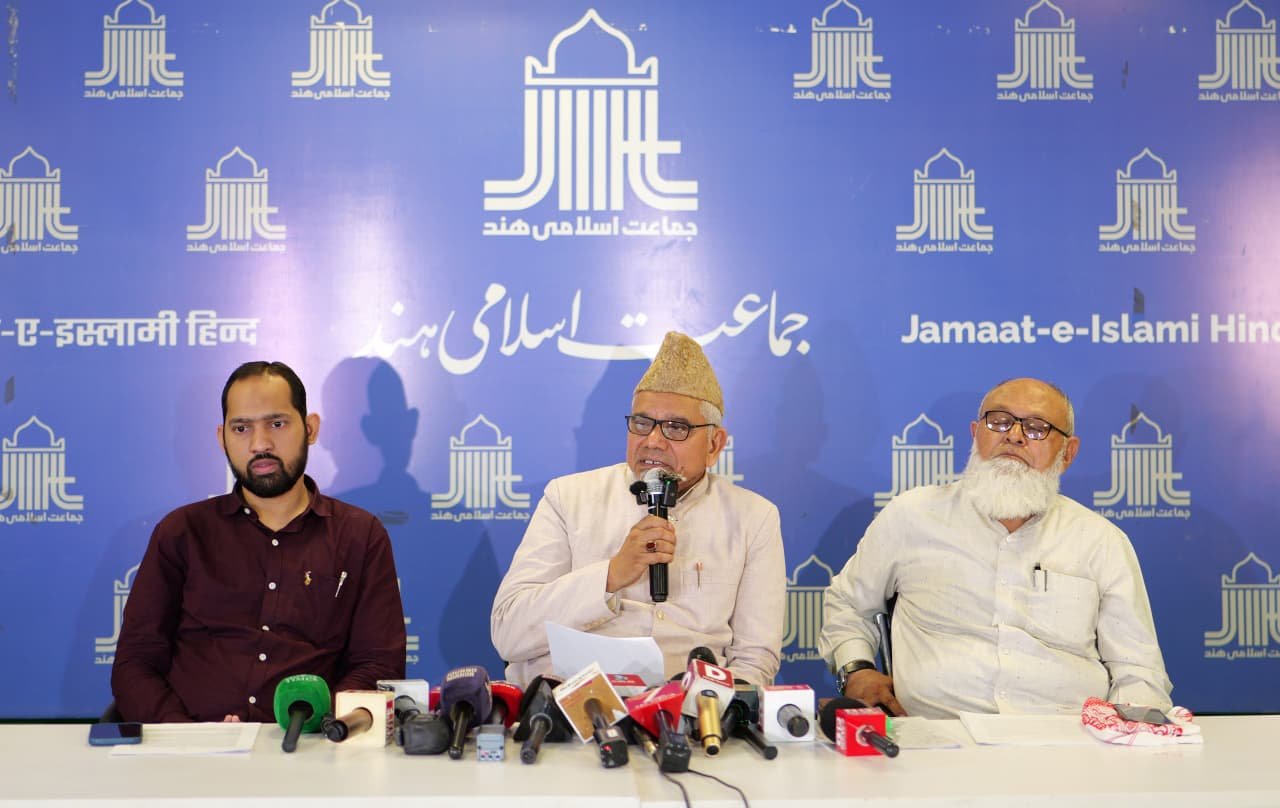
Addressing a press conference in New Delhi on Saturday, senior leaders of the organisation raised concerns over corruption, the Special Intensive Revision (SIR) of electoral rolls, and the functioning of democratic institutions in the country.
JIH National Secretary Shafi Madni said a delegation of the organisation visited Barmer, Jaisalmer and Jodhpur in Rajasthan between June 29 and July 2 to assess the situation on the ground. The team met affected families, local residents, legal experts and civil society members to understand the impact of recent demolition drives.
Condemning the demolition of mosques, homes and other structures, Madni said, “Recent incidents in Rajasthan, Uttar Pradesh, Maharashtra, Gujarat, Delhi and other states show a disturbing pattern where demolition drives are increasingly affecting mosques, homes and economically weaker communities.”
He claimed that in Rajasthan’s border districts of Barmer, Jaisalmer and Bikaner, authorities demolished mosques, dargahs and madrasas during operations carried out in the name of security, creating fear among local residents.
“The delegation found several cases where due legal procedure was not followed and unilateral action was taken. Even religious structures built on privately owned land were reportedly demolished,” Madni said.
He further alleged that Muslim religious structures were being selectively targeted. “Mosques and dargahs were demolished while places of worship belonging to other communities facing similar issues remained untouched. Such communal targeting and demolition of mosques is a national disgrace,” he said.
JIH Vice President Prof. Salim Engineer also expressed concern over what he described as rising corruption and declining accountability in public life.
“Recent corruption allegations against ministers, senior government officials and other influential persons point to a deeper crisis of ethics and governance. Corruption is no longer limited to politics or bureaucracy but has spread to institutions trusted by millions,” he said.
He said India needs both institutional reforms and stronger moral values. “Public life can improve only when integrity, accountability and fear of God guide both personal and public conduct,” he added.
Speaking about the ongoing Special Intensive Revision of electoral rolls in states including Delhi, Karnataka, Maharashtra, Jharkhand and Meghalaya, Prof. Engineer said the exercise must be carried out fairly and transparently.
“The right to vote is one of the foundations of India’s democracy. While maintaining accurate electoral rolls is important, no eligible citizen should lose this constitutional right because of administrative mistakes or procedural shortcomings,” he said.
Prof. Engineer also voiced concern over recent political developments in several states, alleging that democratic institutions were facing increasing pressure.
“Attempts to change legislative majorities after elections, allegations of intimidation of opposition leaders and the selective use of investigative agencies create the impression that electoral mandates are being altered through means other than the people’s verdict,” he said.
He further criticised the decline in public discourse, saying, “Reasoned debate is increasingly being replaced by polarisation, misinformation, hate speech and personal attacks against political opponents, journalists, academics and civil society organisations.”

The organisation urged authorities to ensure that development projects, law enforcement actions and electoral processes are carried out in accordance with constitutional principles, due process and equal treatment for all communities.