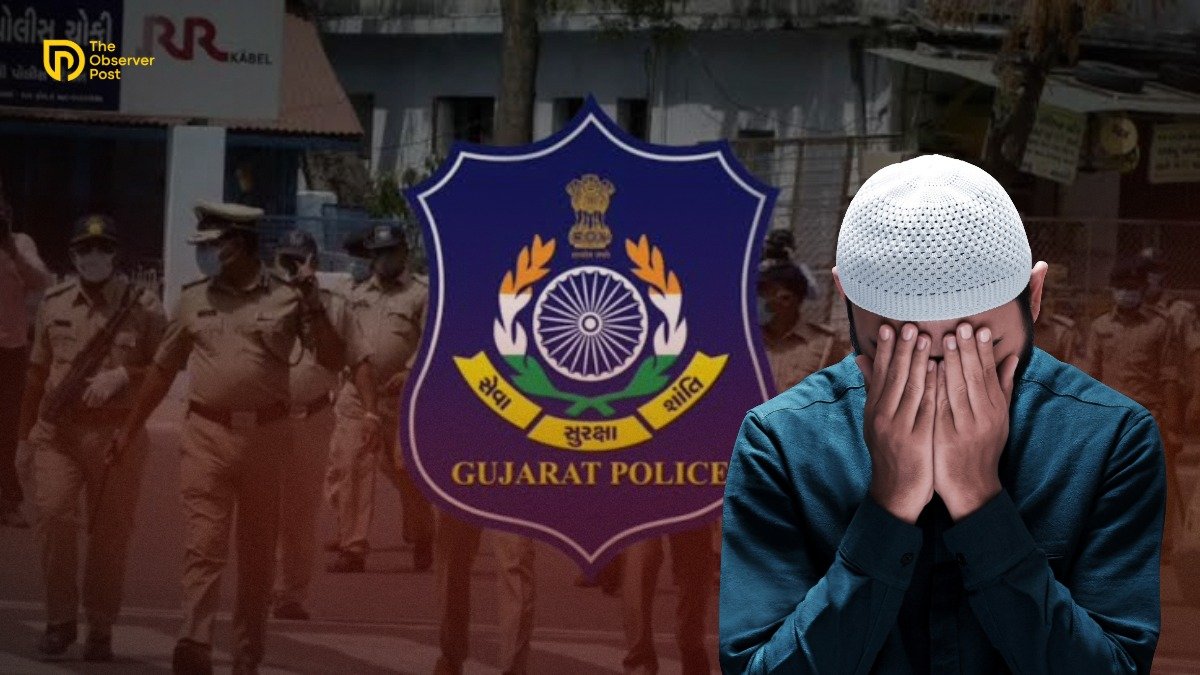
A purported confidential Gujarat Police document outlining a new anti-radicalisation framework has sparked concern among civil liberties activists and members of the Muslim community after it listed several routine Islamic religious practices and expressions of concern over global Muslim issues as possible indicators of “radicalisation.”
The documents, marked “Secret” and said to have been issued by the Gujarat State Intelligence Bureau (SIB), surfaced on social media in recent days. Their authenticity has not been independently verified, and the Gujarat government has not publicly confirmed or denied the documents.
According to the documents, the Gujarat Home Department approved the establishment of Anti-Radicalisation Cells (ARC) in every district and police commissionerate. A circular dated May 18, 2026, directs police units to implement a Standard Operating Procedure (SOP) and submit monthly reports on their activities.
SOP Lists Religious Practices and Digital Behaviour
The reported SOP defines radicalisation as a process in which individuals adopt extremist ideas and attempt to influence others. It instructs police to monitor behavioural, digital and community-related indicators.
Among the listed indicators are frequent mosque visits, developing closer ties with religious groups, performing Itikaf during Ramadan, growing a beard, wearing a niqab, frequently using Arabic greetings, leaving education or employment for religious activities, expressing concern over incidents affecting Muslims globally, discussing conflicts in Afghanistan or the Middle East, using encrypted messaging applications such as Signal or VPN services, and maintaining online contact with individuals in Afghanistan.
The document also includes possession or sharing of Islamic State propaganda, such as Dabiq and Rumiyah, alongside these indicators.
Shabnam Hashmi Calls for Government Accountability
Human rights activist Shabnam Hashmi described the reported SOP as “state-sponsored communal profiling” and urged political parties and civil society to take up the issue.
“Under the fraudulent guise of ‘national security,’ the Gujarat government is institutionalising blatant communal profiling and weaponising the state machinery to criminalise ordinary religious and cultural identity. This is a direct and vicious assault on the Constitution,” she said.
Hashmi also criticised provisions that reportedly require coordination between Anti-Radicalisation Cells, the Special Operations Group (SOG) and prison authorities.
“The cell is directed to work closely with the Special Operations Group and prison administrations to intensify surveillance, explicitly building cases that could invoke draconian laws such as the Unlawful Activities (Prevention) Act and provisions of the Bharatiya Nyaya Sanhita. This institutionalised bigotry by the Gujarat government cannot go unchallenged,” she said.
Activists Raise Concerns Over Religious Profiling
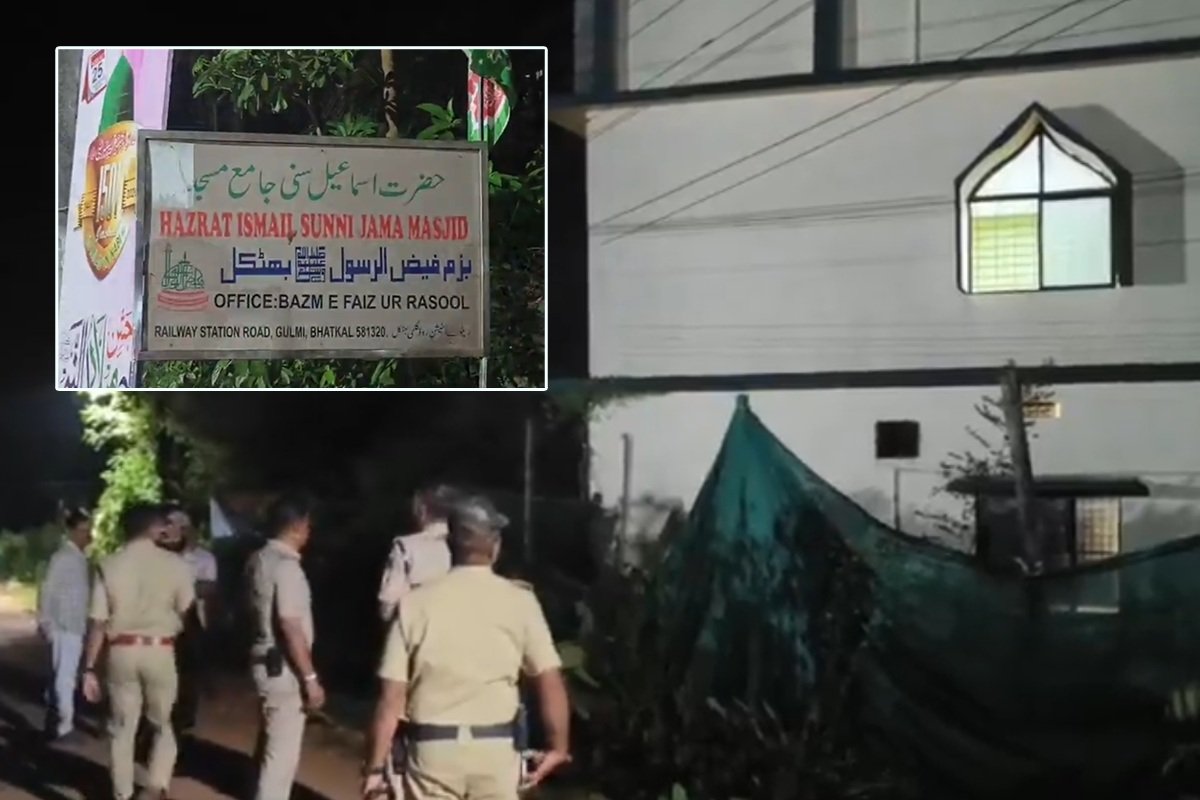
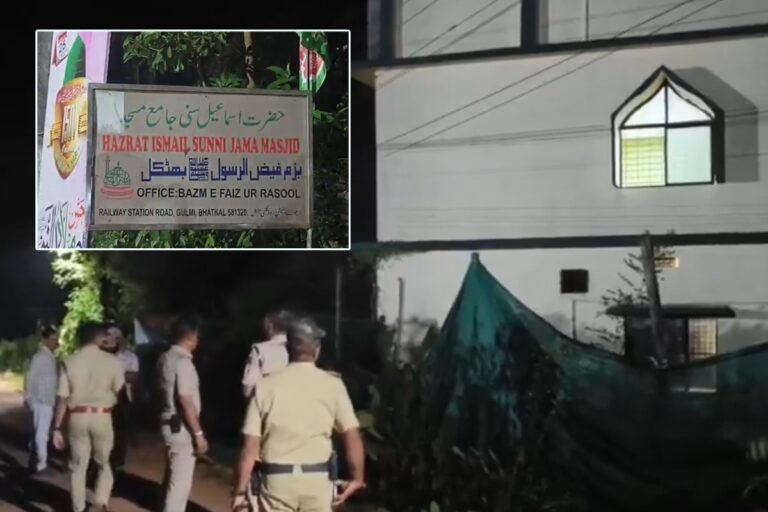
Mujahid Nafees, convener of the Minority Coordination Committee (MCC), said he made the documents public after receiving reports that police personnel had been visiting mosques and madrasas during demolition drives in Kutch.
“I was getting calls from across the state. I wondered how the police could enter mosques and madrasas without any circular. Since it was happening on such a large scale, I believed there had to be a written order, even though officials were not making it public. That is why I brought these documents into the public domain,” Nafees told The Hindustan Gazette.
He alleged that the SOP unfairly focuses on Muslim identity.
“The police have only focused on Muslim identity markers such as beards and burqas in the name of checking radicalisation. Real radicalisation is when mobs attack drivers and cleaners after seeing vehicles carrying goats, or target people wearing kurta-pyjama. This circular has been issued only to keep Muslims under surveillance. It is biased and places the entire community under suspicion,” he said.
Government Yet to Respond
The Gujarat government and police have not publicly responded to the contents of the purported documents or to the allegations made by activists.
Counter-radicalisation programmes have been adopted by governments in several countries to prevent recruitment into violent extremist organisations. However, such initiatives have also drawn scrutiny over concerns that security measures should distinguish between constitutionally protected religious practices and conduct that may indicate involvement in or support for violent extremism.
The authenticity of the leaked documents remains unverified, and further clarification from the Gujarat government is awaited.