The Supreme Court on Thursday said that pellet guns cannot be banned as long as existing police regulations permit their use in exceptional circumstances for crowd control. At the same time, the court made it clear that allegations of misuse in a specific incident can be examined individually.
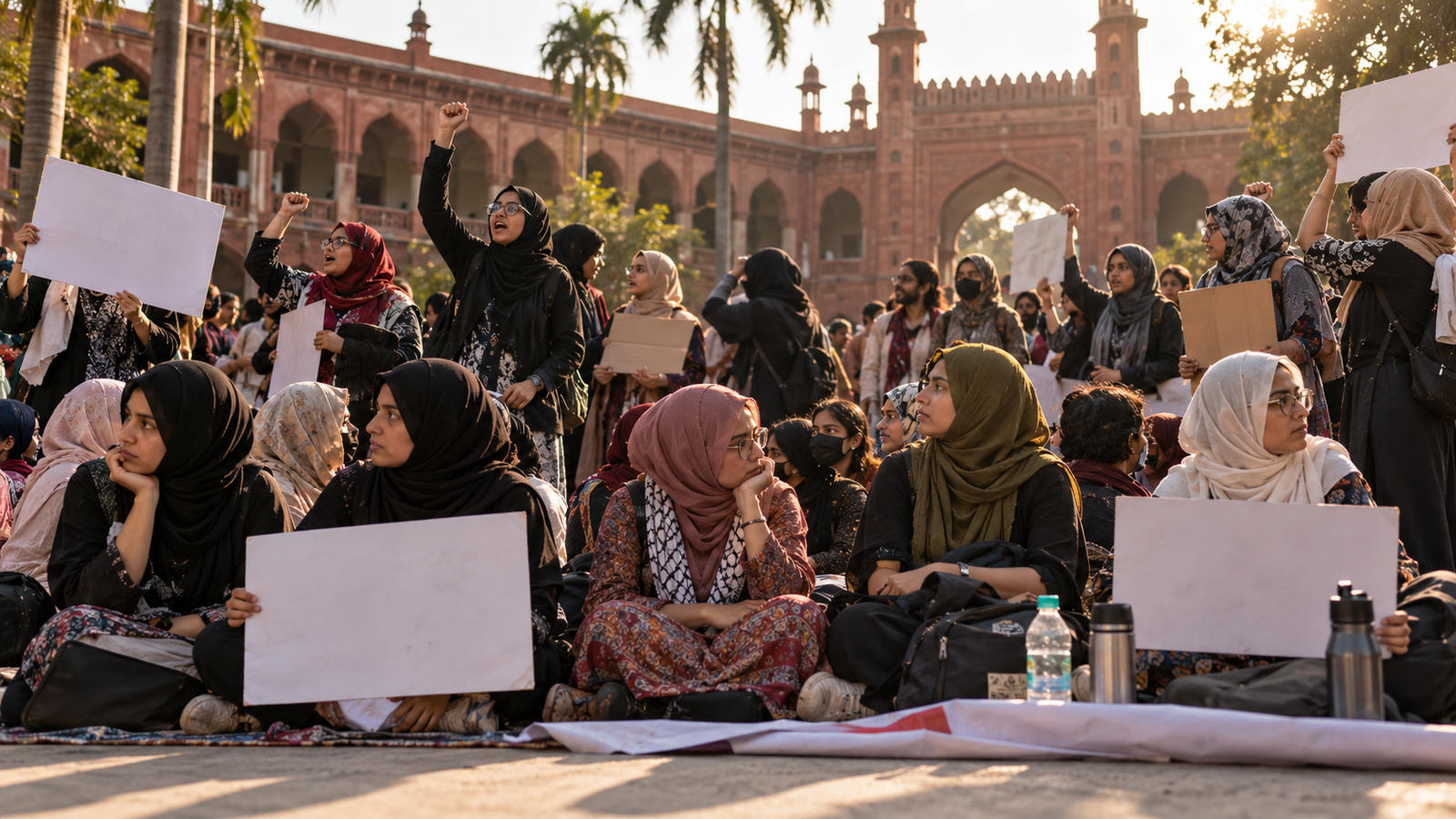
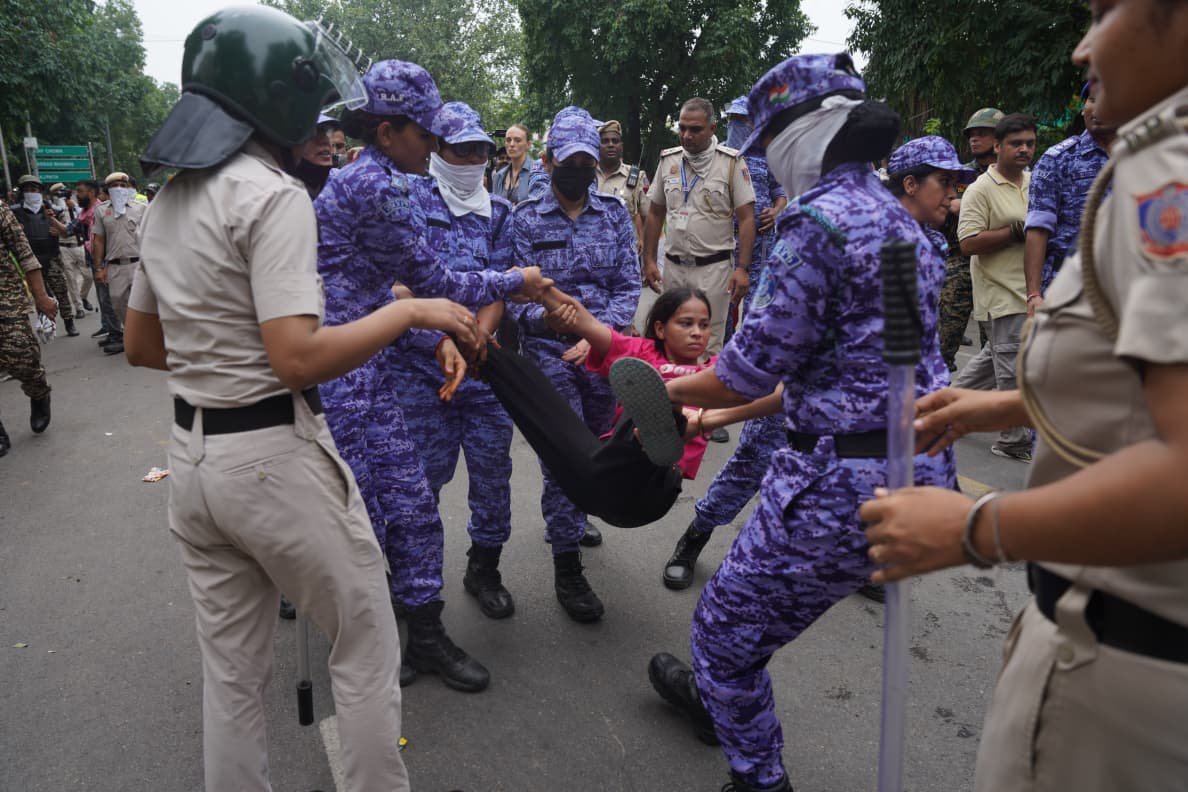
The observations came while hearing a petition filed over the alleged use of metallic pellet guns during the July 20 student protest in Delhi against the NEET paper leak.
Supreme Court seeks RAF ammunition log
A Bench comprising Chief Justice Surya Kant and Justices Joymalya Bagchi and V. Mohana directed the Centre to preserve the ammunition log of the Rapid Action Force (RAF) deployed during the protest at Jantar Mantar.
The court also directed the Delhi government to ensure proper medical treatment for protesters who allegedly suffered pellet injuries, including Prashant Kumar and Sheikh Irshad Mansoori.
The petition was filed by former IPS officer and former Central Information Commissioner Yashovardhan Azad, along with two injured protesters, seeking a nationwide ban on the use of metallic pellet ammunition for dispersing civilian gatherings.

Court says existing rules permit pellet guns
During the hearing, Justice Joymalya Bagchi said the petition’s request for a complete ban was too broad because it did not challenge the existing police regulations that allow pellet guns in exceptional situations.
“Police regulations permit the use of pellet guns in exceptional cases. If you want them phased out, you will have to challenge that provision itself as violating Article 21,” Justice Bagchi observed.
The Bench said it was open to examining whether pellet guns were used lawfully in the Delhi protest but added that each case would have to be assessed on its own facts.
Petitioners question use of metallic pellets
Senior advocate Vrinda Grover, appearing for the petitioners, argued that the issue before the court was the use of metallic pellets, which she said had been recovered from the bodies of injured protesters.
She submitted that she could not find any standing order of the Delhi Police authorising the use of pellet guns and requested the Centre to place the relevant regulations on record.

“I am not saying pellet guns should not remain in the armoury. My concern is the use of metallic pellets,” Grover told the court.
Centre assures cooperation
Solicitor General Tushar Mehta, appearing for the Centre, assured the Bench that all material required for the investigation, including ammunition records, would be preserved.
The court had earlier directed authorities to preserve CCTV footage, drone recordings, body-camera footage and wireless communication records related to the July 20 protest.
Court notes police may need graded response
The Bench observed that peaceful protests can sometimes turn violent due to the involvement of anti-social elements and that security forces may have to make quick decisions based on the situation.
The judges noted that police follow a graded response, beginning with measures such as public announcements, tear gas and lathi-charge before resorting to higher levels of force where permitted.

Meanwhile, CRPF sources have maintained that RAF personnel followed standard operating procedures during the July 20 operation and used pump-action guns only after lower-level crowd-control measures failed. According to the force, several protesters were injured during the incident, while 47 RAF personnel were also reportedly injured, including six who suffered head injuries.
The Supreme Court has issued notices to the Centre and the Inspector General of the RAF, and the matter will be heard further after the authorities place the relevant records before the court.