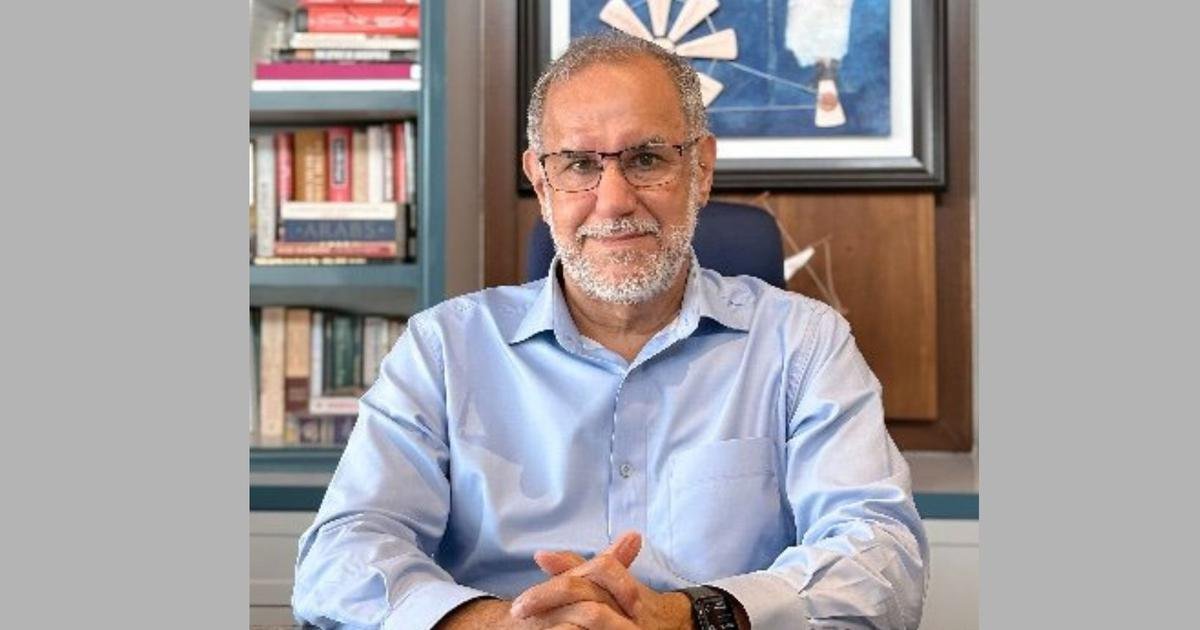
Former Indian diplomat Navdeep Suri has raised concerns about the verification process under the Special Intensive Revision (SIR) of electoral rolls after he was asked to provide proof of Indian citizenship during the exercise in Punjab.
Suri, a retired Indian Foreign Service officer, said he went through the SIR verification process and submitted his voter ID and Aadhaar card to a booth-level officer.
He said he was initially assured that everything was in order but was later informed that some of his details did not match the electoral rolls from 2003, which are being used as part of the verification process.
“Spoke with booth level officer, was told that I should come and collect the notice,” Suri said in a social media post.
He said he was then asked to return with unspecified documents showing that he was an Indian citizen.

‘I Was Not in India in 2003’
Suri said he told the officials that he was not in India in 2003 and was subsequently asked to provide his passport as proof.
“Replied that I was not in India in 2003, so they have asked for passport as proof,” he said.
The former diplomat said he has other identity documents in addition to his voter ID and Aadhaar card. However, he questioned what the process could mean for ordinary voters who may not have access to multiple documents.
“But can’t help asking: If I have trouble establishing my citizenship after representing India in three countries, what’s the fate of the common citizen?” Suri wrote.
SIR Underway in Punjab
Punjab is among the 16 states and three Union territories where the third phase of the Special Intensive Revision is being carried out.
The SIR process involves verification of existing electoral rolls and the identification of voters whose details may require further verification.
The Election Commission has maintained that the exercise is aimed at ensuring accurate electoral rolls. However, concerns have been raised by opposition parties, civil society groups and voters over the possibility of genuine electors facing difficulties during verification.
The Supreme Court has upheld the legality of the revision while making it clear that the Election Commission cannot determine whether a person is an Indian citizen.
Earlier Concerns Over Voter Rolls
Suri’s experience comes amid other reports of voters and public figures facing issues during electoral-roll verification.
Actor Prakash Raj had earlier claimed that his name had been removed from the Bengaluru voter list. Election officials later clarified that his name had not been deleted but had been marked as “shifted” after verification found that he no longer lived at his registered address.
The SIR exercise was first conducted in Bihar in 2025 before being expanded to additional states and Union territories.
Suri served as India’s high commissioner to Australia and ambassador to the United Arab Emirates and Egypt during his diplomatic career. His experience has added to the ongoing debate over the documentation and verification requirements under the electoral-roll revision.