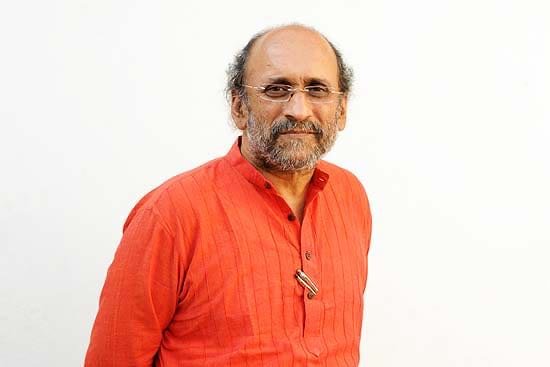
Journalist Paranjoy Guha Thakurta’s website, paranjoy.in, which held twelve years of his reporting and writing, was taken down by its hosting provider on October 28, days after a court order linked to legal notices from Indiabulls founder Sameer Gehlaut.
Thakurta said in a public statement dated October 31 that he found the website and all its pages offline on the morning of October 28. According to him, the hosting company Hostinger suspended his entire account without prior notice and without giving him a chance to respond. The site had been registered for twelve years and served as an archive of his journalism spanning several decades.
The takedown follows a dispute over a single article. In August, lawyers acting for Gehlaut sent Thakurta a legal notice demanding that the article be removed within 24 to 48 hours. Thakurta was then named a defendant in a case, and a court issued an injunction on October 24.
Thakurta said he was preparing to challenge that order before higher forums when the site went down. His legal advisers are pursuing remedies against both the injunction and the suspension of the website, he said.
Rights groups and commentators have criticised the shutdown. Writing on Countercurrents, one commentator called it an attack on press freedom, and asked how a hosting company could shut down a whole archive over legal notices about a particular article.
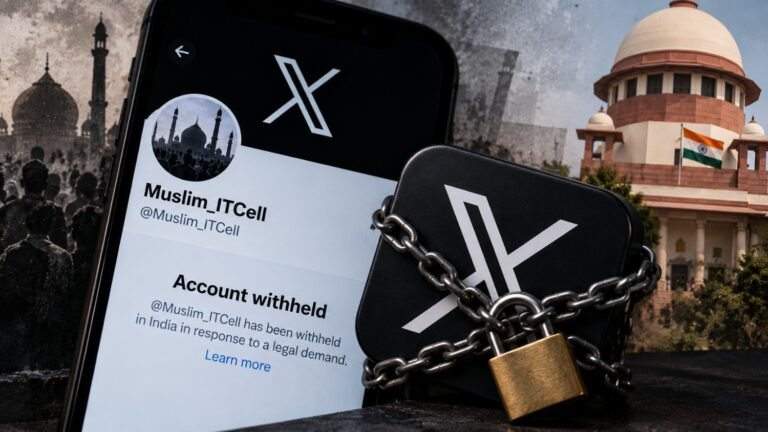
The piece said Hostinger must provide a credible explanation, and that freedom of expression, due process and proportionality must be upheld. Neha, a JNU student leader, said the move set a “dangerous precedent” because a court order about one article cannot be used as a reason to erase an entire archive. Hostinger has not publicly explained the decision.
Thakurta has faced legal pressure from large corporations before. He resigned as editor of the Economic and Political Weekly in July 2017, after the journal took down an article on the Adani Group following a legal notice. He has said that Adani-linked companies filed several defamation cases against him over his writing.
In 2021, a court in Kutch district issued an arrest warrant against him over an article he co-wrote in 2017, which the Editors Guild of India asked the Adani Group to withdraw. Other companies, including Reliance, have also sent him legal notices over his books and reports. He says he has not been taken to court by most of them.
The latest case raises a question that digital publishers have faced before. A hosting company can act on its own on a legal complaint, and can remove a whole site, not just the page in dispute, with no hearing for the publisher. Press freedom groups have long argued that this gives companies with deep legal budgets a quick way to silence reporting.