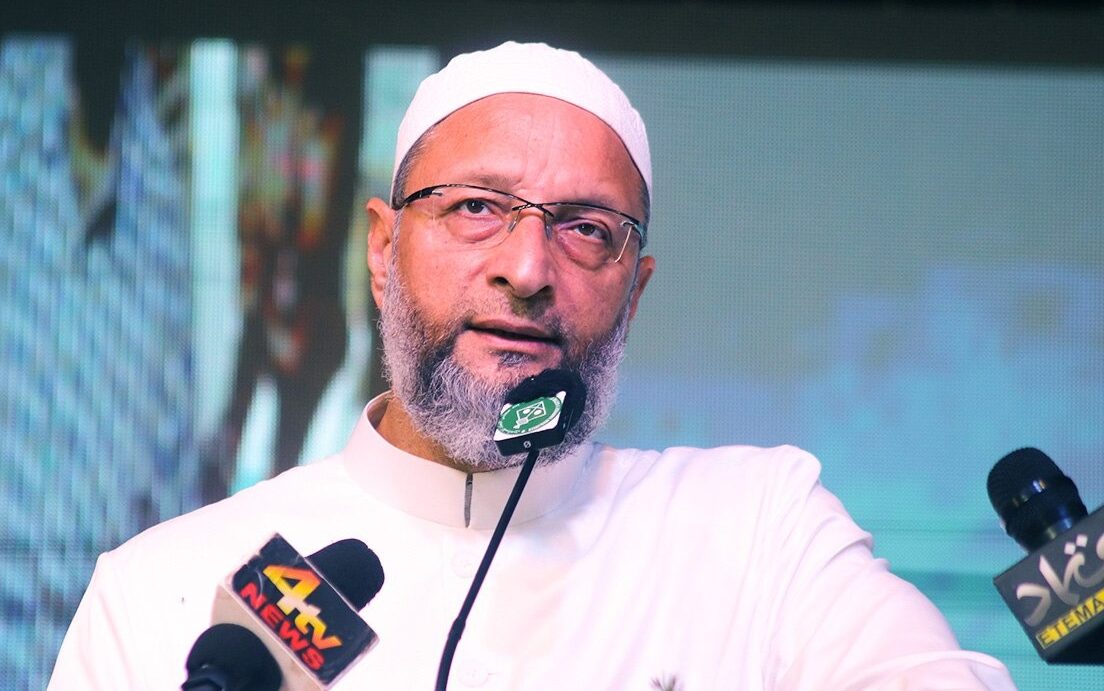
Asaduddin Owaisi’s All India Majlis-e-Ittehadul Muslimeen (AIMIM) has delivered a strong performance in Bihar’s Seemanchal region, winning five assembly seats and emerging as the runner-up in Balrampur and Thakurganj.
AIMIM had fielded candidates in 14 of the 24 seats across Seemanchal’s four districts. According to the Election Commission’s results declared at 6 pm, the party secured victories in Amour, Bahadurganj, Kochadhaman, and Jokihat, while its candidate is leading in Baisi with a margin of more than 27,000 votes.
This outcome marks a comeback for the party, which had won five seats in 2020 but later suffered a major setback in 2022 when four of its MLAs defected to the Rashtriya Janata Dal (RJD). Only AIMIM Bihar president Akhtarul Iman had remained with the party.
On Friday, Iman not only retained Amour but did so with an impressive 100,836 votes, defeating JD(U)’s Saba Zafar and Congress veteran Abdul Jalil Mastan.
In Jokihat, AIMIM’s Mohammad Murshid Alam defeated JD(U)’s Manzar Alam by 28,803 votes, in a four-way contest that also featured brothers Md Sarfaraz Alam (Jan Suraaj) and Shahnawaz Alam (RJD), sons of the late influential leader Tasleemuddin.
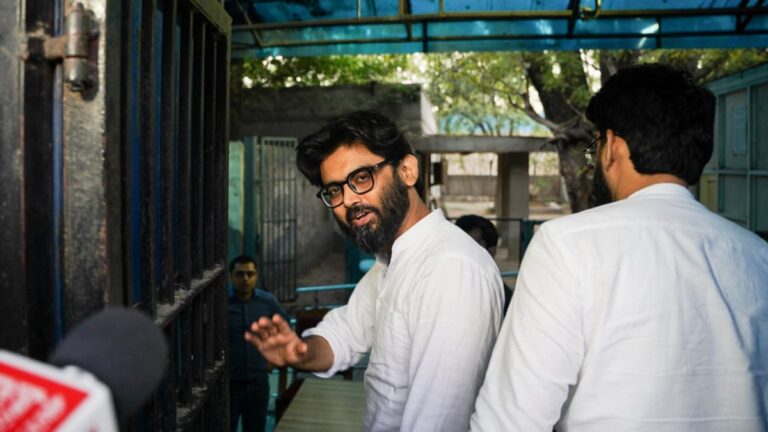
In Bahadurganj, former Congress leader Mohammad Tauseef Alam, now with AIMIM, won by over 28,000 votes.
In Kochadhaman, AIMIM’s Mohammad Sarwar Alam defeated RJD’s Mujahid Alam.
AIMIM supporters say the verdict reaffirms the party’s grassroots presence. “You can take away our MLAs but not our supporters,” Akhtarul Iman had said earlier, a sentiment that party workers echoed again after Friday’s results.
The Jokihat result stands out for the dramatic shift in voter sentiment. Despite JD(U)’s early lead in the first 10 rounds of counting, AIMIM overtook and held the lead through all 26 rounds.
Local political dynamics played a significant role. The longstanding family feud between Sarfaraz and Shahnawaz Alam fragmented the traditional Tasleemuddin vote bank, giving AIMIM an opening. Owaisi’s aggressive campaigning in Uda-Haat, Malharia Haat, and adjoining areas amplified the party’s narrative, leading to a consolidation of Muslim votes behind Murshid Alam.
Jokihat, once considered an unshakable bastion of the Tasleemuddin family, witnessed a decisive tilt as voters shifted away from the divided siblings and toward AIMIM.
Despite several attempts by AIMIM leaders to join the RJD-led Grand Alliance before the election, RJD leader Tejashwi Yadav reportedly remained firm on keeping AIMIM out of the Opposition coalition.
Friday’s results now give AIMIM fresh political leverage in Seemanchal and mark a symbolic “sweet revenge” for the split engineered in 2022, according to party workers.