Amid mounting Opposition pressure, the Centre on Wednesday decided to put the Foreign Contribution Regulation Act Amendment Bill, 2026 on hold in Parliament, following protests led by the Congress and other parties.
The Bill, which proposes changes to the Foreign Contribution Regulation Act, had triggered a political storm over concerns that it would increase government control over non-governmental organisations and foreign funding.
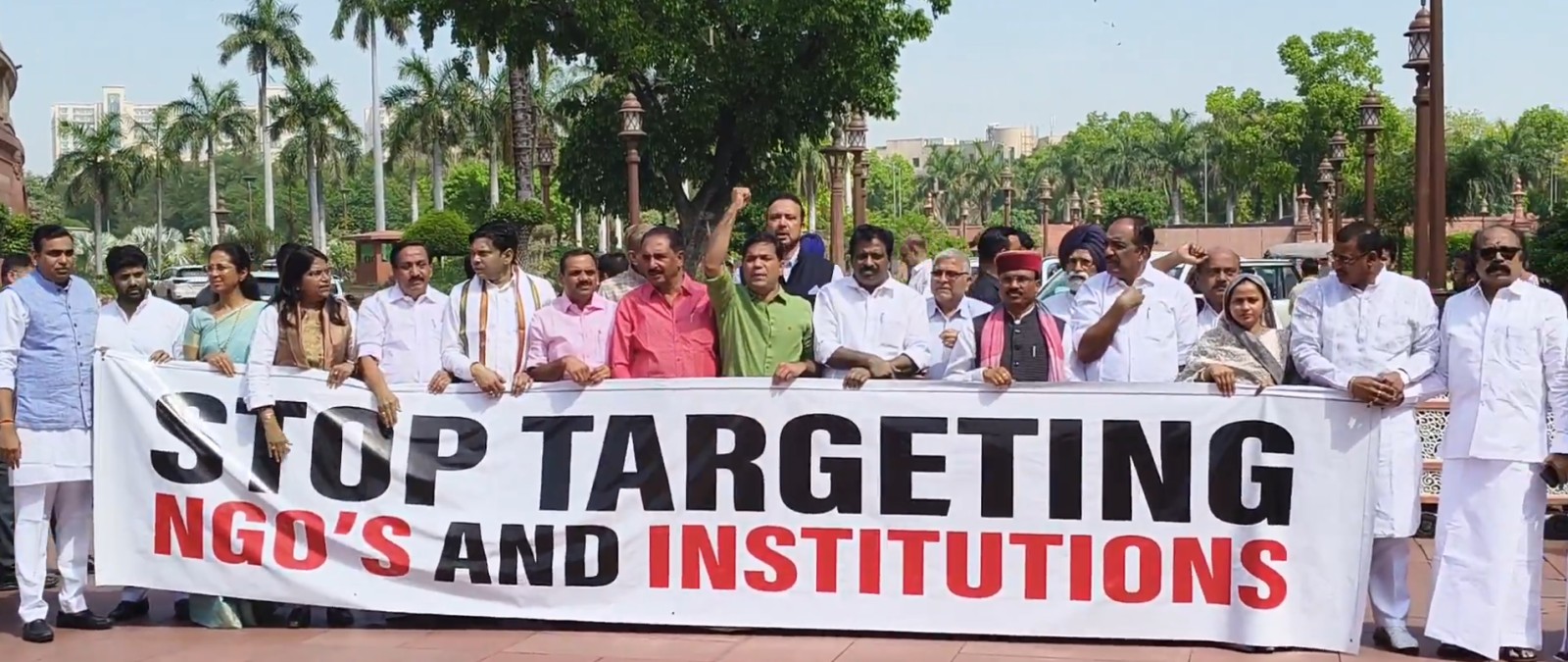
Opposition MPs staged protests inside the Parliament complex, raising slogans and holding placards against the proposed legislation. They accused the government of attempting to tighten its grip on civil society.
Opposition calls Bill ‘draconian’
Several Opposition leaders criticised the Bill as unconstitutional and harmful to democratic functioning. Congress leader Manish Tewari said the proposed amendments “trample and transgress on the fundamental principles of law and natural justice.”
“There is quite a lot of concern with regard to the provisions. We will ensure that the Bill is sent to a Joint Parliamentary Committee or Standing Committee for detailed discussion,” he said.

Opposition parties also alleged that the timing of the Bill was politically motivated, especially with elections approaching in several states. They warned that the changes could impact organisations working on minority rights and social issues.
Key provisions spark controversy
A major point of contention is a provision allowing the government to take over assets created using foreign funds if an organisation’s licence is suspended or cancelled.
Critics argue that such powers could be misused to target NGOs and silence dissent. Some MPs described the Bill as an attempt to “legalise bulldozer justice” against civil society organisations.
Concerns have also been raised that stricter rules and monitoring mechanisms could discourage NGOs from criticising government policies for fear of losing their licences.

Government defends move
The government, however, has defended the amendments. Parliamentary Affairs Minister Kiren Rijiju said the changes are aimed at ensuring transparency and preventing misuse of foreign funds.
“The amendment is meant to regulate foreign contributions, ensure proper utilisation in national interest and strengthen compliance,” he said.
Political and electoral implications
The controversy has gained traction in states like Kerala, where both ruling and opposition parties have opposed the Bill. Chief Minister Pinarayi Vijayan has written to the Prime Minister seeking reconsideration.
Opposition parties have accused the government of trying to “bulldoze” the legislation while they are busy with election preparations, calling it a threat to democracy.
For now, the Centre has stepped back from pushing the Bill forward, but the standoff between the government and Opposition highlights a deeper debate over regulation versus autonomy of civil society in India.