As Eid-ul-Adha (Bakrid) approaches, many animal traders and farmers in several parts of India, including Uttar Pradesh, say fear and uncertainty have affected markets, leading to low business and financial losses.
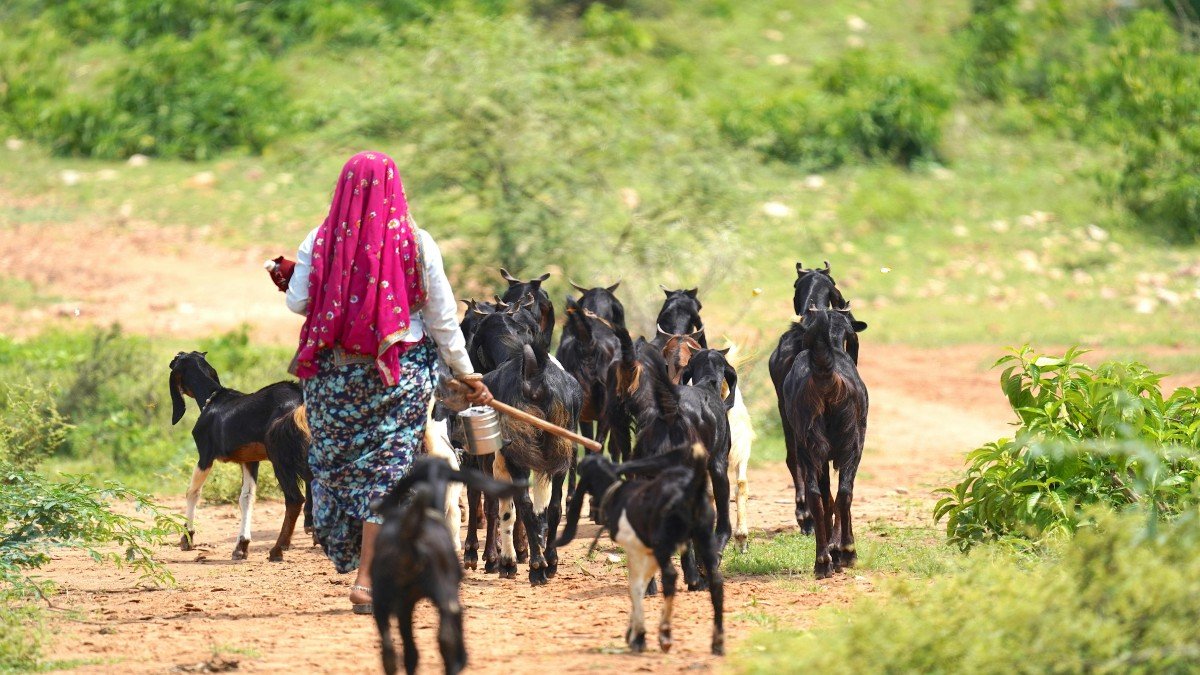
In Saharanpur, traders claim the usual festive activity in animal markets is missing this year as many people are hesitant to bring sacrificial animals for sale. Farmers who raise livestock throughout the year in hopes of earning during Bakrid say they are now facing economic hardship.
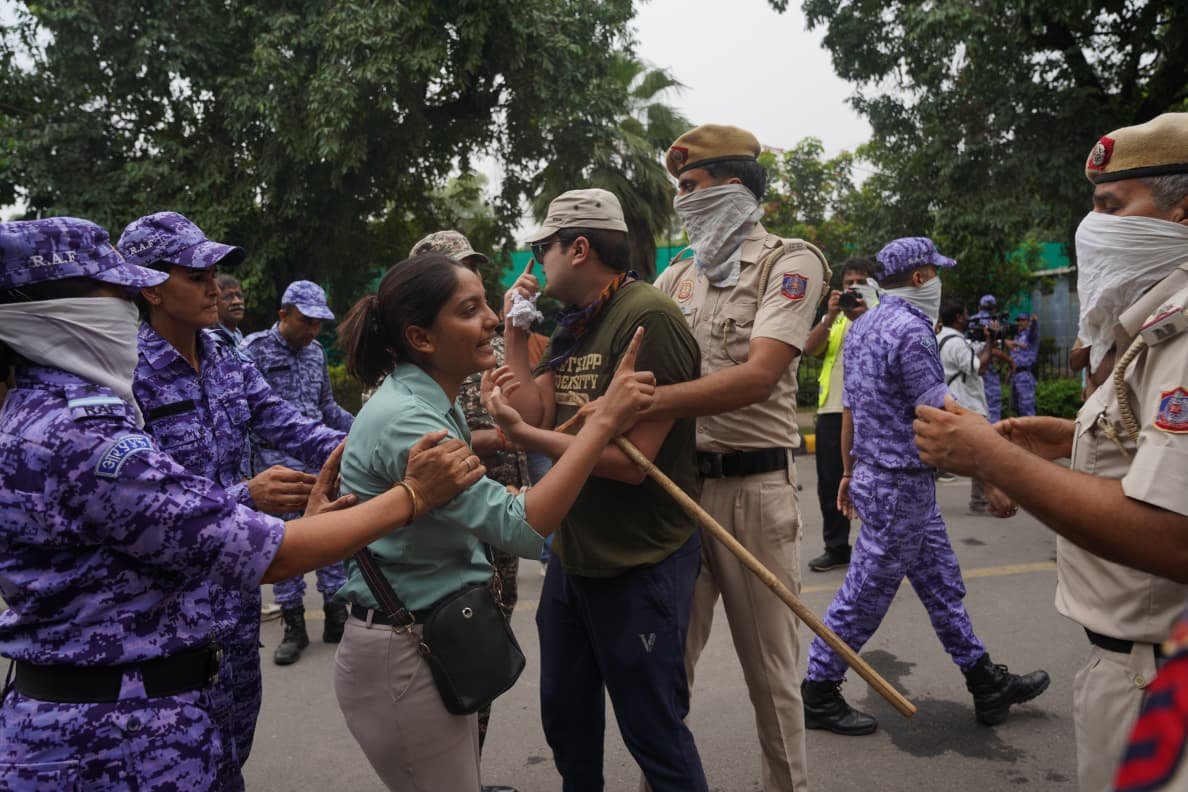
Local traders allege that false complaints to police during animal trading often create panic in markets, discouraging sellers from nearby districts and distant areas from participating.
Saharanpur Councillors Meet Police Officials
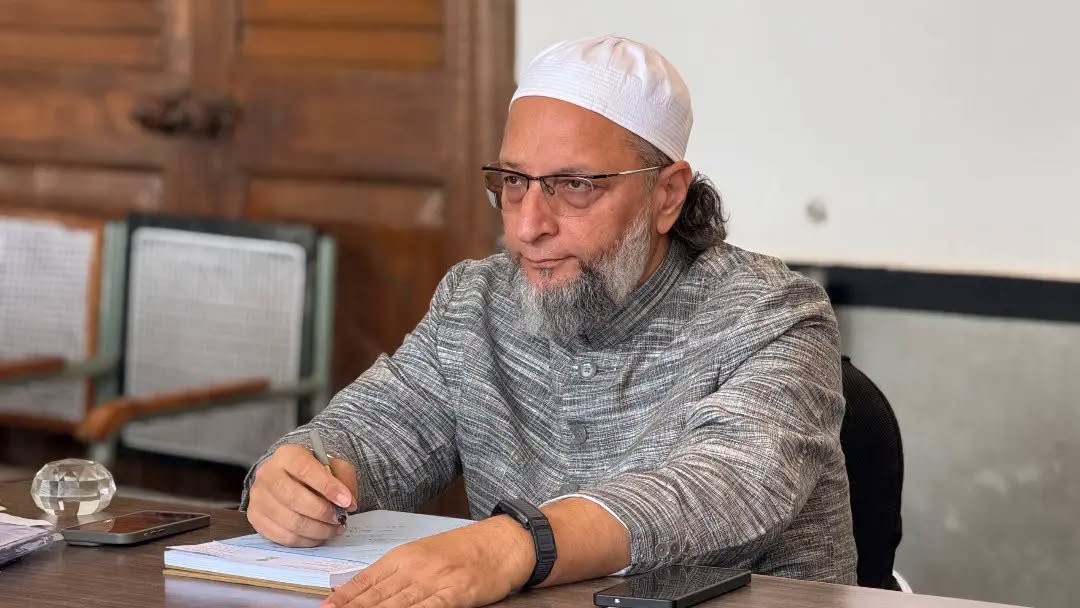
A delegation of municipal councillors in Saharanpur recently met Senior Superintendent of Police Abhinandan Singh and submitted a memorandum seeking measures to ensure smooth functioning of animal markets before Eid.
The delegation, led by councillor Mansoor Badar, said cattle markets have been organised for years at designated locations in the city, including buffalo and goat markets.

According to the councillors, traders from areas such as Gangoh, Deoband and Chilkana, along with nearby districts, visit these mandis every year to sell animals.
They alleged that some people intentionally make false complaints, causing police intervention that creates fear among traders.
“People from distant places begin to feel unsafe when panic spreads after complaints,” members of the delegation reportedly told police.
The councillors requested authorities to act against those allegedly attempting to disturb the atmosphere through false complaints while ensuring cooperation with traders carrying out lawful business.
They also argued that if trading is taking place in an organised manner, authorities should avoid unnecessary disruption and help maintain peace during the festival.

Concerns Over Livestock Trade in West Bengal
Similar concerns have also been reported from parts of West Bengal, where traders claim uncertainty around animal sacrifice has slowed cattle business ahead of Bakrid.
Some local community leaders, including ulemas and imams, have appealed to Muslims not to sacrifice cows, following discussions around restrictions and stricter enforcement related to animal slaughter.
Traders, including some Hindu cattle sellers, have reportedly expressed concern over declining sales, saying the slowdown has hurt livelihoods dependent on the seasonal livestock trade.
However, claims regarding government restrictions and their impact on Bakrid markets vary across regions, and no official statewide policy announcement confirming a blanket ban on sacrificial practices has been cited in the reports.
Economic Concerns Grow Ahead of Festival
For many farmers and livestock rearers, Bakrid is one of the biggest opportunities of the year to recover investments made in raising animals. Traders say uncertainty and fear in some areas are affecting not only Muslim buyers but also the broader rural economy linked to cattle markets.

With Eid-ul-Azha nearing, traders and community representatives are urging authorities to ensure peaceful conditions and prevent disruptions so that markets can function without fear or confusion.