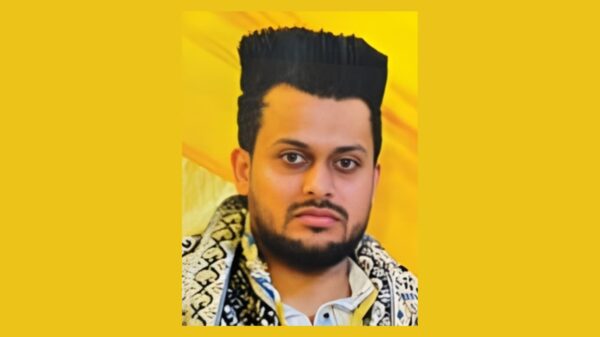









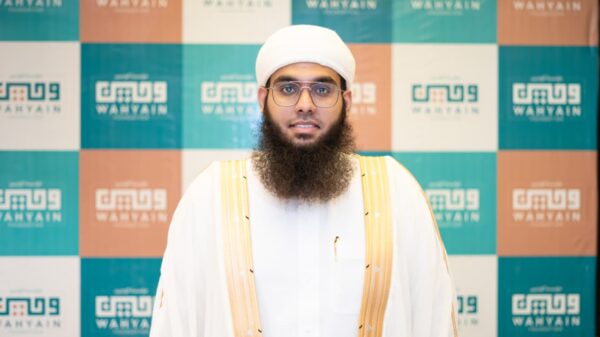
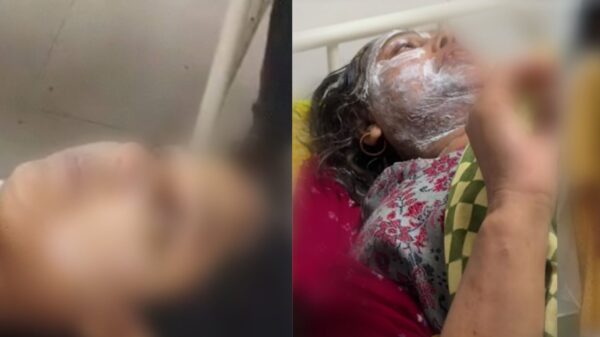










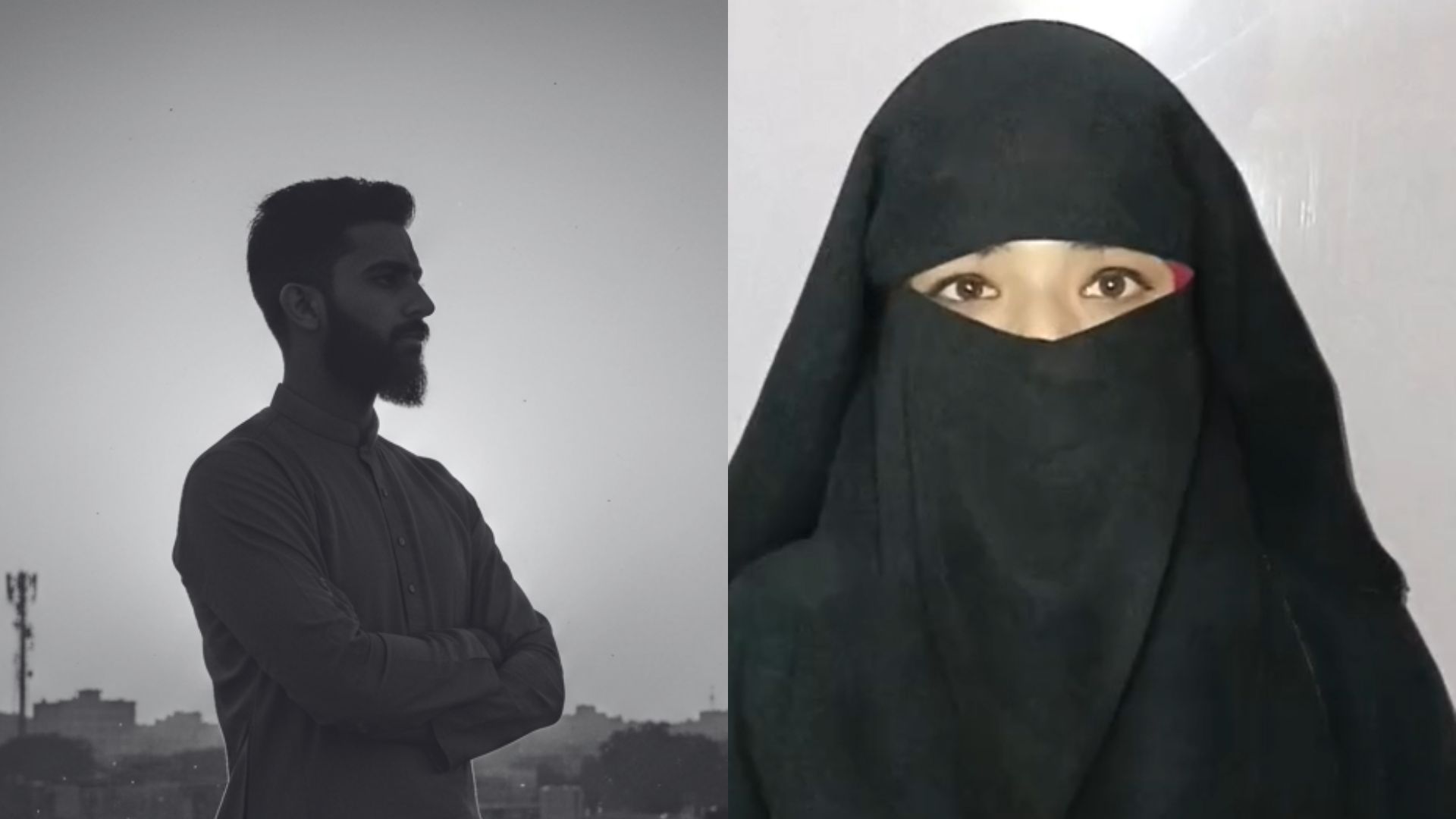
A final-year nursing student, Abubakr Siddique, was barred from the viva exam on December 23 due to his beard. The video of the incident went viral on social media, sparking debate on discrimination based on religious identity. Despite wearing a full uniform, an apron, and a mask, the examiner reportedly kept telling him that he is not eligible for the exam.
Speaking to The Observer Post, he said, “I was told that I was not eligible for the exam due to my beard. When I tried to excuse myself and asserted that I have a beard due to religious reasons, they told me that they do not wish to hear any such reasons as excuses. I then told them that the Gujarat Nursing Council has not made any regulations regarding beards, nor is it mentioned anywhere else. Despite questioning them about where it is written, they neither provided me with a written document nor listened to me. We have five marks for grooming. I told them politely not to give me those marks, but to allow me for the exam, but they did not listen to me.”
Siddique mentioned that earlier, a notice was issued by the Gujarat Nursing Council putting a halt to these restrictions, and the council had also sought an apology for the inconvenience caused to students. The Gujarat Nursing Council sets the rules and regulations for the students. Expressing frustration, he said that despite the notice, the restrictions continue to be in effect.
After nearly two hours of delay, with college intervention, Siddique was finally allowed to appear for his exam. He said that he has faced similar delays for the past three years due to his beard, which he says has impacted him mentally. “I go to the exam hall after working hard, and this is what I face. The Viva exam is difficult since we must be quick in answering. With the disrespectful tone and mental harassment, I was exhausted. Such incidents hint at entrenched Islamophobia rather than an accidental or isolated one.”
Siddique also mentioned that his female classmates who observe the hijab face similar restrictions during every exam. “They remove it since they have no option left. Not just the hijab, they are also forced to remove their veil from their bosoms, and I could see that it is emotionally tiring, just as it is for me, and I feel pity for them. My other Muslim friends also come with a clean shave due to fear of being barred or deduction of marks.”
Similar incidents of restriction have been reported by many Muslim youth during admissions, exams, and job interviews.
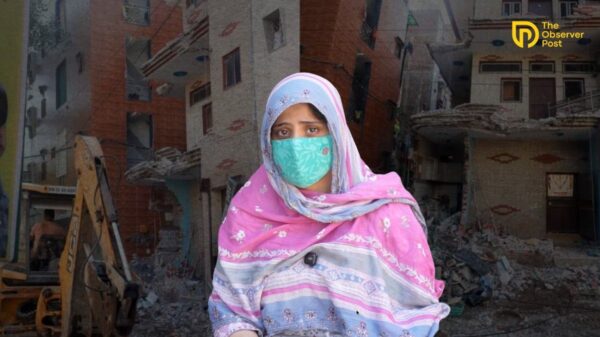
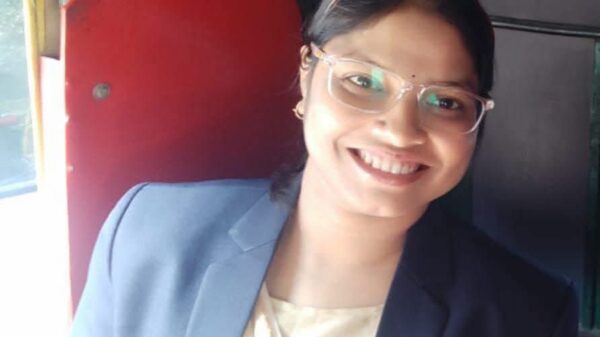
One such student is Jenisha Shah. On December 24, she appeared for her Railway Recruitment Board exam at JSM Infotech in Gujarat, when she was stopped before the entrance and was asked to remove her burkha and hijab. After arguing with the security guard and staff members, who she alleges were rude to her, for more than half an hour, she had no option but to leave without attending the exam. Jenisha has faced such harassment at various places and has often chosen her faith over her career. The rejections did not deter her confidence, and she decided to appear for her Railway exam, unaware that she was about to face yet another setback.
Recalling the entire incident, Shah alleged, “I told them politely to do a proper check to ensure that I had nothing under my hijab with which I could cheat. I also asked them to show me any written proof or a notice that puts a ban on the hijab, but they did not comply. They were so rude to me and told me to better skip exams if I wanted to keep my hijab on. They mocked me by saying that we Muslims are the only ones who argue while everyone else complies with the rules.”
On being asked why the hijab is so important to her that she skipped her exams after months of preparation, she asserted, “I feel that they have attacked my personal choice. My religion is so close to me, and I cannot imagine removing the hijab in front of men when Allah has ordered me to cover myself from them.”
Shah also criticized the government for failing to uphold constitutional promises and the campaign “Beti Padhao, Beti Bachao,” and added, “Ye to aise ho gaya hai ke beti padhao magar exam mat dilvao.”
Jenisha’s friend, Nida Sheikh, has also faced similar issues since she observes the hijab. “I have faced many job rejections because of what I choose to wear. Recently, I appeared for a clerical recruitment examination, and they asked me to remove my hijab and were very rude to me while I was conversing with them. I had to leave.”
Sheikh recalled her college days and said, “Almost four years ago, when I was in college, my friend and I, both Muslim, were often harassed by our college boys, who chanted ‘Jai Shree Ram’ slogans at us when we would enter our class. They mocked us for our identity. In one such incident, a group of boys tried to intimidate us by surrounding us when we were outside. Fortunately, we managed to escape. This kind of harassment continued with our juniors, who used to live in great fear and shock.”
Aliya Assadi, Udupi hijab ban activist, reflected that it pains her to witness growing discrimination in various institutions like schools, colleges, corporate companies, and other arenas that promote equality and claim to be just. She stated, “Repeated discrimination against Muslim students is not accidental. These incidents reflect a deeper pattern of alienation and demonization amid hatred that is turning violent in this country. When religious identity becomes a barrier to education, jobs, dignity, and respect, it signals a failure of the government to uphold constitutional values. Students should be judged based on skills, values, and individual abilities, not by what we wear.”
Assadi then recalled that such exclusion and rejection, especially when one has worked hard and is capable, causes exhaustion and mental stress, and highlighted that it creates self-doubt and a lack of confidence, accompanied by a constant feeling of not belonging.
Appreciating the courage of the girls for taking their stance, she said, “While it’s exhausting and mentally challenging, choosing faith is courageous and worth applauding. My message to Muslim girls and women is that you must remain steadfast and never let the growing Islamophobia weaken your strength, confidence, or faith in Almighty Allah. Choosing to comply with what is fardh (obligatory) on us in our religion is not a criminal offence, and those making it one will be remembered for their hate politics in our history books.”
A.H. Almas, another Udupi hijab ban activist, also expressed similar views and reflected on the mental and financial impact such incidents are having on the community. “The exclusion, hatred, and violence against Muslims are having a serious mental impact on the community. It terrorizes and alienates us. It is very saddening to witness these becoming huge hurdles for aspiring young minds, all due to our religious identity.”
Almas called for action and asserted that everyone must raise their voices against discrimination faced by marginalized communities. “Whenever someone faces injustice, anywhere in the world, we must tell their stories to the world and collectively stand firm to ensure that such incidents are not normalized. I hope that in the future we all work to ensure that everybody gets equal opportunities, respect, and dignity.”
Amid all the discrimination, these students, through their actions, echo their strong faith and firm stand on religious obligations. While many are forced to remove their attire and comply with the rules, many others have echoed similar sentiments — that when it comes to matters of faith, they do not wish to surrender to discrimination and instead choose to show resistance.
What emerges from these accounts is not a series of isolated grievances but a sustained pattern of exclusion. The targeting of hijab-wearing women and bearded Muslim men reflects a deeper normalization of prejudice, where religious identity itself becomes grounds for suspicion and punishment.