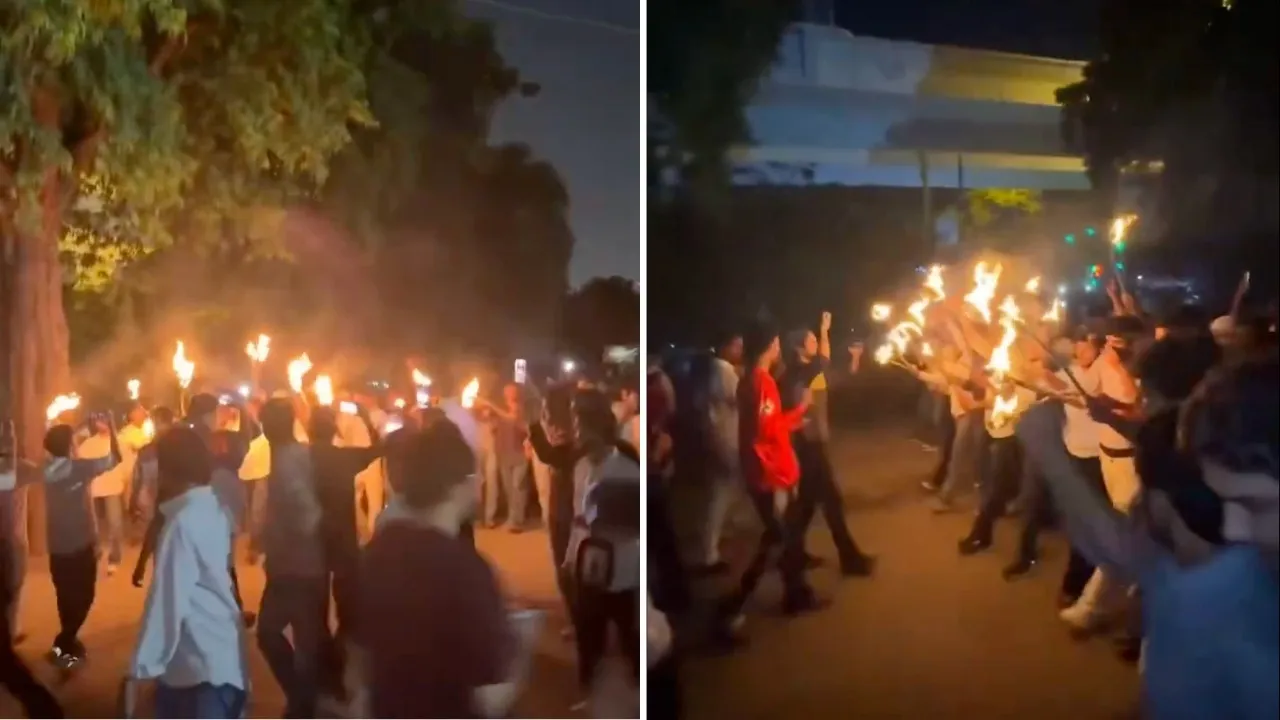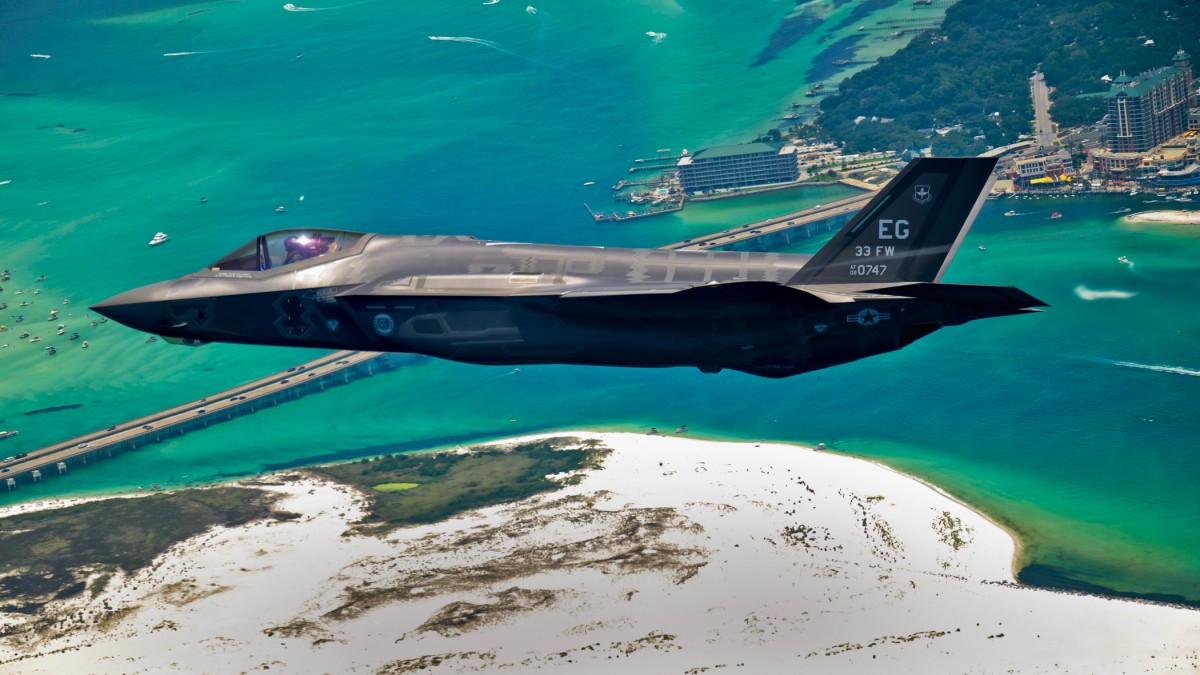
Iran’s semi-official Mehr News Agency reported that the country’s Islamic Revolutionary Guard Corps (IRGC) had shot down a second US F-35 fighter jet over central Iran. According to the report, the aircraft was “completely destroyed,” and the pilot was unlikely to have survived due to the intensity of the explosion.
No confirmation has come from US Central Command (CENTCOM) regarding the latest claim. If true, this would represent a significant blow to US air capabilities, as the F-35 is among the most advanced stealth jets, designed to avoid radar detection in heavily defended airspace.
Previous Incident and US Response
This claim comes nearly two weeks after Iran said it struck a US F-35 Lightning II. At the time, Captain Tim Hawkins, spokesperson for CENTCOM, stated that the aircraft had been forced to make an emergency landing during a combat mission over Iran and landed safely. Two sources told CNN that the jet had been damaged by Iranian fire. The IRGC released video footage purporting to show a missile striking the aircraft mid-air.
“The US military’s F-35 strategic fighter jet was hit and seriously damaged in the central Iranian sky at 2:50 a.m. today by the IRGC’s advanced modern aerospace defense system,” the IRGC had said earlier.

Broader Military Escalation
The report comes amid heightened military activity in the region. Iran has reportedly fired missiles at Israel and some Gulf nations, while explosions were heard in Tehran and the central city of Isfahan. Meanwhile, several US aircraft, including F-15 fighter jets and a KC-135 Stratotanker, have been lost in recent weeks due to accidents or strikes.
The IRGC is also said to have launched around 12 medium-range ballistic missiles from mobile platforms in Khuzestan province, according to preliminary radar tracking and satellite imagery.
US and International Responses
US President Donald Trump issued a warning to Iran, threatening further strikes after attacks reportedly damaged a major suspension bridge linking Tehran and Karaj. Trump urged Iran to agree to a deal “before it’s too late” and suggested that other power infrastructure could be targeted next.
In a White House address, Trump said US military objectives were “nearing completion” but added that American forces would continue to strike Iranian targets “extremely hard” over the next two to three weeks.
French President Emmanuel Macron warned that a military operation to reopen the Strait of Hormuz would be impractical, despite US calls for allies to secure the strategic shipping route.
Warnings and Escalation Risk
Iran’s army chief responded sharply to Trump’s statements, warning that any US troops entering the country would not survive. The latest claims of a second F-35 downing highlight the potential for further escalation in West Asia, raising concerns about the conflict’s impact on global oil supplies and regional stability.
At present, the situation remains fluid, with conflicting reports and unverified claims continuing to shape global attention on the region.