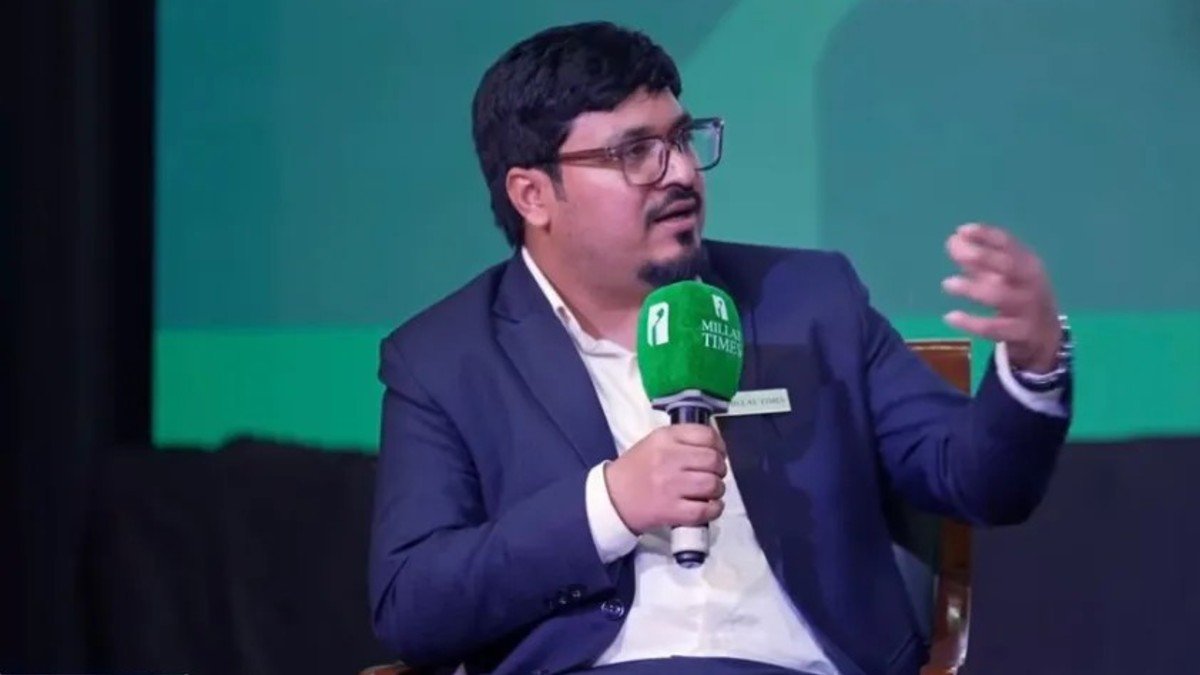
Kolkata Police has issued a takedown request to social media platform X, asking for the removal of a video shared by journalist Shams Tabrez Qasmi.
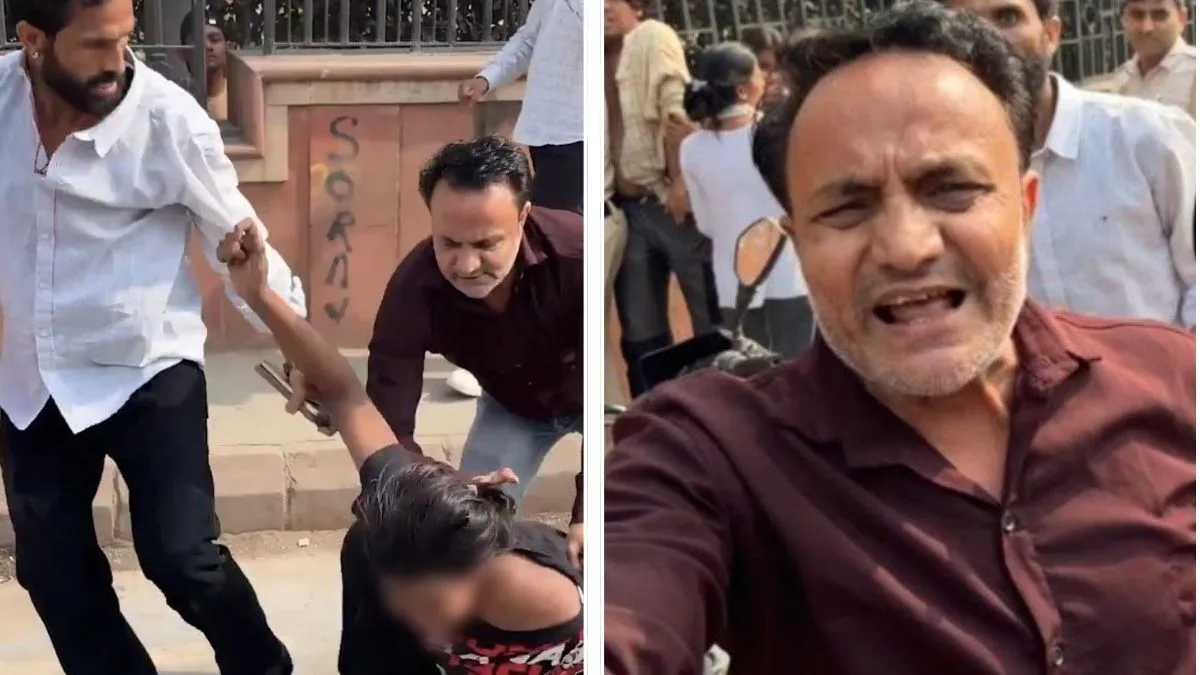
The video, according to police, was linked to reported violence and unrest following the recent election results in West Bengal. Authorities claimed the content was “misleading” and “provocative” and could disturb public order.
The same video had reportedly been shared earlier by others, including political figures such as Trinamool Congress MP Sagarika Ghose, before being posted by Qasmi.
Police Cite IT Act to Request Content Removal
In its notice, police invoked Section 79(3)(b) of the Information Technology Act along with Rule 3(1)(d) of the IT Rules. These provisions allow authorities to direct social media platforms to remove content considered unlawful after receiving official notice.
Officials argued that the video and its commentary could potentially spread communal tension and lead to violence.

However, the police have not publicly announced any direct criminal case against Qasmi so far. Instead, the action was taken through a content removal request to the platform.
Journalist Calls Action an Attempt to Silence Reporting
Qasmi, who is the editor-in-chief of Millat Times, said he only learned about the police action after receiving a notification email from X.
He alleged that the move was aimed at restricting independent journalism and questioned the selective nature of the action.
In his post, he said that several others had shared the same video, asking why only his account was targeted.
Received an email from X with a Kolkata Police letter flagging a video I shared on recent post-election clashes in Kolkata. The letter seeks action against the news content. The same video was shared by many others, including TMC MP @sagarikaghose . Appalled at this attempt to… pic.twitter.com/aRP5eaxh5E
— Shams Tabrez Qasmi (@ShamsTabrezQ) May 9, 2026
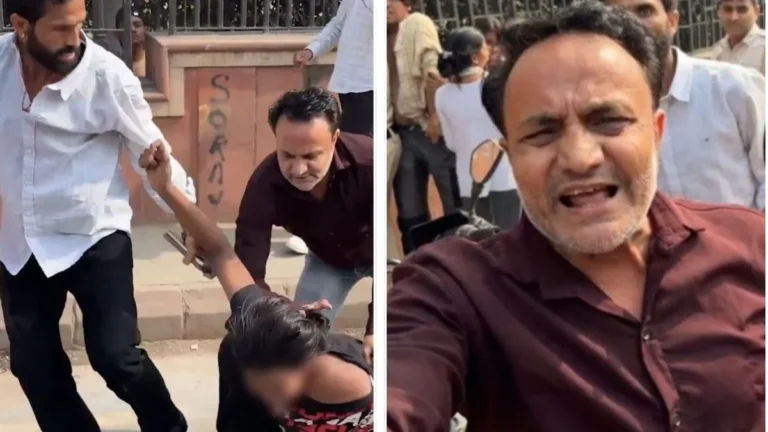
He also pointed to other public figures who had reportedly shared the footage, raising concerns about unequal enforcement.
Concerns Over Selective Enforcement and Digital Censorship
The case has triggered debate among journalists and digital rights activists, who argue that such takedown requests are increasingly being used to control online narratives.
Critics say terms like “misleading” and “provocative” are often vaguely defined, giving authorities wide discretion to act against content that may be politically sensitive.
They also argue that targeting individual journalists while ignoring similar posts by political figures raises questions about fairness and transparency.