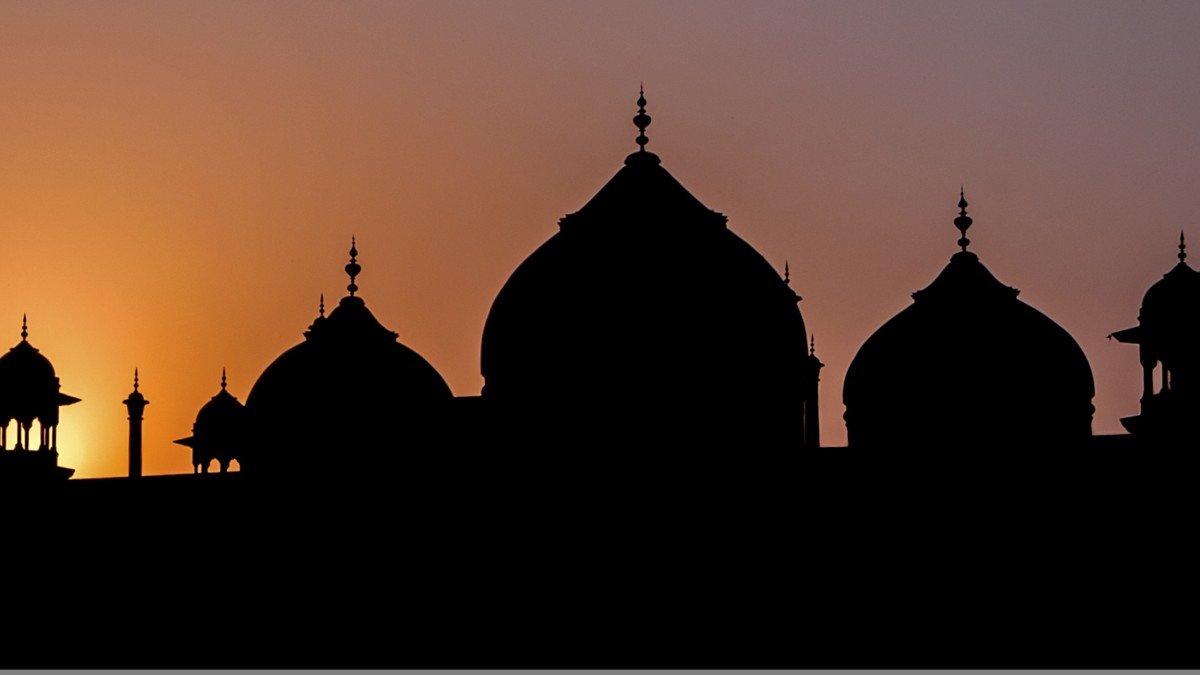
The BJP-led government in Arunachal Pradesh is facing criticism from Muslim groups after authorities sealed all 15 mosques in the state capital, Itanagar. Community leaders have called the move discriminatory and alleged that it reflects growing pressure on Islamic institutions in the region.
The action came after a bandh called by the Arunachal Pradesh Indigenous Youth Organisation (APIYO), a tribal nationalist group that demanded action against what it described as “illegal” mosques in the city.
Following the shutdown, the district administration issued a notice saying an Assistant Commissioner-cum-Executive Magistrate had ordered the sealing of all mosques in the Itanagar Capital Region, including the Jama Masjid. Authorities reportedly said the religious structures were operating without the required legal approvals.
Muslim Body Questions ‘Selective Action’
The All Arunachal Pradesh Masjid Welfare Committee (AAPMWC) has urged the administration to reopen the mosques and questioned what it described as selective enforcement of rules.
Speaking to reporters, AAPMWC member Giah Limpeh Sultan said that if authorities are examining the legality and documentation of mosques, the same standards should apply to religious institutions of all communities.

“The authorities are examining the legality and documentation of mosques in the Capital Region. The same scrutiny should apply to churches, gurudwaras, namghars, temples and other religious structures that may be functioning without complete legal approvals or documentation,” Sultan said.
The committee clarified that it is not against legal compliance but objected to what it sees as unequal treatment. According to Sultan, information obtained through the Right to Information (RTI) Act allegedly shows that several religious structures belonging to other communities are also functioning without full approvals.
Community Alleges Growing Pressure on Islamic Institutions
Members of the Muslim community say the mosque closures are part of a larger pattern of pressure on Islamic institutions in Itanagar.
A local resident associated with mosque affairs, speaking on condition of anonymity, alleged that members of APIYO had earlier objected to maktabs — informal Islamic learning centres where children receive religious education.
“They asked us why we were running madrasas here. We told them these were not madrasas but maktabs,” the resident said.

According to him, 11 out of 14 maktabs in the area eventually shut down after landlords allegedly came under pressure to stop allowing them to operate.
Mosque Committees Say Structures Are Not Illegal
Community members have disputed claims that the mosques are illegal. They said many of the structures were built over the years through donations from worshippers and, in some cases, with the consent of local landowners.
Some mosque committees said they had applied for land allotments, while others claimed they had repeatedly submitted documents to authorities seeking formal approvals.
Another mosque official said many Muslims in the state are reluctant to publicly challenge the closures because of fears of being labelled “outsiders” and facing social or political backlash.
In Arunachal Pradesh, debates around indigenous identity, migration and land rights have remained politically sensitive issues for years, often influencing local tensions and policy decisions.
Administration Yet to Respond to Allegations
While authorities have maintained that the mosques were sealed due to lack of legal authorisation, there has been no detailed public response to allegations of selective targeting raised by Muslim organisations.