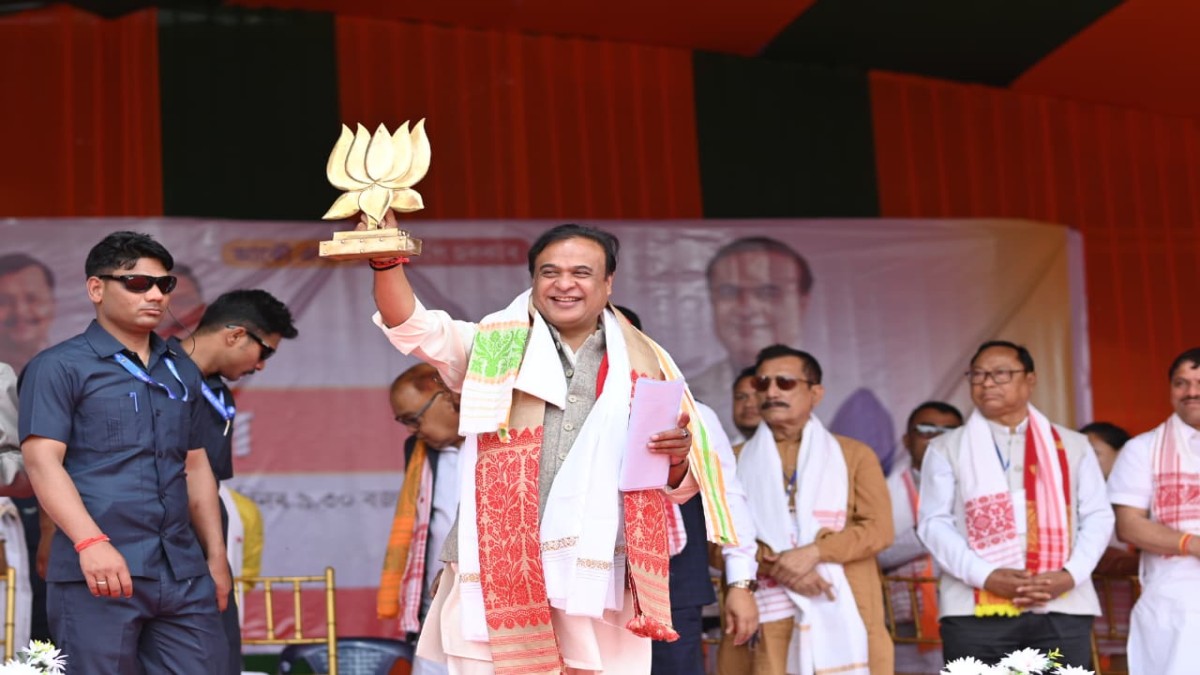
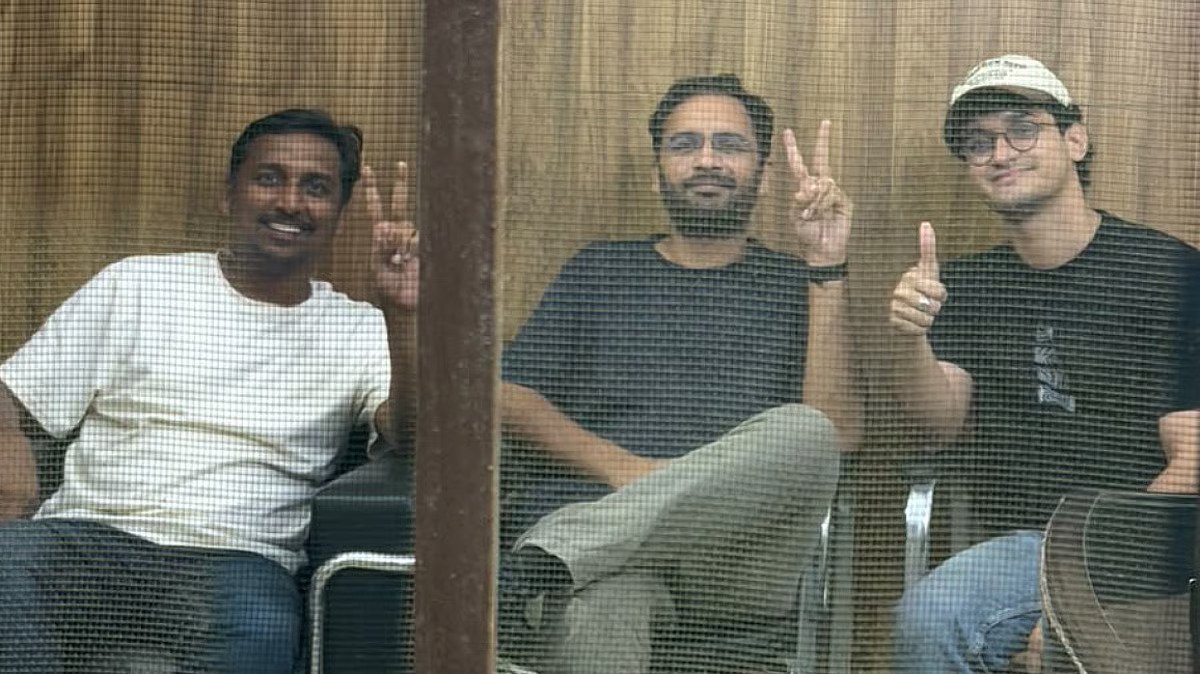
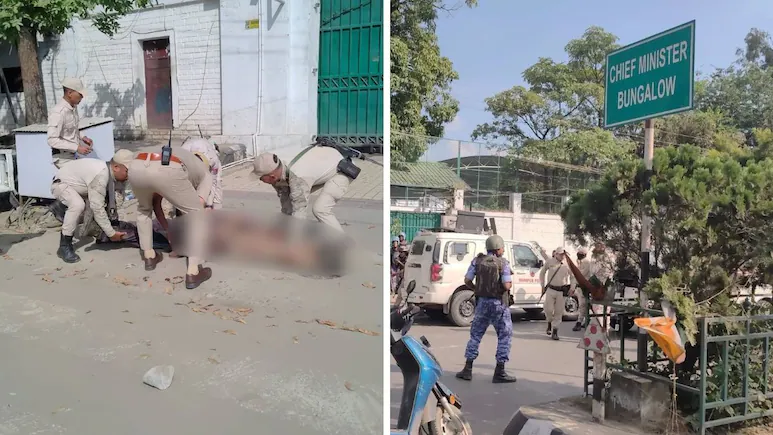
A recent analysis has raised serious concerns over the Special Intensive Revision (SIR) of electoral rolls in West Bengal, pointing to a stark imbalance in voter deletions in Nandigram, the Assembly constituency represented by Suvendu Adhikari.
According to the study, out of 2,826 names deleted from the voter list in Nandigram through supplementary rolls released by the Election Commission of India, as many as 2,700 belong to Muslims. This means that nearly 95.5% of those removed are from the community, even though Muslims constituted only about 26% of the electorate in the 2021 Assembly elections.
Concerns over SIR process and possible bias
Researchers say this sharp disparity raises troubling questions about the conduct and impact of the SIR exercise. Sabir Ahamed of the Sabar Institute, a Kolkata-based research organisation, told The Telegraph the findings suggest a deeper issue.
“The staggering rate of deletion of Muslim voters raises serious concerns about the SIR process and its impact,” he was quoted as saying by the newspaper. “This analysis suggests the process may have been driven by a political agenda to purge Muslim names, which could affect electoral outcomes.”
The SIR exercise, announced in October 2025, aimed to revise electoral rolls by removing names marked as dead, duplicate, shifted or absent. However, critics argue that the scale and pattern of deletions warrant closer scrutiny.
Large number of voters under adjudication
Data shows that over 10,500 voters in Nandigram were marked “under adjudication” in the electoral rolls published on February 28. Across the state, around 60 lakh cases were placed under scrutiny, with judicial officers tasked with verifying claims.
Researchers noted that analysing the exact share of Muslims among those under adjudication has been technically challenging. “Each name carries an ‘under adjudication’ watermark, and if the system cannot read it properly, it cannot be analysed,” said researcher Ashin Chakraborty.
Individual cases highlight uncertainty
For many voters, the issue is not just statistical but deeply personal. Jafar Hussain, a farm labourer from Nandigram, said he was recently informed that his name had been deleted.
“No one can say if my case will be decided in time for me to vote. There are many in my neighbourhood facing the same problem,” he said, adding that he has filed an appeal to restore his voting rights.
Statewide deletions and electoral impact
Across West Bengal, the scale of deletions has been significant. Reports indicate that nearly 90 lakh names have been removed from voter rolls during the SIR process, amounting to roughly 12% of the state’s electorate.
Districts with large Muslim populations have seen some of the highest deletions, including Murshidabad, North 24 Parganas and Malda. During the adjudication phase alone, over 27 lakh voters were declared “excludable”.
While those affected can appeal before tribunals set up under court directions, delays in the process have raised concerns that many may not regain voting rights in time for the upcoming elections.
Political backdrop and high-stakes contest
Nandigram remains one of the most politically significant constituencies in the state. In the 2021 Assembly elections, Mamata Banerjee contested from the seat but lost to Adhikari by a narrow margin, later alleging irregularities.
With Assembly elections scheduled later this month, the findings have intensified debate over electoral fairness, data transparency, and the potential impact of voter roll revisions on democratic participation.