The Supreme Court has refused to interfere with the Uttarakhand High Court’s order granting bail to Abdul Malik, one of the accused in the 2024 Haldwani violence case, while raising serious questions over the application of the Unlawful Activities (Prevention) Act (UAPA) in the matter.
A Bench of Justices Surya Kant and Joymalya Bagchi dismissed the Uttarakhand government’s Special Leave Petition (SLP) challenging the High Court’s bail order, observing that the prosecution had not made a strong prima facie case to justify invoking the anti-terror law.
Supreme Court Questions UAPA Charges
During the hearing, the Bench asked whether the case genuinely fell within the scope of the UAPA, drawing a distinction between a law-and-order problem and a threat to national security.
The court observed that not every incident of violence can automatically attract provisions of the UAPA and indicated that the material placed before it did not clearly establish a prima facie case for invoking the stringent law.
Refusing to interfere with the bail order, the Bench said, “He is not willing to interfere in the bail order of the High Court.”

The judges further observed that a person’s liberty does not depend on how lengthy or detailed a bail order is, but on whether the prosecution has presented sufficient material against the accused.
Government Challenged High Court Bail Order
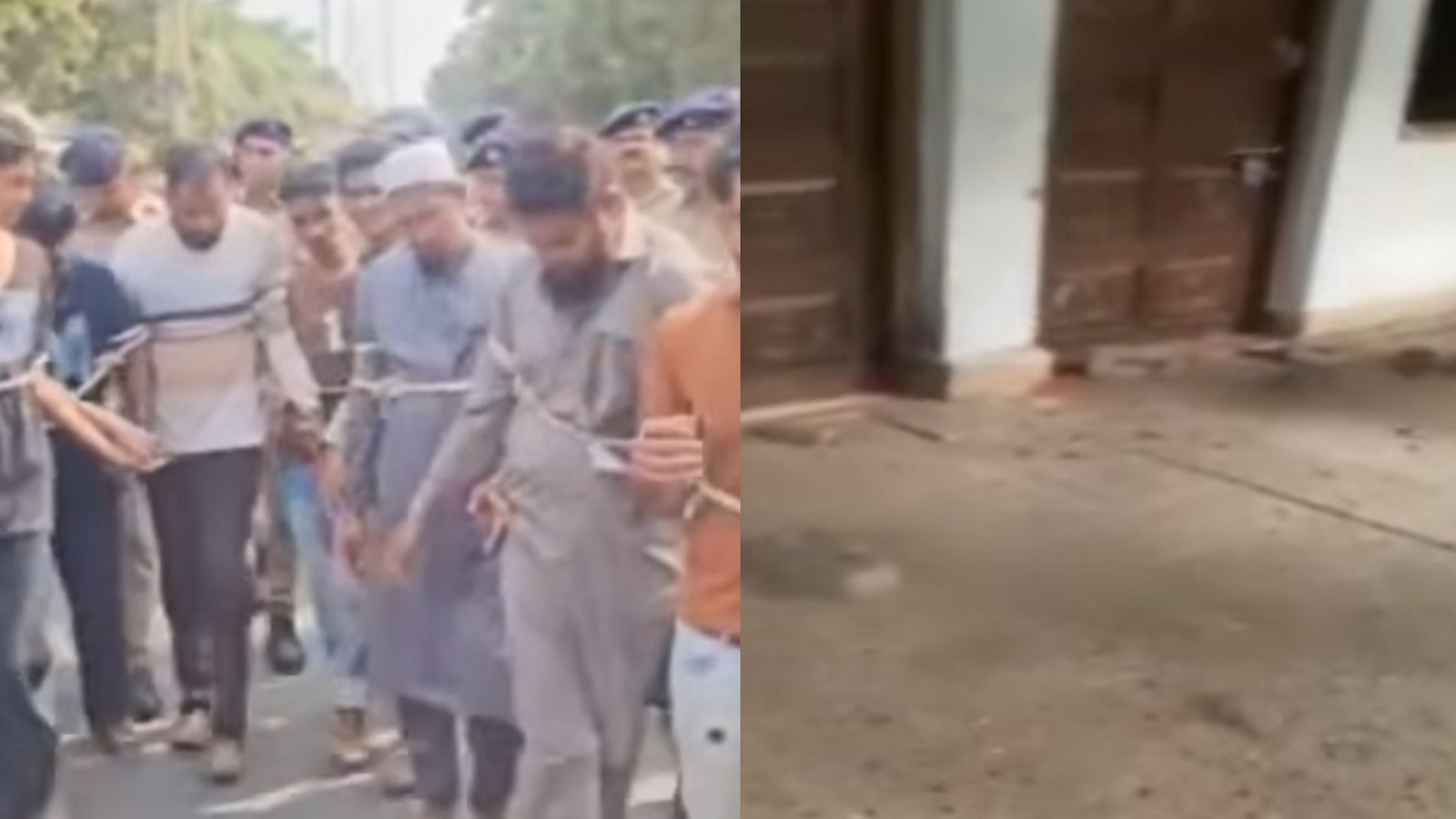
The case relates to the violence that broke out in Banbhulpura, Haldwani, in February 2024 after authorities demolished a madrasa and a mosque. The violence led to arson, stone-pelting, and attacks on a police station.
Police subsequently registered cases against several people, including Abdul Malik, under various provisions of the Indian Penal Code as well as the UAPA.
The Uttarakhand government challenged the High Court’s decision to grant bail, arguing that the court had failed to properly consider the stringent provisions of the UAPA before granting relief.
Appearing for the state, senior counsel argued that Malik’s physical presence at the scene was not necessary because he had also been accused of being part of a conspiracy behind the violence.
Court Notes Delay in Trial
The Supreme Court also took note of the slow progress of the trial, observing that Abdul Malik has remained in judicial custody for nearly two years.
The Bench said that if the allegations against him were as serious as the state claimed, the prosecution should have ensured that the trial proceeded expeditiously.
The court held that bail could not be cancelled merely because the High Court’s order did not contain elaborate reasoning.
During the hearing, it also emerged that the investigation had not found sufficient evidence to establish Abdul Malik’s presence at the scene of the violence.
After considering the submissions of both sides, the Supreme Court declined to accept the state’s arguments and refused to set aside the High Court’s order granting bail to Abdul Malik.