Ashraf Rehman
In the discourse of civil unrest and political instability, the metrics of loss are frequently catalogued in infrastructure destroyed, blockades imposed, and geopolitical boundaries reinforced. Yet, the most profound and enduring costs of conflict are borne not by the factions on the front lines, but by those whose voices are systematically excluded from the tables of power.
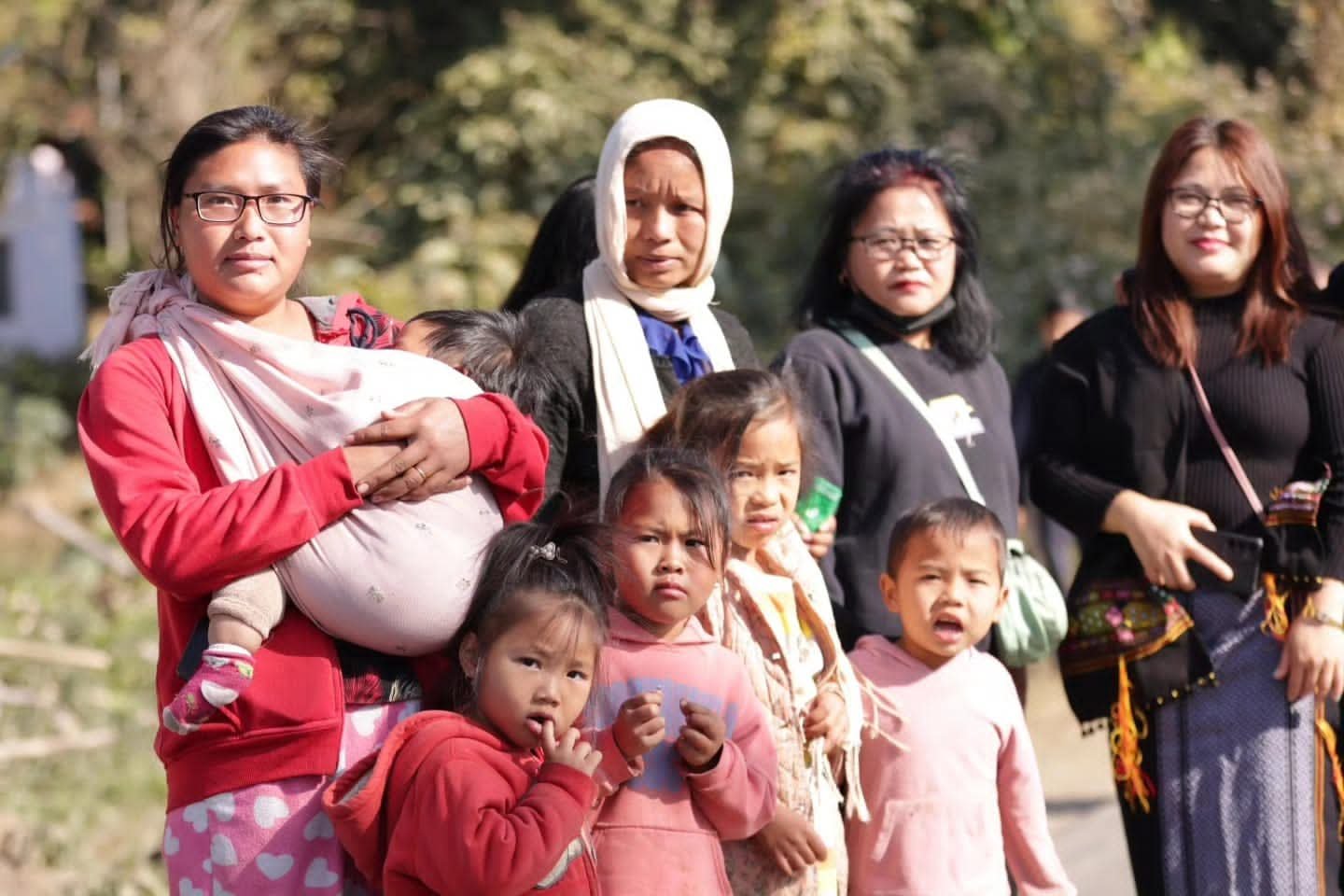
The ongoing conflict in Manipur has led to an immeasurable toll on the most vulnerable section of society: women and children. Beyond the immediate narratives of community identity, an urgent, universal humanitarian crisis has emerged—one that demands an immediate transition from confrontation to sustainable peace building.
The Shared Inheritance of Displaced Lives
The global human rights framework, including United Nations declarations and independent human rights assessments, reveals time and again that modern-day internal conflicts particularly affect the basics of family life and child rearing.
In the case of Manipur, thousands of families have experienced the disconcerting reality of displacement across geographic and social borders. In crowded relief camps and makeshift shelters, the individuality of community stories fades compared to the commonality of struggle. Mothers battle the constant, exhausting task of providing necessities of food, clean drinking water, and sanitation in extremely limited conditions. Displacement for women often does not imply mere change in location but also the disruption of economic self-sufficiency and personal security.
Many people who were formerly economically independent as merchants, farmers, or weavers have seen their means of livelihood completely disappear. The loss of economic self-sufficiency greatly exacerbates the psychological impact of being displaced. As global humanitarian observers note, when the displacement is prolonged, women have the additional burden of addressing their own suffering while being the primary source of emotional comfort for children who do not comprehend the chaotic environment around them.

The true measure of a country’s stability lies in the protection and dignity it guarantees to its women and the future it secures for its children.
The Interrupted Path of Childhood
The effects of ongoing social unrest on children pose a fundamental risk to the long-term future of any area. Education, the most dependable route out of recurring hardship, is consistently one of the initial victims of prolonged turmoil.
In different areas of Manipur, schools have often encountered shutdowns, damage to their infrastructure, or conversion into temporary shelters. This widespread disruption of education threatens to produce a “lost generation”—youth denied consistent learning, mental growth, and the essential social interaction that schools inherently offer.
Outside the classroom, the psychological atmosphere of a conflict area causes profound, unseen injuries. Child development specialists indicate that ongoing exposure to anxiety, societal division, and distrust in institutions disrupts the essential feeling of safety crucial for healthy emotional development. When childhood is marked by instability and the disruption of familiar patterns, the trauma can linger well into adulthood, subtly influencing how future generations perceive governance, justice, and social harmony.
To protect these children is not a political decision; it is a fundamental moral obligation that transcends all administrative boundaries.
The Burden of Safeguarding Dignity
Global reports on internal security issues reveal a concerning pattern: as public infrastructure deteriorates and legal systems are tested, women are increasingly subjected to different types of marginalization and exploitation. The collapse of community safety systems forces women to manoeuvre through a landscape with reduced access to formal safety networks. Healthcare, especially maternal and reproductive services, faces significant limitations, putting pregnant women and infants at risk of preventable health issues.
Moreover, women in these situations often assume the role of sustaining the community. Their responsibilities include upholding social unity, overseeing limited household resources, and protecting their families from outside influences.
However, even though they are the key guardians of social stability, their institutional presence in official peace talks is still quite limited. Authentic, enduring stability cannot be created solely through top-down security strategies that disregard the firsthand insights and experiences of women who navigate the daily survival of their communities.
Need for a Unified Peace Framework
In order to make progress, the primary aim needs to be the complete halt of all violence and the active creation of a peaceful process that is built upon the principles of human security based on individuals’ welfare.
The return to normalcy would demand a collaborative effort, one that includes both local civil leadership, national agencies, and humanitarian organizations in pursuit of common objectives.

Comprehensive Rehabilitation: It becomes essential that immediate attention be paid to improving the conditions of relief camps, providing adequate privacy, sanitation, nutrition, etc.
Economic Independence: Systematic efforts towards enabling the women in these camps to gain economic independence and revive their respective trades.
Educational Stability: A strong educational system needs to be established so that every child has access to the right learning environment.
Reclaiming a Shared Future
Peace does not simply mean the absence of strife but also entails the presence of conditions that allow human beings to prosper. The present state in Manipur marks a critical juncture. Any viable approach to resolution cannot be attained through divisive rhetoric; rather, it needs a unified effort to revive the common humanity of those suffering most from this situation. These women and children in Manipur should have an assured future wherein their schools function as havens of knowledge and their homes as havens of dignity.
It is now imperative for the international community, civil society, and leadership at all levels to come together with one objective: to lessen the conflict and provide a stable foundation for peace. Focusing the restoration process on the interests of women and children allows society to begin healing. Only through consistent efforts towards dialogue and empathy can peace and prosperity prevail for all in Manipur.
The views expressed in this article are the author’s own and do not necessarily reflect the policy of the platform.