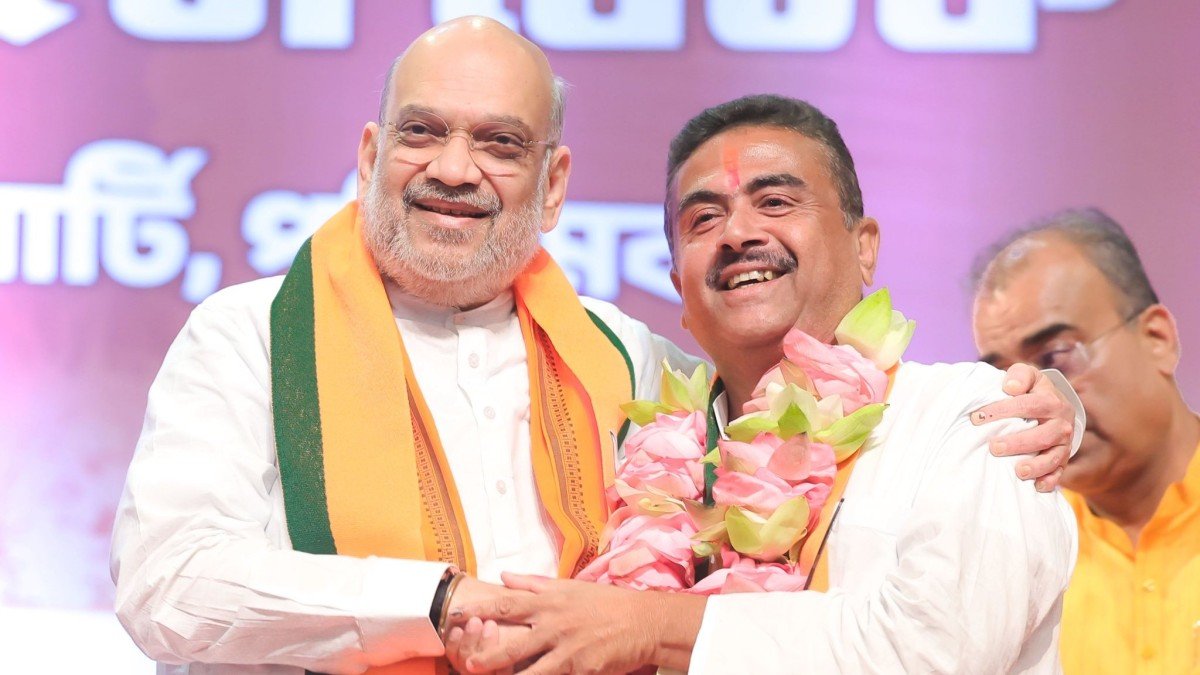
The BJP government in West Bengal, led by Suvendu Adhikari, is expected to introduce the Uniform Civil Code (UCC) Bill in the state Assembly on Monday during the ongoing Budget session, marking one of its biggest policy moves since coming to power.
The decision was reportedly finalised during a Business Advisory Committee meeting held on Thursday evening.
BJP moves ahead of poll promise timeline
The move comes much earlier than the BJP’s own six-month deadline announced during the 2026 Assembly election campaign.
While releasing the party’s manifesto, Amit Shah had promised that the UCC would be implemented within six months if the BJP formed the government in Bengal.
By bringing the bill within just two months of taking office, the government appears to be pushing ahead quickly on one of its major election promises.

Speaking in Kolkata, Adhikari said the state would follow the same legal process adopted by states like Uttarakhand, Gujarat and Assam.
“There is a procedure for UCC implementation, and we will adhere to that. This will be similar to Gujarat and Assam,” Adhikari said.
What is the Uniform Civil Code?
The Uniform Civil Code proposes a common set of civil laws for all citizens, regardless of religion, covering issues such as marriage, divorce, inheritance, adoption and succession.
If passed, it would replace religion-based personal laws with one common legal framework.
The BJP has argued that the UCC will ensure equality before law and strengthen national unity. The party has also said it aims to end practices like polygamy and triple talaq through such legislation.

West Bengal to join other BJP-ruled states
If the bill is passed, West Bengal would become another BJP-ruled state to move towards implementing the UCC after Uttarakhand, Gujarat and Assam.
A minister in the state cabinet said the government is committed to aligning Bengal’s laws with similar reforms introduced in other states.
“Several states have already implemented UCC proposals. Bengal will now also implement it as promised,” the minister said.
Opposition likely to resist
The proposed law is expected to trigger sharp political debate in the Assembly.
Mamata Banerjee and the All India Trinamool Congress have consistently opposed the UCC, arguing that personal laws are tied to religious freedom and community identity.
Opposition parties are likely to challenge the bill both politically and legally once it is tabled.
Major political signal from BJP
Political observers say the early move shows the BJP’s intent to quickly deliver on its ideological promises after ending the Trinamool Congress’ 15-year rule in Bengal.
Alongside the UCC push, Adhikari also announced that the state government will build a national-level Vande Mataram Museum to mark 150 years of the iconic song written by Bankim Chandra Chattopadhyay.