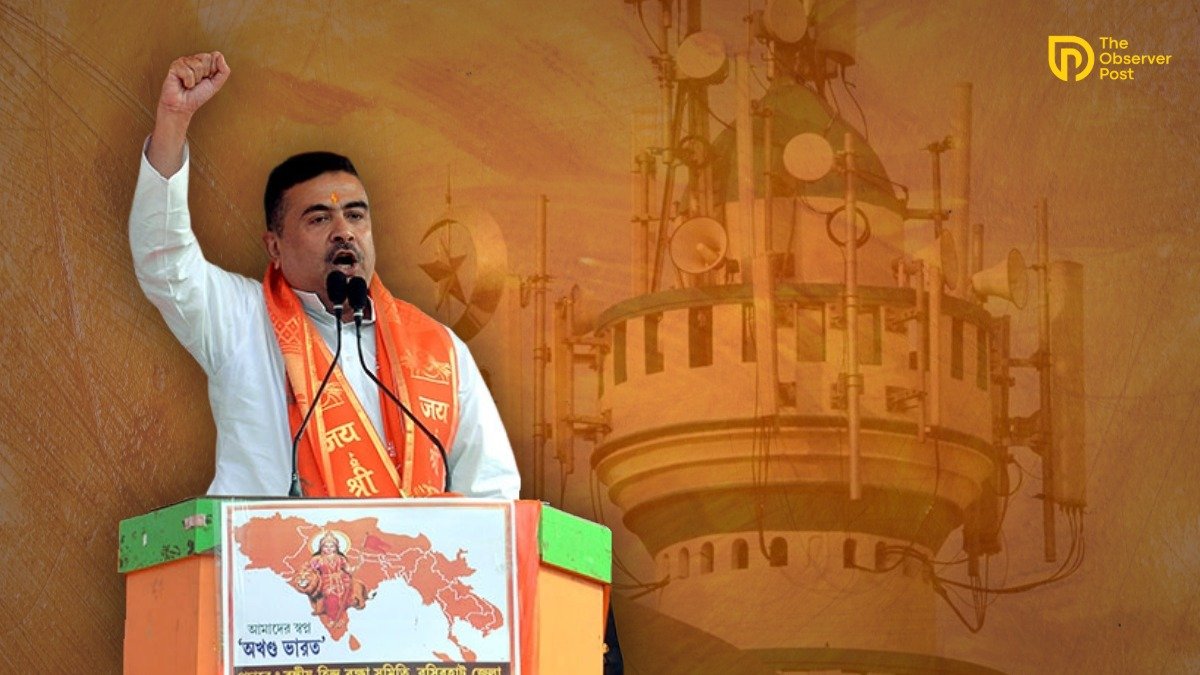
The BJP-led government in West Bengal has issued fresh instructions to police officials to regulate the use of loudspeakers at religious places and ensure that public roads are not blocked for prayers or religious gatherings. The move is part of a broader law-and-order overhaul announced during a high-level meeting in Kolkata.
Officials said the aim is to ensure that sound from loudspeakers does not extend beyond religious premises and that public inconvenience is avoided, except during special occasions.
“The sound from loudspeakers must remain within religious premises and must follow legal noise limits,” a senior government official said.
Focus on law and order, illegal activities and public safety
The directives were issued during the first major meeting chaired by Chief Minister Suvendu Adhikari after taking office. The meeting was held at Nabanna and attended by top police officials including the DGP and senior IPS officers.
According to officials, the Chief Minister issued around a dozen instructions covering multiple areas of governance. These included strict action against illegal coal mining, sand smuggling, cattle trafficking, crimes against women, and post-election violence cases.
“The Chief Minister told us to ensure strict enforcement of law in all cases and act without bias,” a senior officer said.
Roadside prayers and loudspeaker use under scrutiny
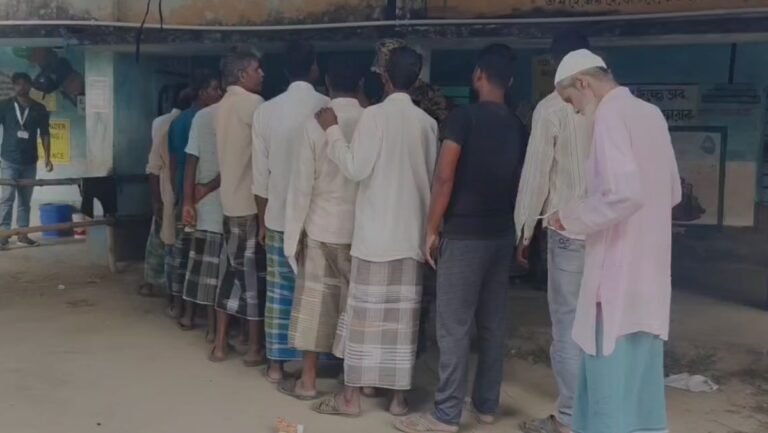
One of the key directives focused on preventing religious activities from blocking roads and causing traffic disruptions. The government clarified that prayers should be conducted inside designated religious spaces.
“Namaz or any religious gathering should not block roads. People are free to pray inside mosques or designated places, but public roads cannot be used for it,” said BJP leader Arjun Singh.
He also added that restrictions would apply to public prayers in certain areas of Kolkata, including Red Road, which has seen large gatherings in the past.
Religious leaders react, express support for law
Some religious representatives have responded positively to the guidelines, saying they are willing to comply if rules are applied fairly to all communities.
Nasir Ibrahim, trustee of Nakhoda Mosque, said, “If such measures are taken, we welcome them as law-abiding citizens. No religious program should block roads. The law must apply equally to everyone without discrimination.”
Jayant Kushary, Principal of Sarba Bhartiya Prachya Academy, also supported the move, saying that religious practices should align with civic responsibility.
“Prayer is a personal and spiritual matter. No religion mandates loudspeakers as essential. Civic responsibility and public convenience must come first,” he said.