The fate of over 23 lakh voters in West Bengal, whose names were deleted from the electoral rolls following the Special Intensive Revision (SIR) 2026, remains uncertain as the appellate tribunals for adjudication of appeals have not yet begun functioning. Monday is the last day for adjudication for voters in 152 constituencies scheduled to go to polls in the first phase. For these voters, the tribunals represent the final recourse after their first appeals were rejected during judicial review.
Voter Adjudication Concerns
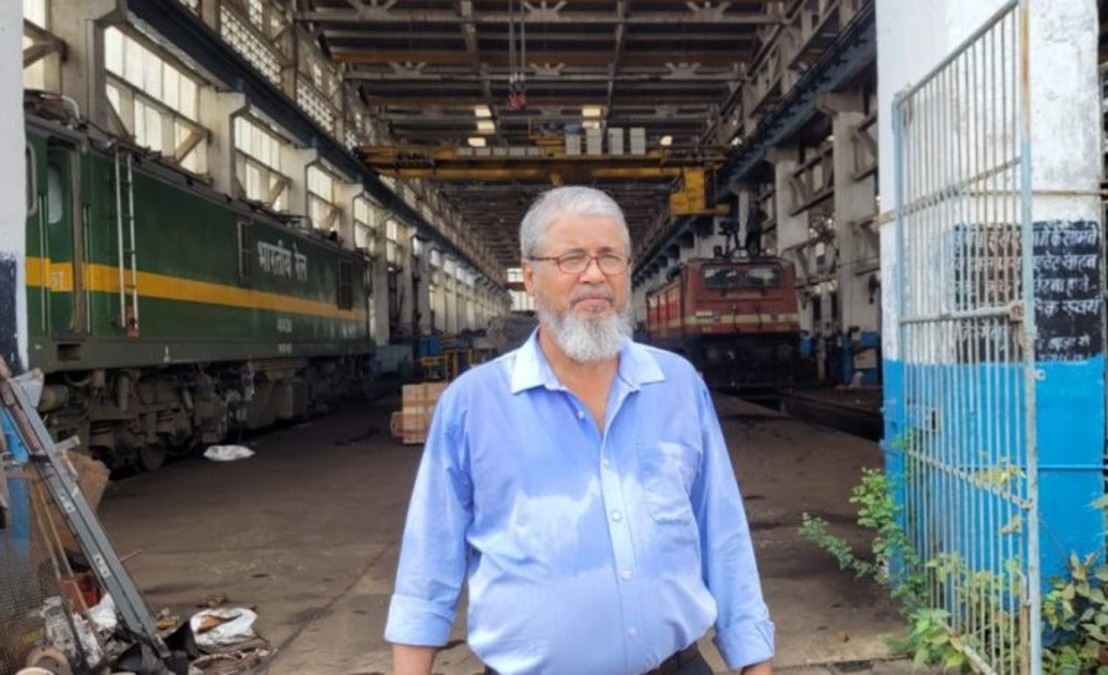
Mohammad Dual Ali, a Kargil war veteran who sustained combat injuries, expressed shock that his name had been marked “under adjudication” despite providing official documentation from the Indian Army. He told The Wire, “Not only that, the names of three other members of my family, two daughters and one son, have also been included in the adjudication list, despite one being a judicial officer.”
Indian cricketer Richa Ghosh, currently representing India in Australia, is also under adjudication. In an official clarification, the Election Commission of India (ECI) stated that although a relative attended the hearing and submitted documents, the case was not disposed of by the local Assistant Electoral Registration Officer or Electoral Registration Officer. Siliguri Mayor Gautam Deb condemned the move, calling it “astonishing hostility” and “an insult to Indian sports and to women.”
Electoral Roll and Adjudication Data
After the SIR 2026, the final electoral roll for West Bengal, published on February 28, established an electorate of 7,04,59,284. However, projections from the National Commission on Population estimate the adult population for 2026 at approximately 7.70 crore. During a Supreme Court hearing on April 1, the Chief Justice of the Calcutta High Court assured that nearly 47 lakh of the 60 lakh claims under adjudication had already been disposed of, with the remaining expected to be processed by April 7.

Electors whose names are struck off during adjudication may appeal to appellate tribunals presided over by former Chief Justices and High Court judges. Although the ECI notified these tribunals on April 20, they are yet to commence operations.
High Rejection Rate and Tribunal Delays
Data shared by the Chief Electoral Officer (CEO) shows that after four supplementary lists, roughly 40% of cases under adjudication have resulted in deletions. Senior advocate Shyam Divan noted that electors under adjudication have a “very high exclusion rate” of about 45%. Of the 60 lakh cases, this means around 23.4 lakh voters have effectively lost their voting rights so far and are eligible to appeal. However, necessary infrastructure for the tribunals has not been established, raising doubts about timely adjudication.
Even as uncertainty persists, voters have rushed to government offices to submit appeals. Many were turned away, with officials citing “government holidays” or poll-related duties, despite senior ECI officials stating that no additional documents were required for offline appeals.
CEO Reviews Poll Preparedness
West Bengal CEO Manoj Agarwal has begun field visits to assess poll preparedness and security arrangements, starting with East Midnapore. As of April 2, nearly 52 lakh of the 60 lakh adjudication cases had been processed by roughly 700 judicial officers. Of these, 55% of names were approved and added to the electoral rolls, while 45% were rejected, leaving those voters eligible to appeal within 15 days.
The CEO’s office clarified that most recent submissions were applications from voters marked “deleted” in the February 28 final roll, not new Form-6 registrations. Guidelines were issued to ensure adequate manpower at polling stations, prioritize women polling parties, and streamline engagement of central and state employees during elections.