Over the years, India has witnessed several air accidents that have claimed the lives of prominent political leaders, leaving the nation in shock and mourning.
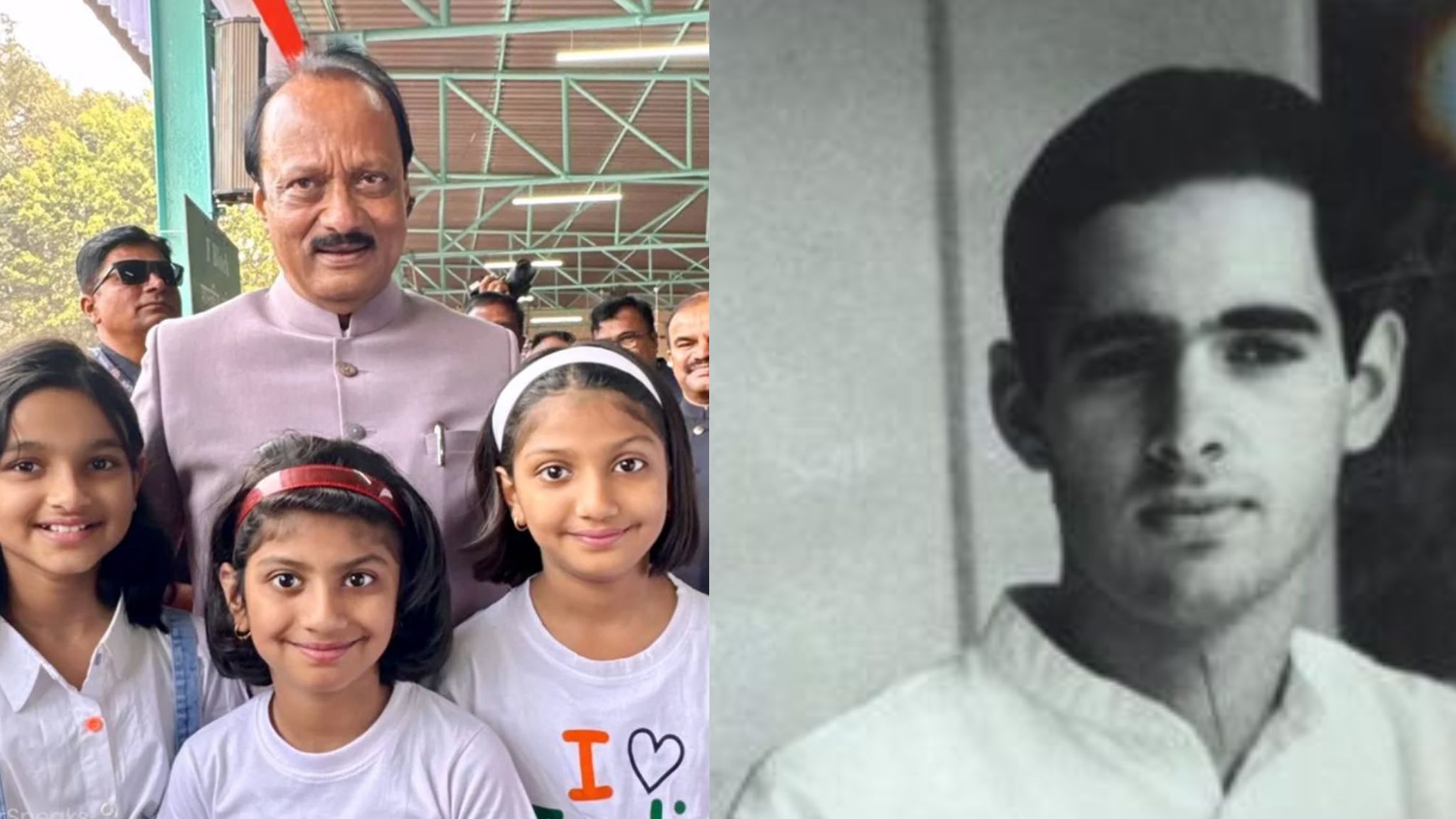
The latest addition to this grim list is Maharashtra Deputy Chief Minister Ajit Pawar, who died on January 28, 2026, after a chartered aircraft crashed while attempting to land at Baramati in Pune district. Pawar, a senior Nationalist Congress Party leader and one of the most influential figures in Maharashtra politics, was 66. The Directorate General of Civil Aviation confirmed that the Learjet 45 caught fire during landing and that all those on board, including Pawar, security personnel and crew members, lost their lives. A DGCA official said, “The aircraft crashed near the runway during landing. There were no survivors, and a detailed investigation is underway.”
Just months earlier, in June 2025, former Gujarat chief minister Vijay Rupani died in a major aviation disaster when Air India Flight AI-171 crashed shortly after take-off from Ahmedabad while heading to London. Rupani was among more than 200 people killed in the crash. His identity was confirmed through DNA testing, and Gujarat observed a day of mourning in his honour. Officials involved in the probe said the investigation examined “technical issues, weather conditions and communication records” to understand the cause of the crash.
In 2011, Arunachal Pradesh chief minister Dorjee Khandu died after a helicopter carrying him went missing in the mountainous Tawang region. The wreckage was found days later in difficult terrain near the China border. All five people on board were killed. Investigators later pointed to bad weather and challenging geography as major factors. A senior official had then said the incident highlighted “the serious risks of flying in high-altitude and remote regions.”
Another widely mourned tragedy occurred in 2009 when YS Rajasekhara Reddy, the chief minister of undivided Andhra Pradesh, died in a helicopter crash in the Nallamala forests. The helicopter had flown into severe weather, leading to the fatal accident. His death triggered massive public grief and political instability in the state.
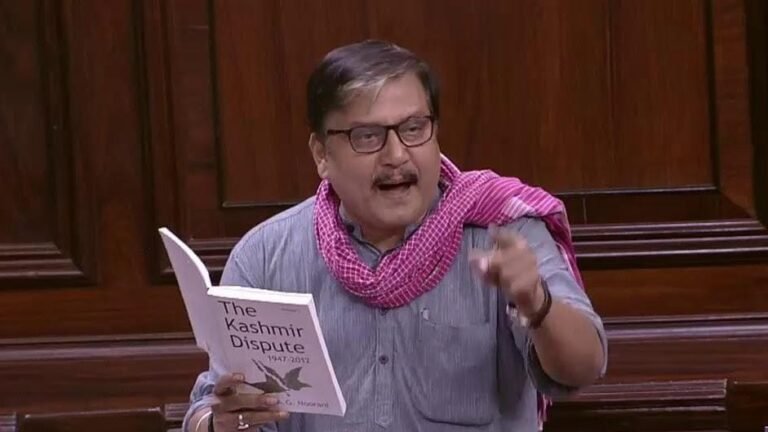
In March 2005, Haryana power minister and industrialist Om Prakash Jindal, along with agriculture minister Surender Singh, died when their helicopter crashed near Saharanpur in Uttar Pradesh. The crash was linked to technical failure and poor visibility, officials said at the time.
India also lost Lok Sabha Speaker GMC Balayogi in 2002 when a helicopter crashed in Andhra Pradesh’s Krishna district amid bad weather. Balayogi was widely respected across party lines, and his death marked a rare moment in parliamentary history. An inquiry later noted that “adverse weather conditions played a crucial role.”
In 2001, senior Congress leader and Union minister Madhavrao Scindia died in a plane crash near Mainpuri in Uttar Pradesh while travelling to a political rally. Investigators cited engine trouble and weather conditions as possible causes. His death was seen as a major loss to national politics.
One of the earliest and most remembered aviation tragedies was the death of Sanjay Gandhi in 1980. The Congress leader and son of former prime minister Indira Gandhi died when his light aircraft crashed near Delhi during a flight. The incident had a lasting impact on India’s political landscape.
More recently, in 2021, India’s first Chief of Defence Staff, General Bipin Rawat, died along with his wife and 11 others in a military helicopter crash near Coonoor in Tamil Nadu. The Indian Air Force later said the crash was caused by “controlled flight into terrain” due to weather-related disorientation.