Restaurants and hotels across several Indian cities are facing an unprecedented LPG crisis, with industry bodies warning that prolonged disruptions could force eateries to shut operations — a situation some restaurateurs say feels “like another Covid lockdown.”
The crisis arises from disruptions in liquefied petroleum gas (LPG) imports following escalating geopolitical tensions in West Asia, which have slowed shipments through key energy supply routes.
As India grapples with the fallout, authorities have moved to prioritise domestic LPG supply for households, a decision that has shortened availability of commercial cylinders used by restaurants, hotels, and food businesses.
Restaurants warn of shutdowns
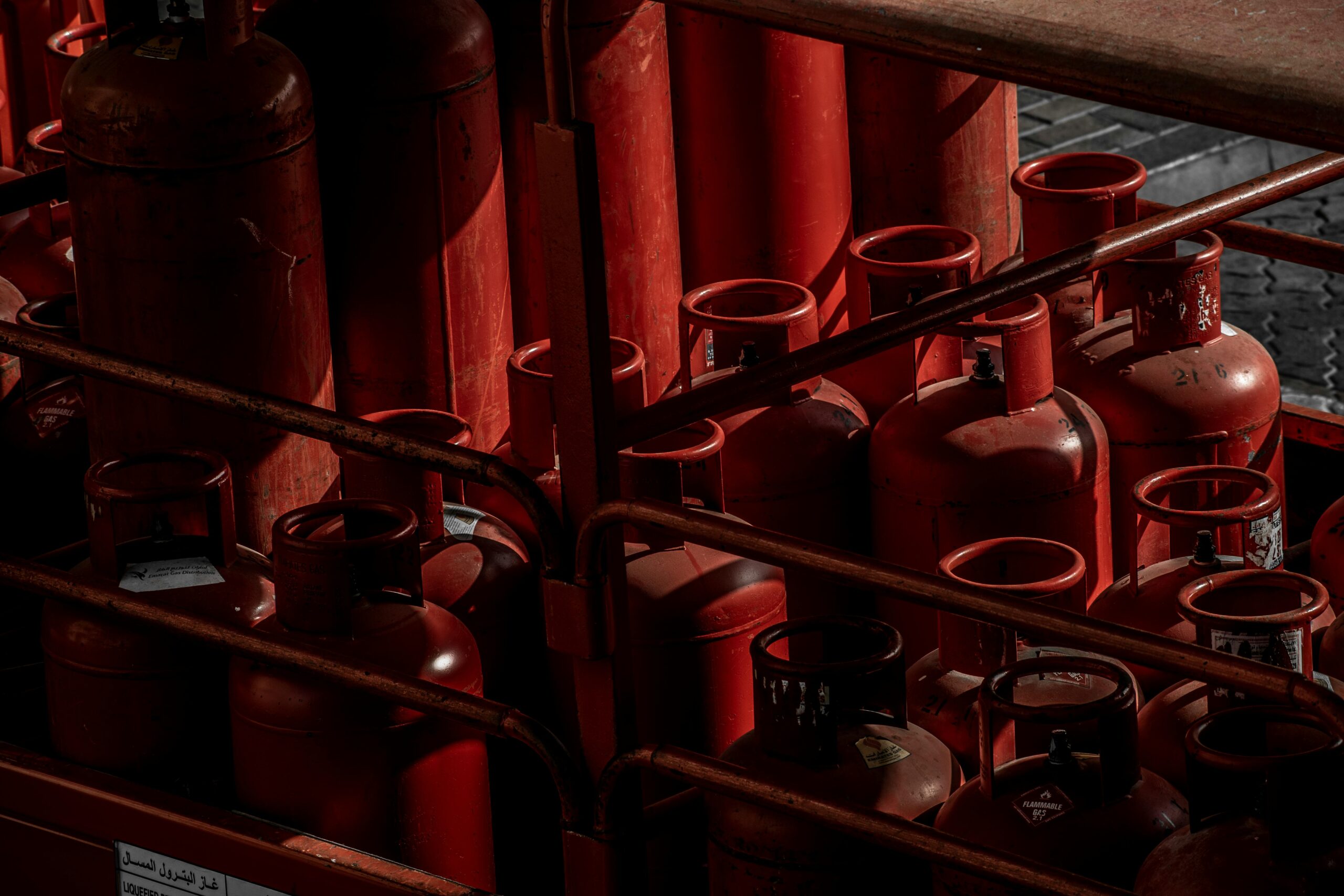
Hospitality industry associations say the situation has become critical in cities such as Bengaluru, Mumbai, and Kolkata, where restaurants depend heavily on 19-kg commercial LPG cylinders for daily cooking.
In Bengaluru, the city’s hotel association warned that many establishments could shut operations if supplies are not restored immediately.
Restaurant owners say their reserves are rapidly depleting. Some chains have reported having only a couple of days’ worth of gas left, prompting contingency planning to keep kitchens running.
Industry groups have already written to Petroleum Minister Hardeep Singh Puri, warning that a prolonged shortage could lead to “catastrophic closure” of a large number of restaurants across the country.
Government prioritises household cooking gas
The government has taken steps to protect domestic LPG supply as energy imports face disruption. Oil marketing companies have been instructed to ensure uninterrupted availability of household cylinders even if it means reducing supply to non-essential commercial users.
Officials have also tightened booking rules for domestic LPG refills, increasing the minimum interval between bookings to prevent hoarding during the crisis.

While authorities insist that household supply remains stable, the shift has created significant challenges for the hospitality sector.
Global conflict hits India’s energy supply
Much of the disruption can be traced to instability in West Asia, where military tensions have affected shipping routes and fuel exports. A major share of India’s LPG imports passes through the Strait of Hormuz, one of the world’s most critical maritime energy corridors.
Any slowdown in shipments from major suppliers such as Qatar and Saudi Arabia can quickly ripple through India’s energy market, where imported LPG plays a crucial role in both domestic and commercial cooking.
India is among the world’s largest LPG importers and depends heavily on overseas supplies to meet its daily consumption needs.
Rising costs add to industry pain
Even before the supply crunch, restaurants were already struggling with rising fuel costs.
Commercial LPG cylinder prices have increased sharply in recent weeks, adding further financial pressure on small eateries and large restaurant chains alike.
For many businesses operating on thin margins, the combined effect of higher prices and irregular supply has forced difficult choices.
Some establishments have started reducing menu items that require more gas to prepare, while others are exploring temporary alternatives such as electric induction stoves.
A sector still recovering from the pandemic
The hospitality industry, which employs millions of workers across India, is still recovering from the severe economic shock of the Covid-19 pandemic.
Industry leaders warn that another prolonged disruption — even if caused by energy shortages rather than public health restrictions — could once again threaten the survival of thousands of small restaurants and food businesses.
If supply chains do not stabilise soon, experts say the LPG crunch could ripple beyond restaurants, affecting food delivery networks, street vendors, and urban consumers who rely heavily on the country’s vast informal food economy.
For now, the government is monitoring the situation closely as it attempts to balance household energy needs with the survival of a sector that forms a critical part of India’s urban economy.