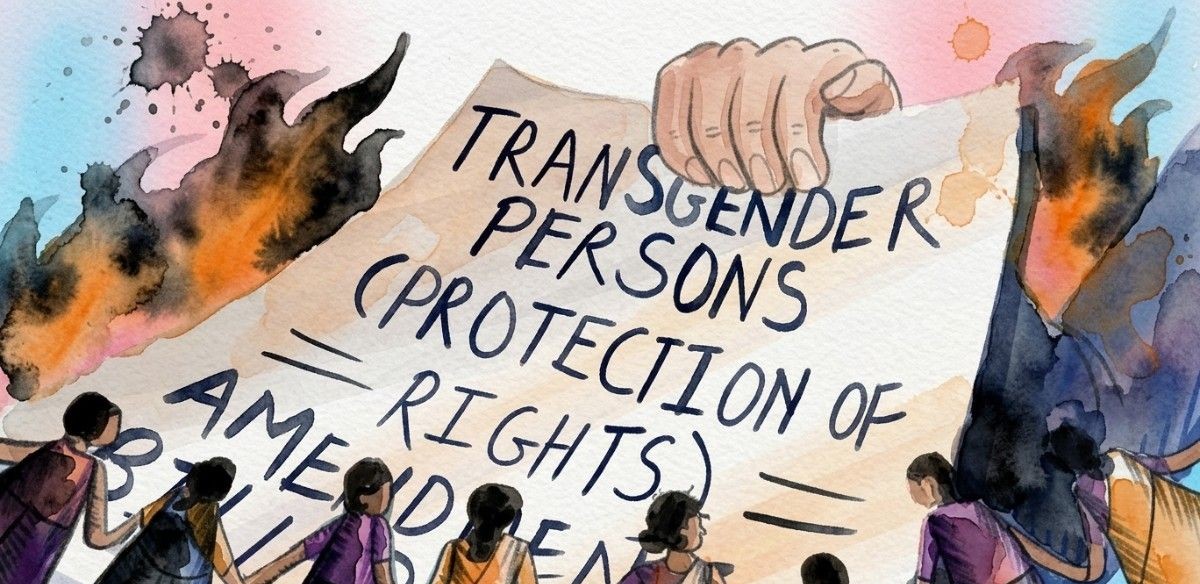
The Lok Sabha on Tuesday passed the Transgender Persons (Protection of Rights) Amendment Bill, 2026, by voice vote, following a walkout by opposition parties that demanded the legislation be sent to a parliamentary committee for further review. The bill, which amends the 2019 Act, removes the right of transgender individuals to self-identify their gender and introduces medical boards to determine gender identity.
Opposition Calls the Bill a Regression
Opposition parties, including Congress, Samajwadi Party, Trinamool Congress, DMK, Shiv Sena (UBT), NCP, and CPI(M), staged a walkout in protest. Congress MP S. Jothimani called the legislation “a regression” and said it “takes away what the Constitution and the Supreme Court have already guaranteed.” She added, “This bill criminalises so-called forcing someone to present as transgender. These provisions are vague, dangerous, and could target families, civil society organisations, and community networks, which often provide the only support a transgender person has.”
Samajwadi Party MP Anand Bhadauria highlighted nationwide protests, asking, “If this bill is meant to benefit transgender people, why are they out on the streets opposing it?” DMK MP T. Sumathy described the bill as a “moral regression” that narrows the definition of transgender identity and expands state control. “Who decides what counts as biological? Who decides what is severe? Since when did dignity become selective?” she questioned.
Congress leader Rahul Gandhi also condemned the bill, calling it “regressive” and an “attack on the constitutional rights and identity of transgender people.”
NDA Supports the Bill, Cites Protection and Accountability
Union Minister for Social Justice and Empowerment Virendra Kumar defended the legislation, saying it is aimed at protecting transgender individuals from coercion or forced medical interventions. “The sole purpose of these amendments is to protect individuals who face severe social exclusion due to their biological condition,” he said. He added that the bill strengthens punishments for crimes against transgender people and introduces measures to prevent children from being coerced into presenting as transgender for exploitation or begging.

BJP allies, including Telugu Desam Party (TDP) MP Byreddy Shabari and Janata Dal (United) MP Alok Kumar Suman, also supported the bill. Shabari argued, “When we are born, doctors determine our sex, and everyone has a birth certificate. Why can’t a transgender person have identification?” Suman said medical certification is a standard practice for SC, ST, OBC, and persons with disabilities to receive welfare benefits, adding, “This legislation ensures accountability and gives confidence that transgender persons are equal citizens.”
Pratap Chandra Sarangi, BJP MP from Balasore, argued that self-identification could be misused if the government introduces reservation benefits. “This bill protects transgender people from infiltrators while giving them prestige and a scientific approach for identity verification,” he said.
Hasty Passage and Criticism
The bill was passed in roughly two and a half hours, despite opposition demands for referral to a standing committee. Parliamentary Affairs Minister Kiren Rijiju insisted that the legislation be discussed and passed immediately, postponing the Finance Bill to Wednesday. “The amendment has already been discussed in the standing committee for a year. It is not against anyone. We only want to remove shortcomings,” he said.
Opposition MPs questioned the urgency and called the law an invasion of privacy. NCP MP Supriya Sule said, “We are alarmed that the government wants to certify feelings and emotions through medical boards. The bill should have gone to a committee for consultation.” Congress MP R. Sudha added, “Transgender and queer identity is about feelings and self-realisation. How can a medical board diagnose emotions?”
Concerns About Erasure and Rights
Critics said the bill erases trans men and non-binary persons, restricts self-determination, and risks criminalizing families, NGOs, and community networks supporting transgender people. They argue it undermines the 2014 NALSA Supreme Court judgment, which recognized the right to self-identify gender as a constitutional right.

Despite these concerns, the bill was passed without amendments after the opposition staged a walkout. The law now empowers medical boards and district magistrates to issue transgender identity certificates, effectively centralizing control over gender recognition.
Union Minister Virendra Kumar concluded, “This Act is meant to protect the most vulnerable, ensure legal recognition, and prevent coercion. Transgender people will continue to have their rights protected under this law.”