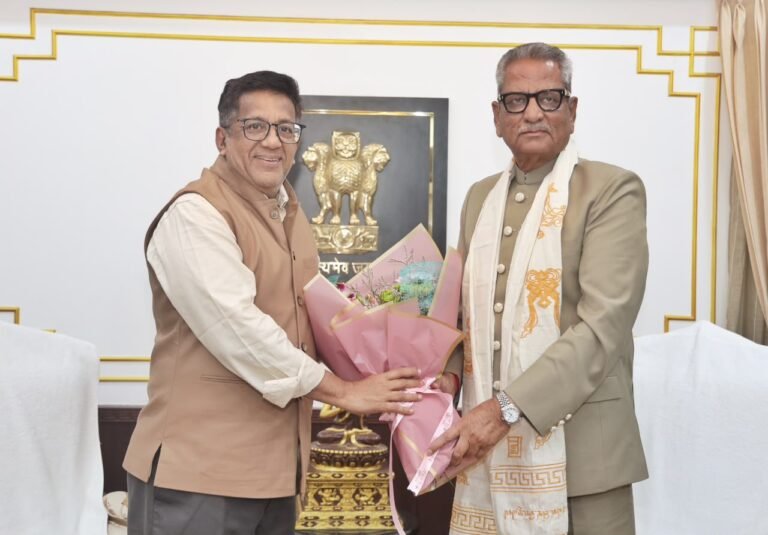
The Muslim side in the long-running dispute over the Bhojshala-Kamal Maula Mosque Complex on Monday strongly challenged the findings of the Archaeological Survey of India (ASI) before the Indore Bench of the Madhya Pradesh High Court.
Senior Advocate Salman Khurshid, appearing for the Maulana Kamaluddin Welfare Society, argued that there was no concrete proof showing that a temple existed at the disputed site before the mosque.
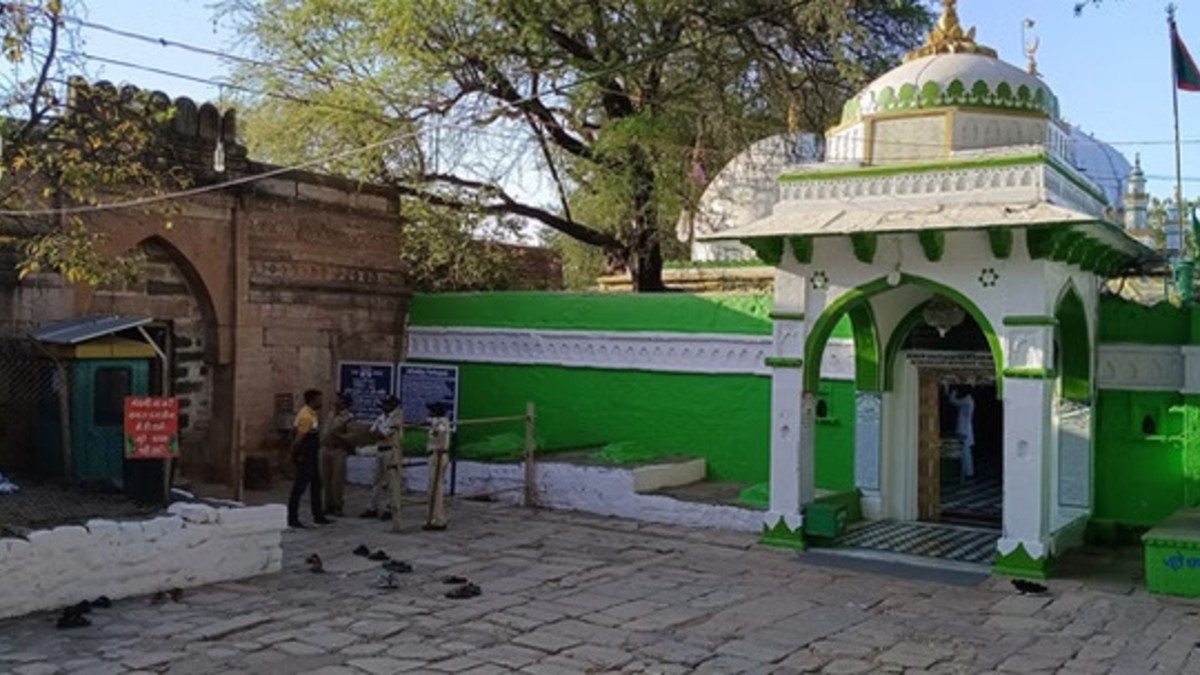
The Hindu side claims Bhojshala was originally a temple dedicated to Goddess Saraswati, while the Muslim side maintains that the structure is the Kamal Maula Mosque. The site is protected by the ASI.
‘No Direct Evidence of Temple Demolition’
During the hearing before Justice Vijay Kumar Shukla and Justice Alok Awasthi, Khurshid argued that the petitions filed by Hindu groups were mainly challenging the ASI’s 2003 order regulating worship at the site and did not specifically seek declaration of ownership or title.
“There is an assumption that title does not need to be established and merely on Article 25 rights can be claimed,” Khurshid submitted.
Referring to the Ayodhya judgment, he said that case involved the deity Ram Lalla Virajman as a legal party, whereas no such juristic deity had been made a party in the Bhojshala matter.
Khurshid further argued that the ASI report, inscriptions and historical material did not provide “direct specific evidence” that a temple had been demolished to build the mosque.
“At best, these are inferences and retrospective interpretations,” he told the court.
Muslim Side Calls ASI Report ‘Biased’
The Muslim side also accused the ASI of preparing a “biased” report to support claims made by Hindu petitioners.
According to the objections filed by the welfare society, the ASI repeatedly used the term “Bhojshala Temple” throughout the survey report despite there being no conclusive historical evidence establishing the existence of such a temple.
Khurshid also questioned the excavation process carried out during the ASI survey ordered by the High Court in 2024.
He alleged that continuous videography of the excavation was not provided to all parties and that most video clips supplied were less than 45 seconds long.
Questions Raised Over Excavated Artefacts
The senior advocate alleged that some artefacts recovered during the survey appeared suspiciously clean despite supposedly being buried underground for centuries.
He pointed to photographs showing plastic bottles and modern objects near recovered artefacts.
“Plastic was not invented in the 13th or 14th century,” Khurshid remarked in court while questioning the credibility of the excavation process.
He also claimed that a Buddha statue recovered during the survey was not mentioned in the ASI report.
According to Khurshid, some pillars and artefacts may have been “brought from outside and placed inside” the complex to influence the narrative surrounding the site’s religious identity.
Dispute Over Historical Interpretation
The Muslim side further argued that inscriptions mentioning “Saraswati Sadan” and centres of learning did not necessarily prove the existence of a temple.
Khurshid said such references could indicate an educational or cultural institution rather than a place of worship.
“Places of learning were known to host idols of Saraswati,” he argued.
He also questioned why carbon dating and other scientific tests were not properly conducted despite directions from the court.
The hearing in the case will continue on Tuesday.
The ASI had conducted a 98-day scientific survey of the disputed complex in 2024 following directions from the High Court. Its report reportedly concluded that the present structure contains remains of earlier temple architecture dating back to the Parmar period.