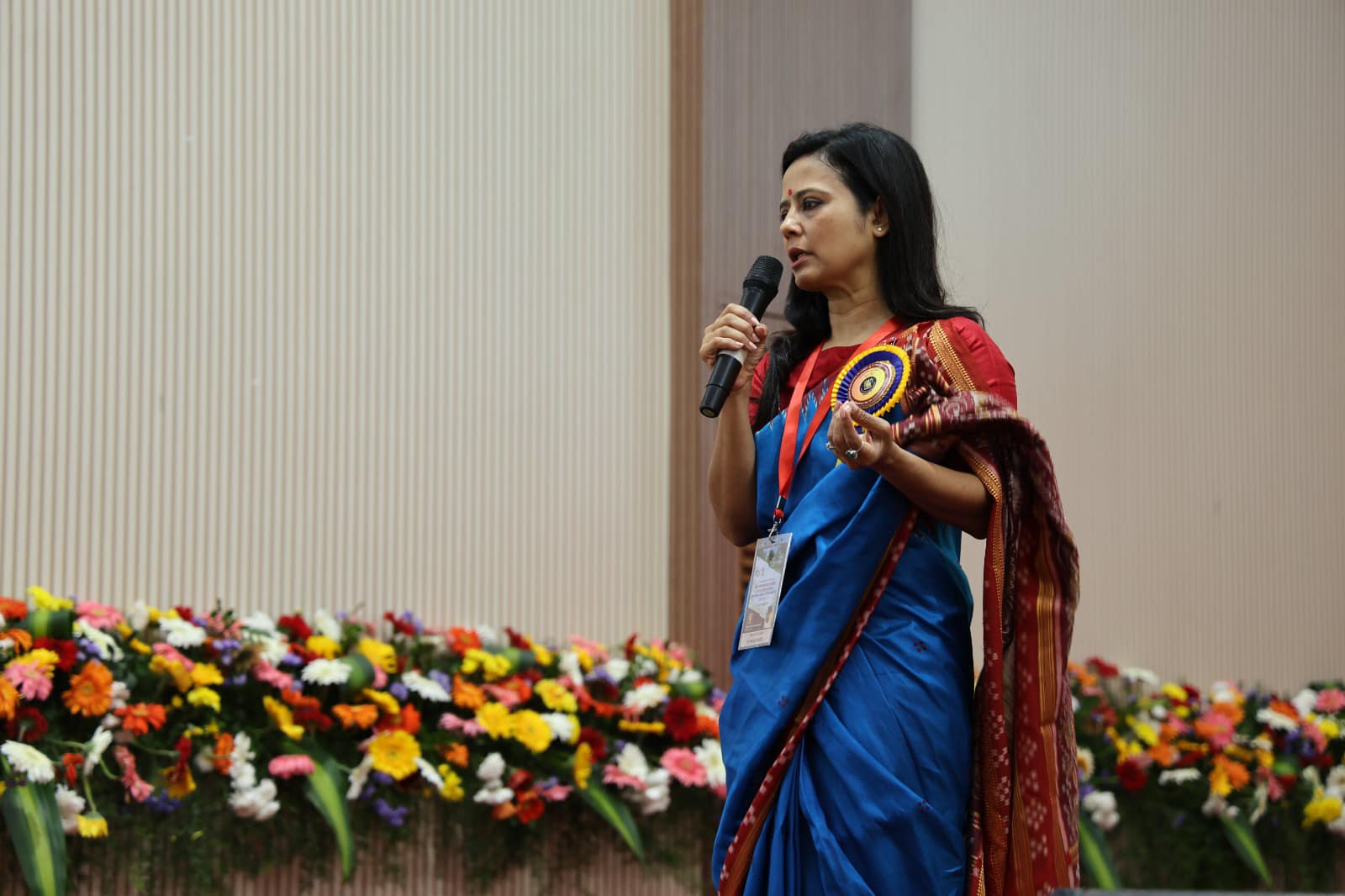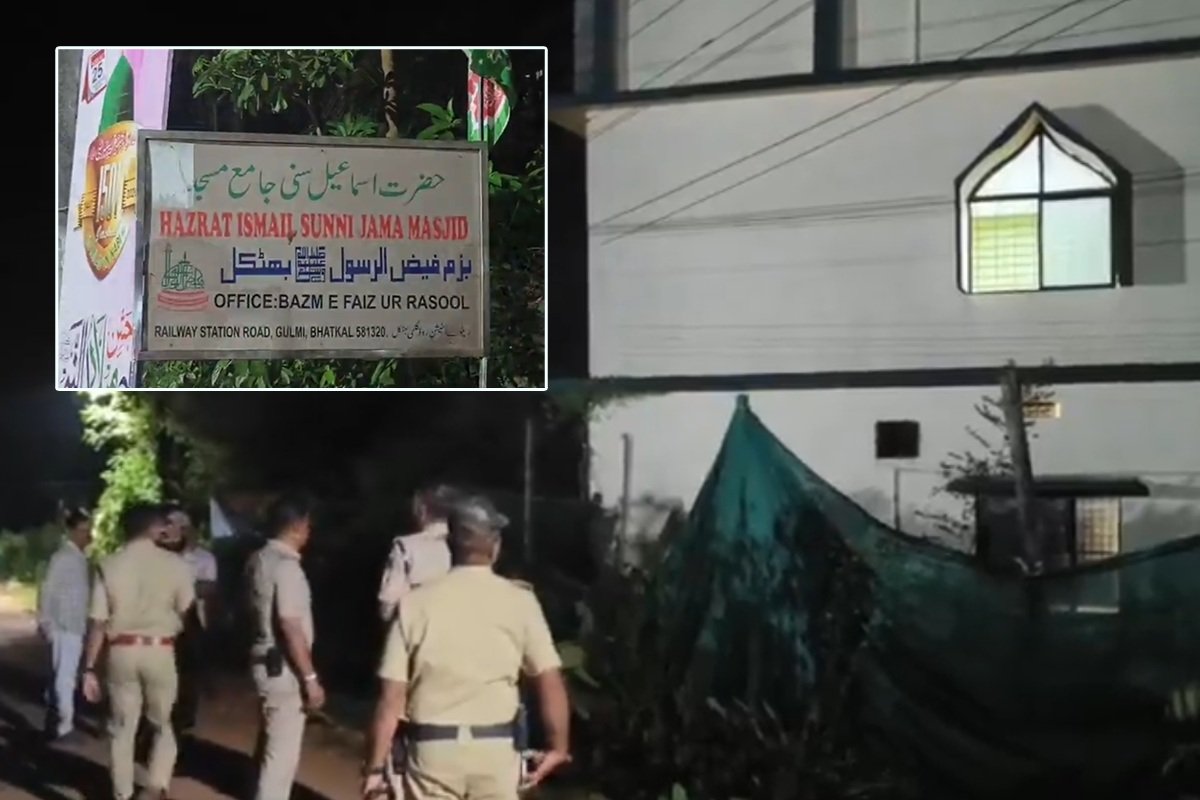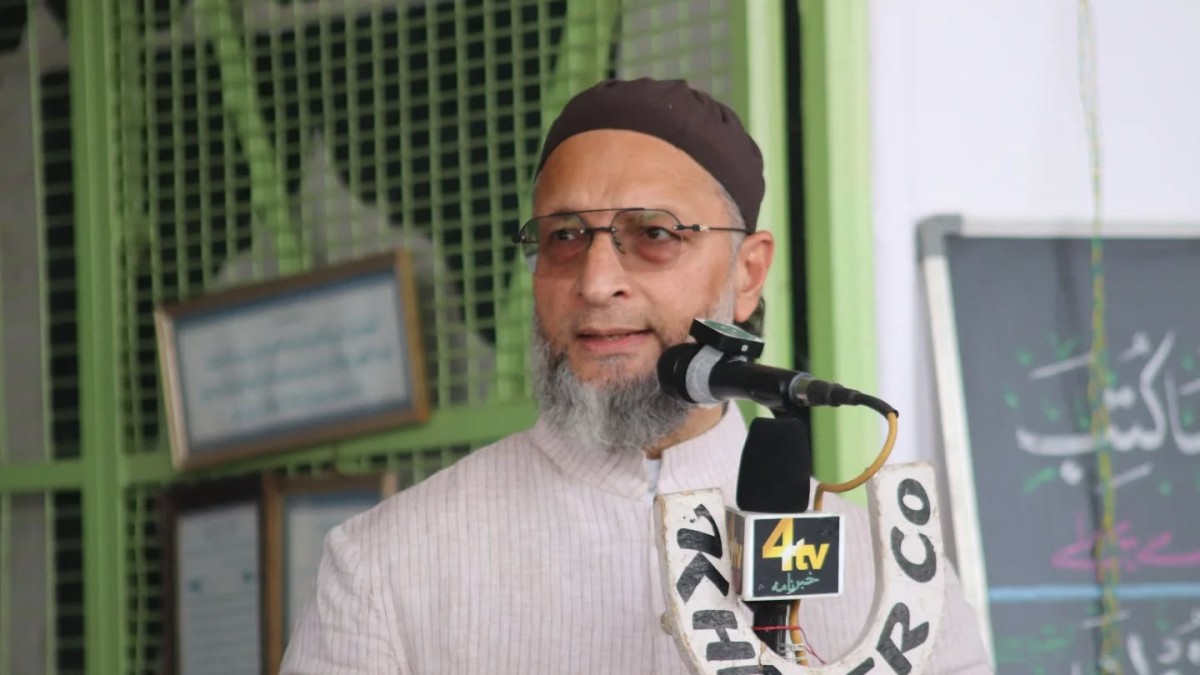
AIMIM chief and Hyderabad MP Asaduddin Owaisi has strongly criticised the Madhya Pradesh High Court’s decision declaring the Bhojshala-Kamal Maula complex in Dhar a temple dedicated to Goddess Saraswati. He said the judgment had “glaring similarities” with the Babri Masjid verdict and expressed hope that the Supreme Court would overturn the order.
Reacting to the ruling in a post on X, Owaisi said, “We hope the Supreme Court will set this right and overturn this order. Glaring similarities with the Babri Masjid judgment.”
Muslim Side To Challenge Verdict In Supreme Court
The Muslim side involved in the dispute also announced that it would challenge the High Court verdict before the Supreme Court.
Dhar Shahar Qazi Waqar Sadiq told ANI, “We will review the decision that has been made against us. We will challenge the verdict in the Supreme Court.”
The Madhya Pradesh High Court on Friday ruled that the disputed Bhojshala complex is a temple and upheld the right of Hindus to worship at the site. The court observed that archaeological findings and scientific studies could be relied upon while deciding such disputes.
Court Refers To Historical And Archaeological Evidence
The bench said it had considered the constitutional rights of all communities before delivering the verdict. Referring to historical records and archaeological evidence, the court noted that during the reign of Paramara king Raja Bhoj, the site functioned as a centre for Sanskrit learning and housed a temple dedicated to Goddess Saraswati.
The court also recognised the Bhojshala complex as a protected monument and said the Archaeological Survey of India would continue supervising its preservation and conservation.
In its order, the court further suggested that the government and the ASI explore the possibility of reviving Sanskrit education at the site.
Court Mentions Saraswati Idol In London
The High Court also referred to representations seeking the return of the idol of Goddess Saraswati, believed to be kept in a museum in London.
The bench said the central government may consider taking steps to bring the idol back to India and reinstall it at the Bhojshala complex.
At present, under a 2003 arrangement by the ASI, Hindus offer prayers at the site on Tuesdays, while Muslims offer namaz on Fridays.
ASI Survey Played Key Role
The verdict came after a detailed survey conducted by the Archaeological Survey of India following the High Court’s directions in March 2024.
The ASI began its scientific survey of the Bhojshala-Kamal Maula Mosque complex on March 22, 2024, and carried out a 98-day examination before submitting its report to the court.
According to the ASI report, the disputed structure was built over an earlier structure dating back to the Paramara period and contained several architectural elements associated with temples.
However, the Muslim side had argued that the ASI report was “biased” and prepared in support of the Hindu petitioners’ claims.