Syed Mueen
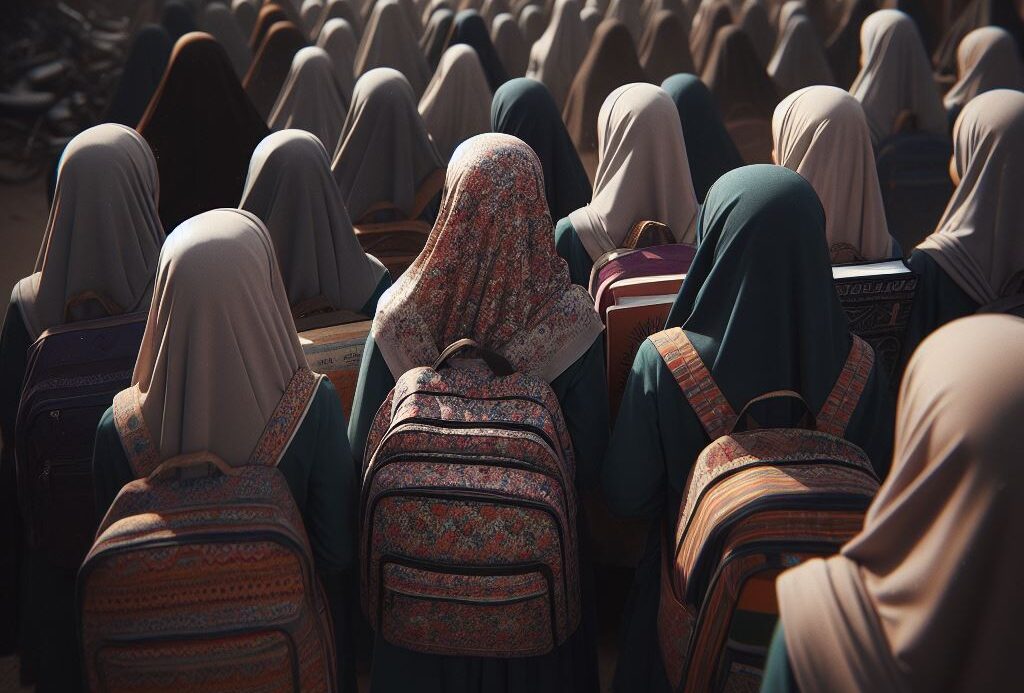
The Karnataka hijab controversy, which began in 2022, became one of the most emotionally charged debates in India on education, identity, and constitutional rights. What started as a restriction in a single educational institution soon escalated into statewide protests, court battles, political confrontation, and national attention. At the centre of the movement were young Muslim students who argued that wearing the hijab was not an act of rebellion, but an expression of faith and dignity.
In an exclusive interaction with The Observer Post, hijab activist and petitioner Aliya Assadi reflected on the years-long struggle, the emotional toll on students, and the larger questions surrounding justice and inclusion in educational spaces.
‘Justice Is Not Complete Yet’
Speaking about the recent developments around the withdrawal of the hijab restriction, Aliya Assadi said that while the decision is important, the larger struggle is still unfinished.
“The withdrawal of the hijab ban is definitely an important step, but justice is not complete yet. This was never a favour from the government — it was always our constitutional and religious right. Many students lost precious academic years, missed examinations, faced mental stress, and were pushed out of classrooms. Until those students receive proper support and dignity, the pain of this issue cannot be forgotten completely,” Aliya said.
Emotional and Academic Impact on Students
Aliya also highlighted the silent suffering faced by several Muslim students during the height of the controversy. According to her, the impact went far beyond classrooms and attendance registers.

“Yes, many students suffered deeply. Some stopped attending classes, some missed examinations, and many experienced anxiety, fear, and isolation. There were girls who only wanted education while keeping their hijab, but they were made to feel like they did not belong in educational spaces. It affected both their studies and emotional well-being,” she added.
‘Classrooms Should Not Become Political Battlegrounds’
Calling the controversy deeply politicised, she argued that students became unwilling participants in a larger ideological battle.
“Students became the centre of a political and ideological battle that should never have entered classrooms. A rule that started in one college was expanded across the state, and suddenly, students preparing for examinations became subjects of public and political controversy. Education should unite students, not divide them based on identity or faith,” Aliya asserted.
From Student to Public Face of the Movement
Reflecting on how the movement changed her own life, Aliya Assadi said the transition from being an ordinary student to becoming a public face of the hijab movement brought both pressure and purpose.
“Life changed completely. I was just a student, but suddenly I became part of a larger movement and legal struggle. It brought responsibility, criticism, pressure, and attention. But it also taught me resilience, patience, and the importance of standing firm for justice. Above everything, it strengthened my faith in Allah,” Aliya said.
A Message to Governments and Educational Institutions
She also had a direct message for governments and educational institutions, stressing that constitutional freedoms should never become subjects of political convenience.
“My message is simple: constitutional rights should never depend on politics or public pressure. Students should never be forced to choose between education and faith. Governments and institutions must protect the dignity, equality, and rights of every student instead of turning them into subjects of discrimination or political experiments,” she added.
Aliya’s Message to Young Hijabi Girls
Ending the conversation with an emotional appeal to young hijabi girls across the country, Aliya encouraged students not to lose hope despite the challenges they face.
“I would tell them that they are not alone, and their identity is not something to be ashamed of. Stay firm in your faith and never think your struggle is unseen. Even if the world ignores your pain, Allah knows every tear, every sleepless night, and every silent effort. Your strength, patience, and dignity matter. Never let anyone make you believe that your hijab and your dreams cannot exist together,” Aliya added.
SDPI Leader Welcomes Move but Demands Accountability
Meanwhile, speaking separately to The Observer Post, SDPI leader Afsar Kodlipete welcomed the Karnataka government’s reported move to revoke the hijab restriction, calling it a necessary correction to what he described as an unconstitutional policy that denied Muslim students equal educational access.
However, Kodlipete maintained that revoking the ban alone cannot erase the damage caused during the three-year controversy.
“The real question is what happens to the futures of thousands of students who lost academic years, missed examinations, or were forced away from education during this period. Justice is incomplete if those students are simply forgotten now,” Afsar Kodlipete said.
Call to Withdraw Cases and Support Students
He further demanded that cases filed against students and protesters during the hijab demonstrations be withdrawn immediately, alleging that many of them were falsely implicated during the protests.
Kodlipete also questioned whether the Karnataka government would now withdraw the pending hijab-related matter before the Supreme Court and urged the administration to introduce special academic rehabilitation measures for affected students.
“Revoking the circular alone is not enough. The government must ensure that the affected students receive support, protection, and confidence that such discrimination will never return again under political pressure,” Afsar added.

A Debate Larger Than Dress Codes
For many supporters of the movement, the hijab issue was never only about dress codes. It evolved into a larger debate around constitutional rights, equal access to education, identity, and dignity inside classrooms. While political and legal discussions surrounding the controversy may continue, voices like Aliya Assadi and Afsar Kodlipete continue to highlight the emotional, academic, and social realities faced by thousands of students over the last several years.