A major shift is being seen in West Bengal ahead of Eid ul-Adha (Bakrid) on May 28, as many Muslims across the state have decided not to buy cows for qurbani (ritual sacrifice). The decision comes amid the strict implementation of the West Bengal Animal Slaughter Control Act, 1950, by the new BJP government led by Suvendu Adhikari.
The move is not being seen as a permanent boycott, but rather a response to new government rules, legal concerns, religious appeals, and fears of communal tension.
Earlier this month, the West Bengal government ordered stricter enforcement of the old animal slaughter law ahead of Bakrid. Under the rules, slaughter of cows, bulls, buffaloes, or calves now requires a “fit-for-slaughter” certificate issued by veterinary authorities and local officials. Only animals above 14 years of age or permanently disabled animals are eligible for slaughter.
The rules also ban slaughter in public places and allow it only at designated municipal slaughterhouses.
The sudden enforcement of these regulations just before Bakrid has badly affected cattle markets across the state, with several livestock markets witnessing low business activity.

Muslim Clerics Appeal to Avoid Cow Sacrifice
Several Muslim religious leaders have appealed to the community to avoid cow sacrifice and maintain communal harmony.
Among them, Maulana Mohammad Shafiq Qasmi, imam of Kolkata’s Nakhoda Masjid, urged Muslims to respect Hindu sentiments and opt for goat sacrifice instead of cows.
Many mosque committees and clerics across Bengal have reportedly issued similar advisories asking people to follow the law and avoid actions that may create tension.
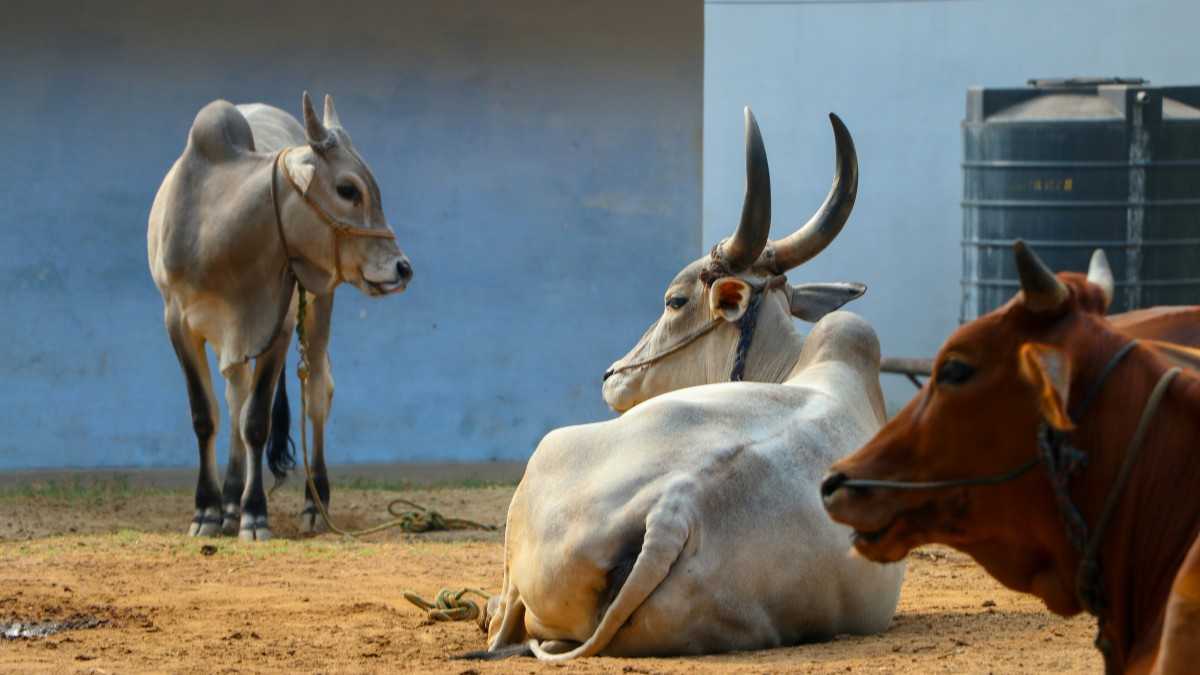
As a result, many Muslims are refusing to purchase cows or bulls in local cattle markets. Traders say Muslim buyers are openly telling sellers, “The administration is stopping us, so we will not buy cows.”
In some areas, Muslim buyers have even requested Hindu cattle sellers to take the animals back.
Hindu Traders Face Financial Losses
The development has created financial worries for Hindu cattle traders and farmers, who form a large part of Bengal’s cattle trade.
According to traders, nearly 80 percent of cattle rearing and selling in the state is done by Hindu farmers and businessmen, while Muslims are usually the main buyers during Bakrid season.
Many traders were expecting strong business ahead of Eid, but now markets are witnessing poor sales and empty cattle yards.
Some Hindu traders said Muslims had never caused problems in the markets earlier and described the current situation as a major blow to their livelihood.
Different Views Emerge Over the Issue
Supporters of the decision say avoiding cow sacrifice is a way to follow the law, respect Hindu religious sentiments, and prevent communal conflict or violence.

Some Muslims also argued that stopping cow purchases would ultimately hurt Hindu cattle sellers financially, since they depend heavily on Eid sales.
On the other hand, the state government says the strict enforcement is necessary to stop illegal slaughter and protect productive cattle. The BJP government has maintained that it is only implementing an existing law.
Opposition parties, including the All India Trinamool Congress, have criticised the timing of the crackdown and called it politically motivated. Several petitions challenging the notification are currently being heard in the Calcutta High Court.
Muslim Leaders Call Decision a Step Towards Communal Harmony
Maulana Sajid Rashidi, president of the All India Imam Association, described the decision by many Muslims not to buy cows as a positive step for communal harmony.
He said Muslims were showing respect for Hindu beliefs by avoiding cow sacrifice.
“Muslims have decided not to buy cows because they respect the faith and emotions attached to the animal. This is a message of communal harmony,” Rashidi said.