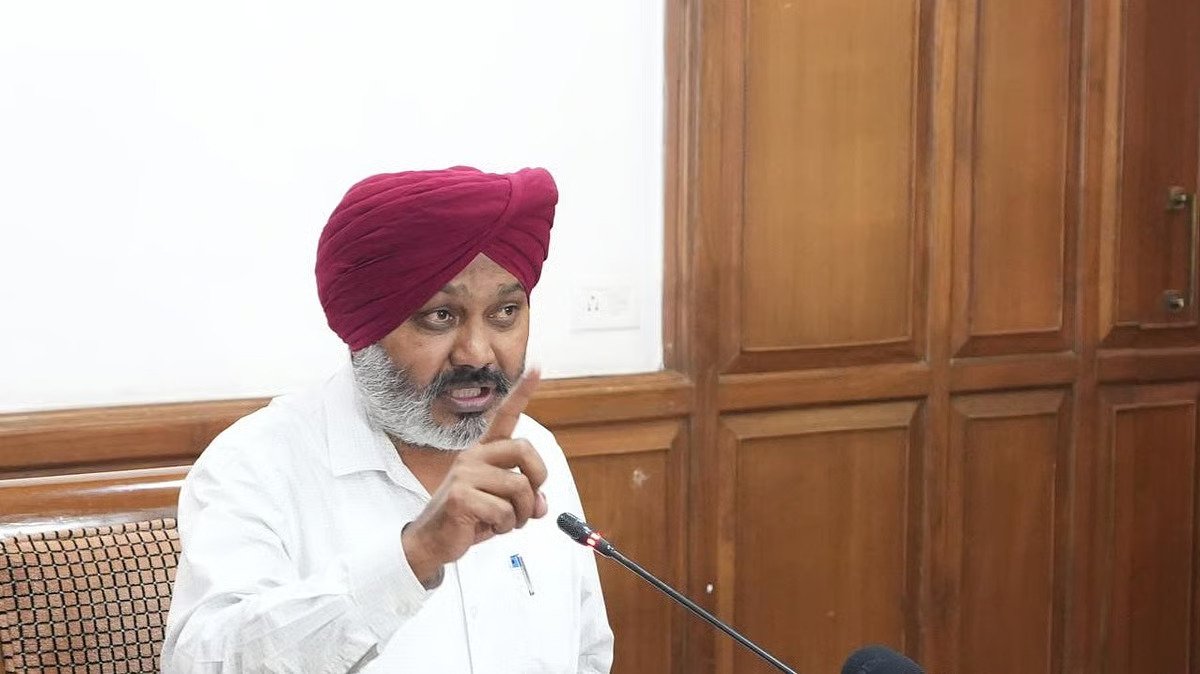
The News Broadcasting & Digital Standards Authority (NBDSA) has passed multiple orders against Zee News for violating broadcasting ethics, including airing communally sensitive misinformation and breaching privacy norms. In one case, the self-regulatory body imposed a fine of ₹25,000 on the channel for forcibly interviewing the grieving mother of a murder accused.
The orders, issued on May 19, 2026, were passed by former Supreme Court judge Justice A.K. Sikri, who chairs the NBDSA. The authority examined complaints involving communal reporting, misleading visuals, sensationalism, and privacy concerns against several broadcasters, including Zee News, Aaj Tak, ABP News, NDTV, and ABP Majha.
Zee News faced the strongest criticism, with findings against the channel in three separate complaints.
₹25,000 Fine Over Interview With Distressed Mother
In one of the most serious rulings, NBDSA fined Zee News ₹25,000 after finding that a reporter continued interviewing the mother of murder accused Raj Kushwaha despite her visible distress and repeated requests to be left alone.
The footage showed the woman crying and breaking down while the reporter continued questioning her. The interview was later aired on television and uploaded to digital platforms.
The authority said, “No meaningful purpose had been served by interviewing the mother of the accused regarding the alleged crime committed by her son, especially when she was visibly distressed.”
Calling the coverage a violation of “good taste, decency and privacy,” NBDSA directed Zee News to remove the footage from its website, YouTube, and all digital platforms within seven days. It also advised the channel to train reporters to handle sensitive situations more responsibly.
NBDSA Criticises Zee News’ Kanwar Yatra Coverage
In another case, NBDSA reprimanded Zee News for a July 2025 broadcast linking broken glass found on a Kanwar Yatra route in Delhi to an alleged conspiracy by Muslims.
The channel aired a 55-minute debate with inflammatory language and AI-generated visuals, including images of a Muslim man spitting into food and juice. However, Delhi Police later confirmed that the glass had accidentally fallen from an e-rickshaw carrying glass panels.
Rejecting Zee News’ defence that it was merely reporting statements by political leaders, the authority said broadcasters must independently verify facts.
“In the absence of such verification of facts, it was highly improper for the news channel to conduct a debate that had the potential to stigmatise a community and create communal disharmony,” the order said.
NBDSA also dismissed Zee News’ later clarification as insufficient, observing that a correction lasting less than a minute could not compensate for a 55-minute misleading debate. The channel was ordered to remove the content and was admonished for violating guidelines on racial and religious harmony.
False Bangladesh Temple Claim Draws Warning
In a separate order, NBDSA cautioned Zee News for falsely presenting visuals from West Bengal as attacks on Hindu temples in Bangladesh.
The channel had aired videos of a Kali idol immersion ritual from West Bengal’s Bardhaman district, falsely claiming Muslims in Bangladesh were desecrating Hindu temples. The footage was later fact-checked and flagged by Alt News.
NBDSA said Zee News failed to provide any evidence supporting its claim.
“NBDSA is of the view that the broadcaster has violated the principle of Accuracy as enshrined in the Code of Conduct by airing unrelated visuals,” the authority observed.
Although Zee News later removed the video, the regulator treated it only as a mitigating factor and issued a caution.
Complainant Questions NBDSA’s Leniency
The complaints in all three Zee News cases were filed by activist Indrajeet Ghorpade, who has now sought reconsideration of the regulator’s orders.
Ghorpade argued that while NBDSA acknowledged ethical violations in communal reporting cases, it failed to impose stronger penalties.
“I have requested NBDSA to reconsider its orders and pass fresh orders that are proportionate to the violations committed by the channel,” he said, warning that he may approach the High Court if no further action is taken.
Under NBDSA regulations, repeated violations can attract fines of up to ₹25 lakh, suspension of programmes or anchors, and even recommendations for licence suspension in extreme cases.