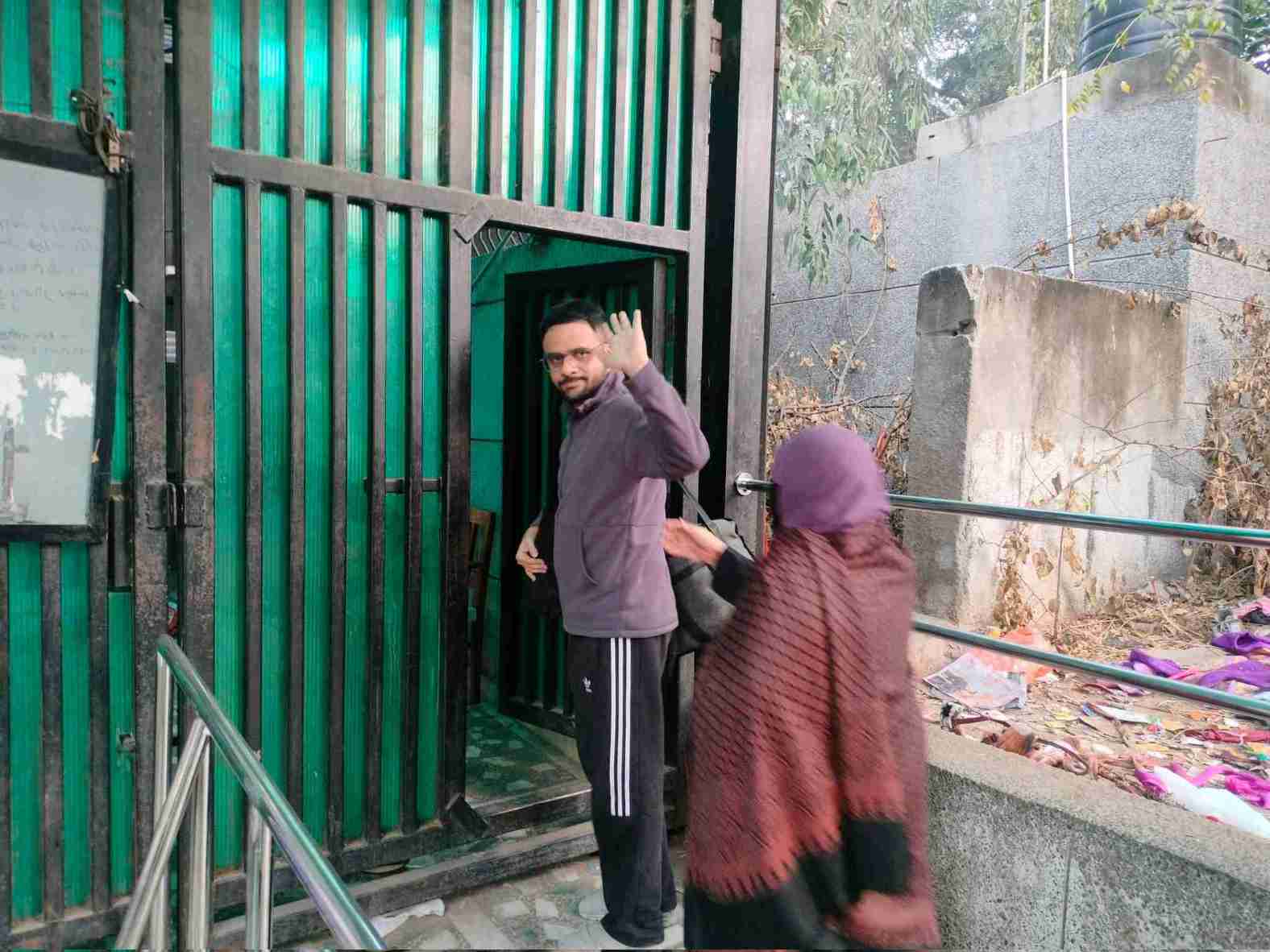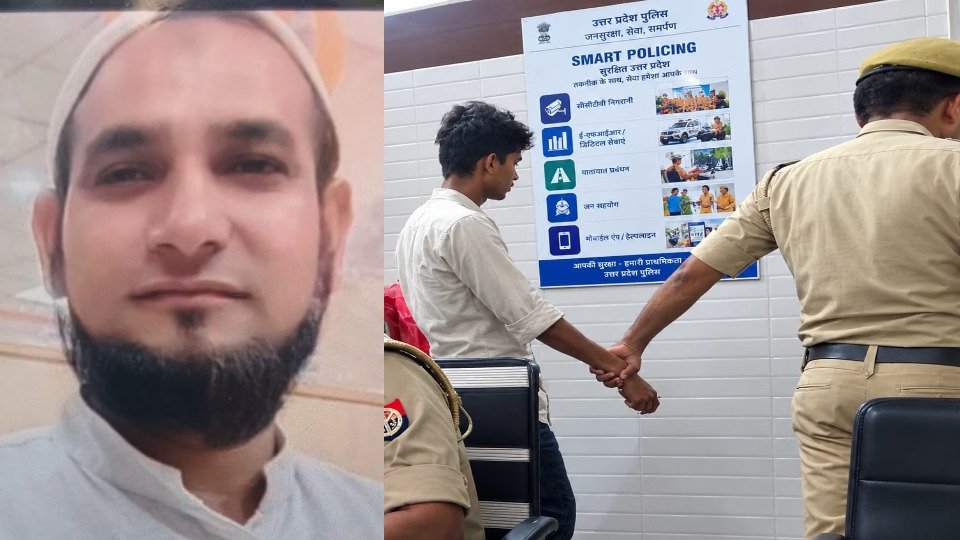
The Delhi High Court has acquitted Mohammad Quasim, a Delhi-based bindi seller, in a 2004 kidnapping and rape case linked to his interfaith marriage with a Hindu woman. The court said the woman had willingly married Quasim and later changed her testimony due to “social or parental pressure”.
Justice Vimal Kumar Yadav overturned Quasim’s 2008 conviction, bringing an end to an 18-year legal battle that saw him spend nearly two years in jail.
Court Says Woman Married Quasim Voluntarily
According to the court order, the couple had eloped in 2004 and travelled to West Bengal’s Asansol, where they got married under the Special Marriage Act. Their marriage was registered in the Kulti area of Burdwan district in July 2004.
The woman initially told police and a magistrate that she had willingly gone with Quasim, married him voluntarily and wanted to stay with him. The High Court noted that these early statements supported Quasim “in every aspect”.
However, during the trial proceedings later, the woman changed her version and accused him of kidnapping and rape, leading to his conviction in 2008.

The High Court said her later testimony did not inspire confidence and appeared to have been made under “some sort of social or parental pressure”.
“What emerges on record is that the prosecutrix had herself, of her own volition not only accompanied the appellant but got married under Special Marriage Act,” the court observed.
High Court Questions Deep Social Divisions
In a significant observation, the High Court spoke about the challenges faced by interfaith couples in India.
“Fragmented, stratified and deeply divided Indian society across all the classes left no room practically for the young lovers to choose their partners,” the court said.
The bench further observed that in such a divided society, “an inter-religious alliance was no less than a sin”.

The court added that couples who cross barriers of religion, caste or community often face severe consequences, sometimes even risking their lives.
Age Determination Became Key Issue
A major issue in the case was whether the woman was a minor at the time of marriage. Her parents had alleged that she was underage.
The High Court, however, relied on medical evidence, including an ossification test and school documents, to conclude that she was around 18 years old at the relevant time.
The court noted that under the legal provisions applicable in 2004, the age of consent in rape cases was 16 years.
“According to the same, the age of the prosecutrix at the relevant time becomes 18 years,” the court said.
The bench also observed that the woman had ample opportunities to raise an alarm during the journey and while living with Quasim for nearly two months, but she never did so.
“Her silence in such circumstances only indicates that she was an ally of the appellant and accompanied him by her own choice, will and desire,” the court said.
Quasim Says He Spent Years Fighting False Charges
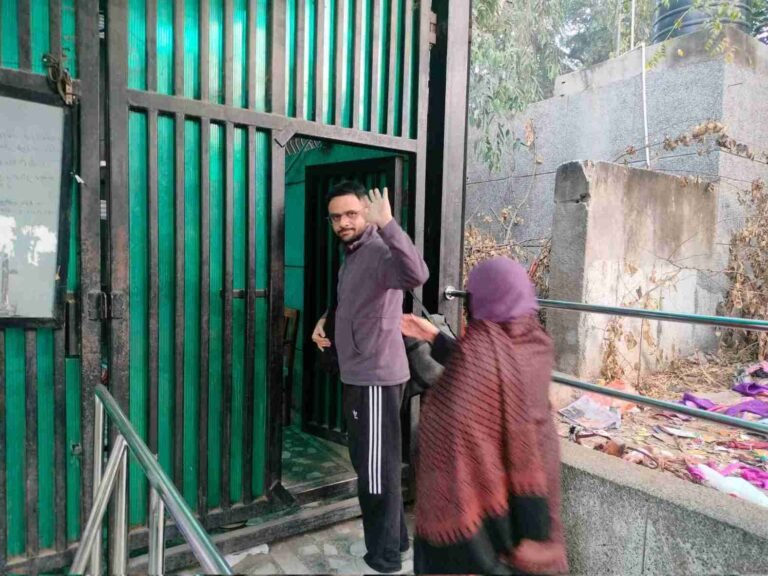
Speaking after the verdict, Quasim said the couple had lived in the same locality in Delhi and were in love.
“She told me her family was pressurising her for marriage. Since we loved each other, we went to my hometown in Bengal and got married,” he said.
Quasim said he was shocked when police arrested him after the woman’s parents filed a complaint accusing him of kidnapping and rape.
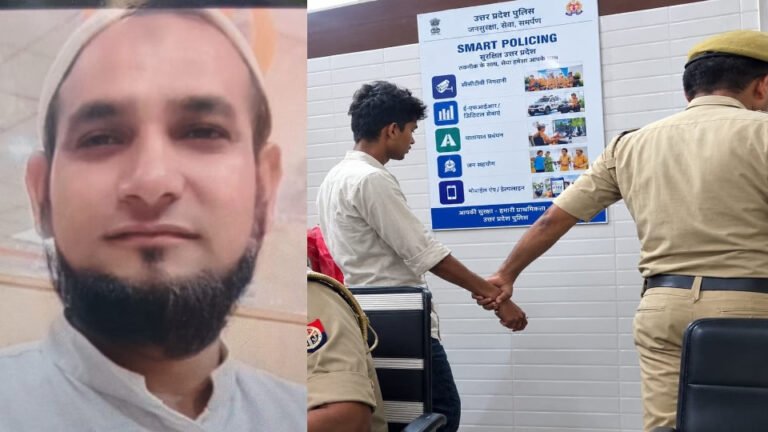
“They got her married to someone else within a month or two of my arrest,” he said.
Quasim added that he spent nearly two years in jail and fought the legal battle for almost two decades.
Lawyer Calls It a Case of Consenting Young Adults
Quasim’s lawyer, Samar Singh Kachwaha, said the case involved “two consenting-age teenagers who wanted to be with each other”.
He said the woman’s statements before the police and magistrate were consistent and clearly showed that she had voluntarily married Quasim.
“What is most disturbing is that Quasim spent nearly two years in jail, and over two decades of his youth with the stigma of criminal proceedings,” Kachwaha said.

With the acquittal, the High Court has finally cleared Quasim of all charges, ending one of the longest-running interfaith marriage-related criminal cases in recent years.