Ibn Habeeb
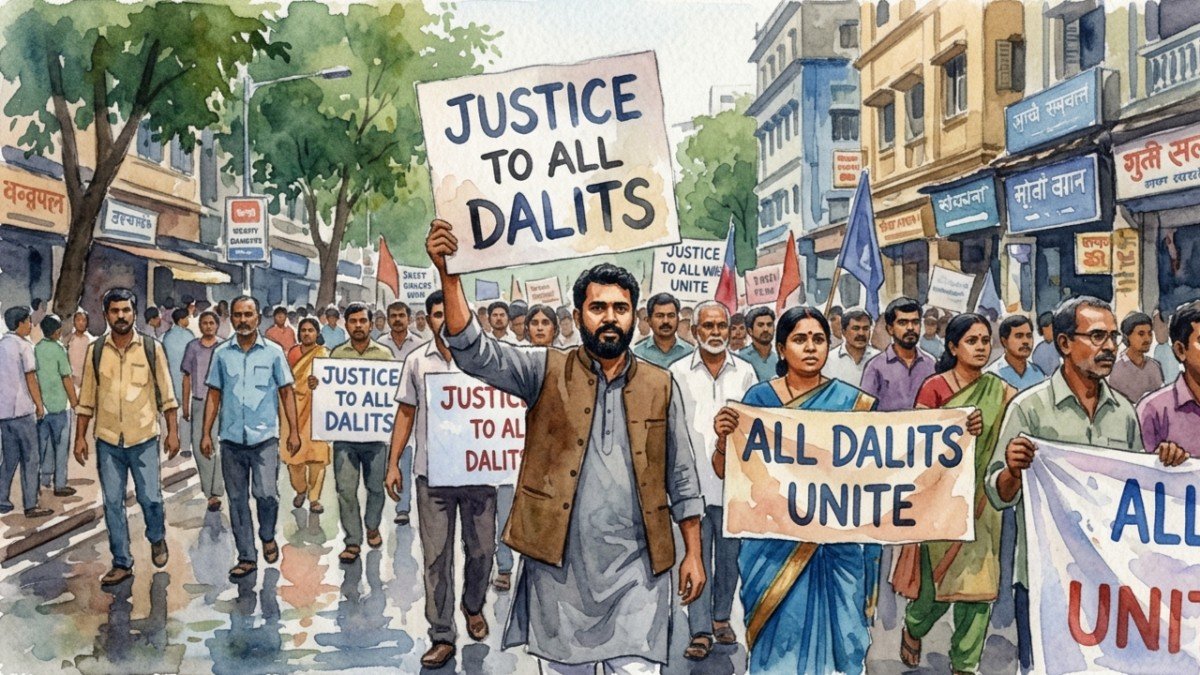
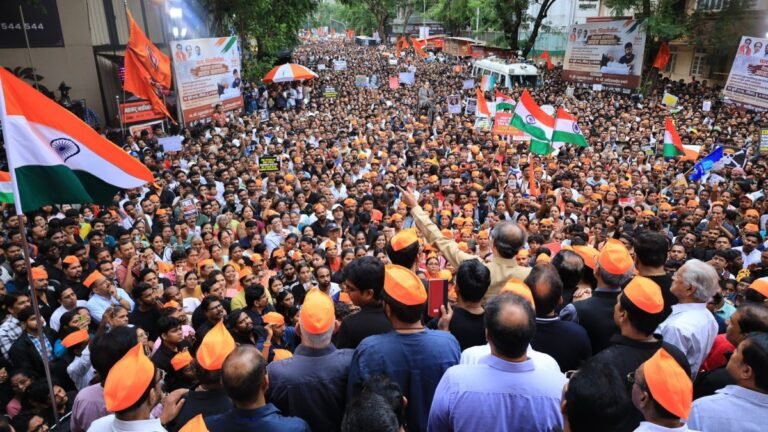
The emergence of the Cockroach Movement and its call for protests against alleged irregularities in the education system has generated significant discussion across India. While many citizens view the movement as an opportunity to demand accountability and transparency, a different conversation is taking place within sections of the Muslim community.
A number of Muslim activists have advised Muslims to stay away from the movement entirely. Their argument is based on a concern that has become increasingly common in recent years: whenever large-scale protests or political confrontations occur, minorities often find themselves facing greater scrutiny and consequences than others. From this perspective, avoiding political activism appears to be the safest option.
At first glance, this advice seems sensible. Every community has a responsibility to protect itself from unnecessary harm. No responsible leader should encourage people to enter situations without carefully considering the risks involved.
However, there is a deeper question that deserves attention.
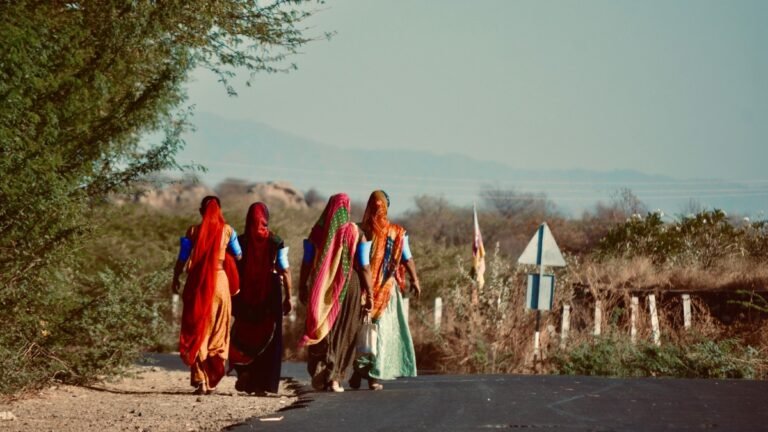
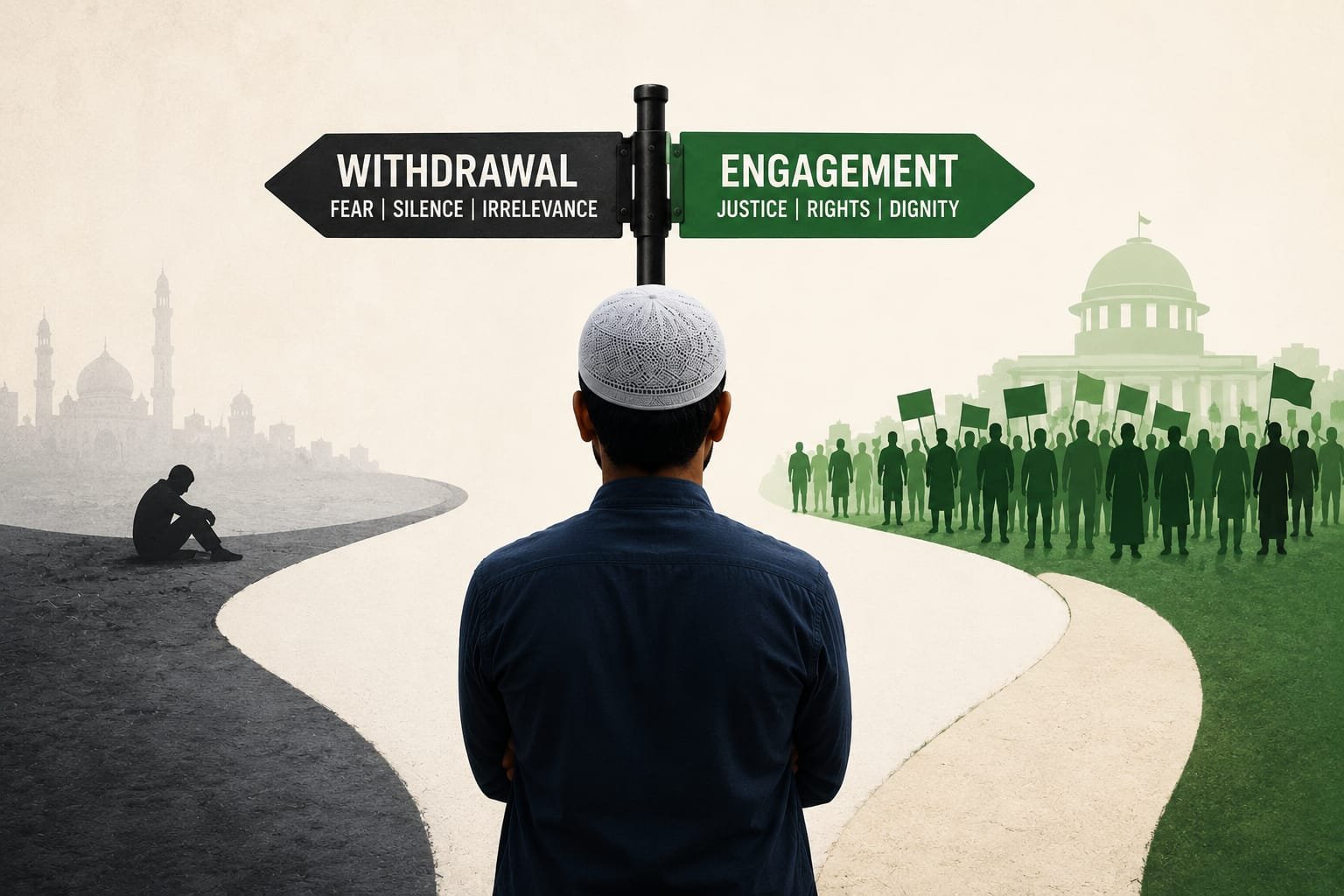
If Muslims repeatedly withdraw from public movements, public debates, and political causes out of fear of potential consequences, what will be the long-term result? Can a community preserve its interests by remaining absent from the very conversations that shape its future? Or does political withdrawal create a different kind of vulnerability—one that slowly pushes a community to the margins of society?
These questions extend far beyond the Cockroach Movement itself. They touch upon a larger issue facing Indian Muslims today: how should a minority community engage with politics in an environment where risks are real, but disengagement carries risks of its own?
The answer is not reckless activism. Nor is it political disappearance. History—both Indian and Islamic—points toward a third path: strategic political engagement.
Lessons from Indian Muslim History
This is not the first time Muslims in India have faced political uncertainty.

After the Revolt of 1857, Muslims suffered severe political, social, and economic setbacks. Many could have concluded that political participation only brought suffering and that withdrawal was the safest course. Yet this is not what happened.
Despite immense challenges, Muslims continued to establish institutions, publish newspapers, produce scholars, participate in intellectual debates, organize politically, and search for ways to safeguard their future. Different groups proposed different solutions, but very few argued that Muslims should permanently remove themselves from public life.
Similarly, during the struggle for India’s independence, Muslims were present across the political spectrum. Some worked through Congress, others through the Muslim League, while many participated in broader political and social movements. They disagreed on methods and objectives, but they shared a common understanding: communities do not secure their future through political irrelevance.
Whether one agrees with their political positions or not, history demonstrates that Muslims viewed participation—not withdrawal—as the path toward preserving their interests and shaping their future.
Lessons from Islamic History
The same principle can be found in the Seerah of Prophet Muhammad ﷺ.
For thirteen years in Makkah, Muslims were a persecuted minority. They faced social boycotts, torture, economic pressure, and political marginalization. Yet the Prophet ﷺ did not instruct Muslims to withdraw completely from society. He continued to engage tribes, seek alliances, negotiate support, and present the message publicly despite immense risks.
When conditions became unbearable, some Muslims migrated to Abyssinia. This migration itself is a lesson in strategic thinking. The solution was not to abandon public engagement forever but to relocate temporarily to an environment where the community could survive and develop.
Later, in Madinah, the Prophet ﷺ established agreements between various tribes and communities through the Constitution of Madinah. Muslims became active participants in building a political order based on rights, responsibilities, justice, and coexistence.
Even the Treaty of Hudaybiyyah provides an important lesson. Many companions initially viewed the treaty as unfavorable. Yet the Prophet ﷺ recognized that long-term success often requires patience, strategic calculation, and the ability to distinguish between temporary setbacks and permanent principles.
Islamic history repeatedly demonstrates that wisdom is not the same as withdrawal. Strategic engagement has always been preferable to political irrelevance.
The False Choice Facing Muslims Today
Unfortunately, many contemporary discussions present Muslims with a false choice.
Either participate in every protest and every movement regardless of the risks.
Or withdraw entirely from political engagement.
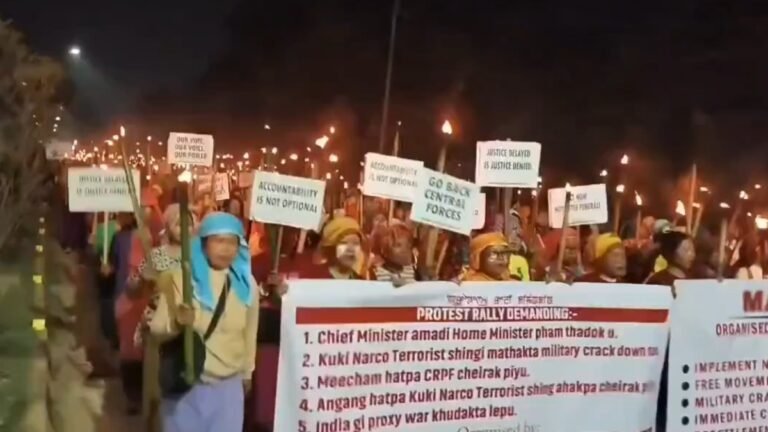
Both approaches are flawed.
Blind activism can expose a community to unnecessary dangers. Political movements can be poorly organized, emotionally driven, or disconnected from long-term community interests.
At the same time, complete disengagement creates a different danger. A community that repeatedly withdraws from public issues eventually finds itself absent from discussions about education, civil rights, economic opportunities, governance, public policy, and social reform.
The political arena does not become empty when one community leaves it. Others simply occupy the space.
History teaches that political invisibility rarely protects a community. More often, it weakens its ability to influence the forces shaping its future.
The Need for Strategic Political Engagement
The question, therefore, is not whether Muslims should engage politically.
The question is how.
Political engagement should be principled, selective, and strategic. Communities must carefully assess movements, leadership, objectives, methods, and potential consequences before deciding how to participate.
Not every cause deserves support. Not every protest deserves participation.

However, neither should fear become a permanent political philosophy.
Muslims should continue building educational institutions, media platforms, legal organizations, community initiatives, think tanks, and leadership networks. They should participate in public debates, defend constitutional rights, advocate for justice, and contribute to issues that affect society as a whole.
Communities gain influence through sustained engagement, not through periodic emotional reactions and certainly not through complete withdrawal.
Conclusion
The debate surrounding the Cockroach Movement is ultimately not about a single protest or a single political cause. It is about a deeper question facing Indian Muslims today: how should a community navigate public life in a changing political environment?
Fear of consequences is understandable. Communities that have experienced discrimination, hostility, or unequal treatment naturally become cautious. Prudence is not weakness. Caution is often necessary.
But history warns against turning caution into disengagement.
From the Prophet Muhammad ﷺ in Makkah and Madinah to generations of Muslims who participated in shaping the political and intellectual life of the Indian subcontinent, the lesson is clear: communities do not preserve themselves by withdrawing from society. They preserve themselves through faith, organization, education, strategic thinking, and principled engagement.
The challenge before Indian Muslims today is not simply whether to join or avoid a particular movement. The more important task is to re-evaluate political causes through their own historical experience and to develop a political methodology rooted in their identity, values, and civilizational memory.
Rather than reacting emotionally to every political event or retreating from politics altogether, Muslims must ask deeper questions. Which causes genuinely serve justice? Which forms of engagement strengthen the community without compromising its principles? Which alliances advance the common good while preserving independence of thought and action?
Indian Muslims possess a rich political heritage stretching from the Seerah of the Prophet ﷺ to centuries of experience on the Indian subcontinent. The task is not to imitate every contemporary movement, nor to abandon public life out of fear. The task is to rediscover this heritage and use it to formulate a mature, principled, and strategic political outlook.
Political recklessness is dangerous.
Political withdrawal is self-defeating.
What is needed is a confident political vision rooted in Islamic values, informed by history, aware of contemporary realities, and capable of engaging with society without losing its identity.
The future will not be shaped by those who disappear from public life. It will be shaped by those who participate with wisdom, conviction, and a clear understanding of who they are.

The views expressed in this article are the author’s own and do not necessarily reflect the policy of the platform.