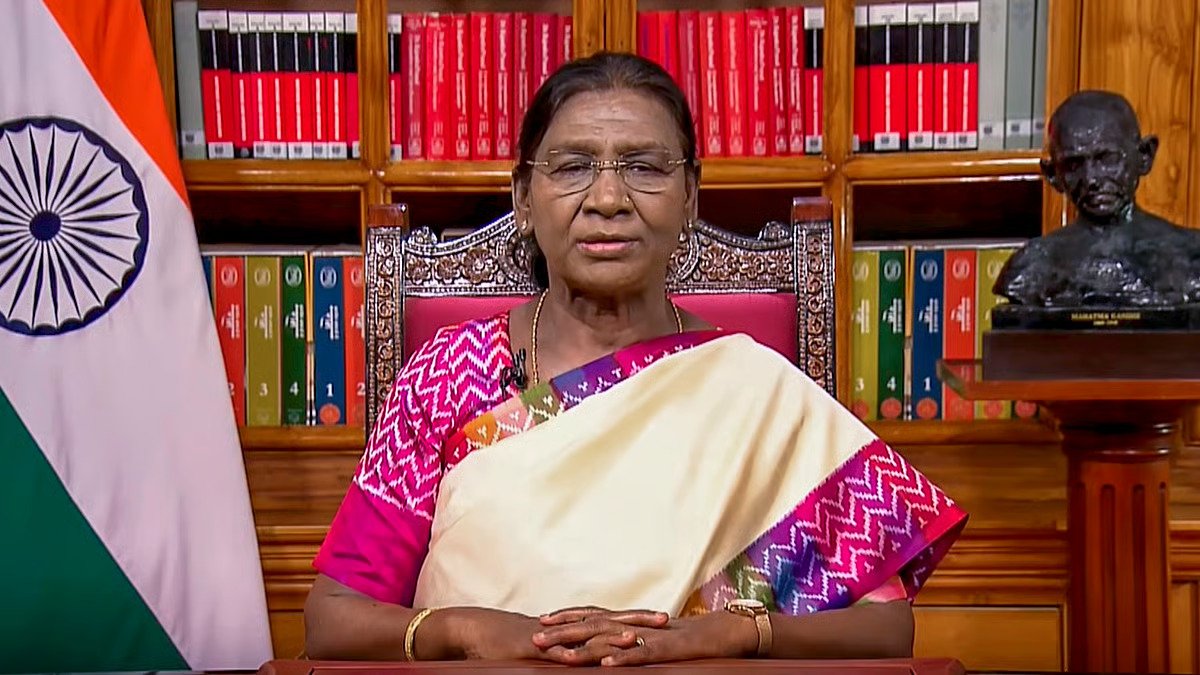
President Droupadi Murmu on Friday said the government was carrying out comprehensive reforms in India’s public examination system to stop paper leaks and the use of unfair means, while making exams more transparent, secure and trustworthy for students.
In her Independence Day eve address to the nation, Murmu said public examinations are an important gateway to opportunities for young people and stressed that protecting students’ future requires a collective effort from both the government and society.
“The government is undertaking comprehensive steps to reform these examinations,” she said. The reforms, she added, are aimed at completely curbing unfair practices and making the examination system “more transparent, more secure, and more trustworthy for the youth.”
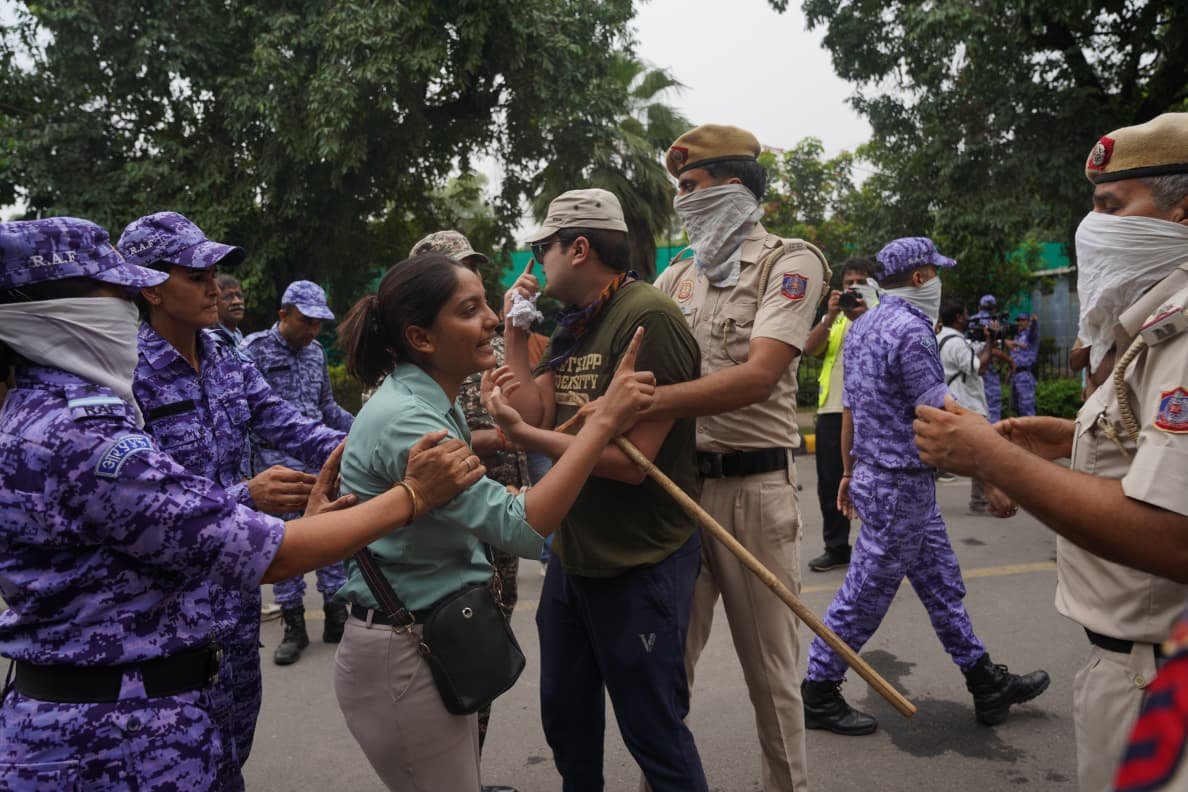
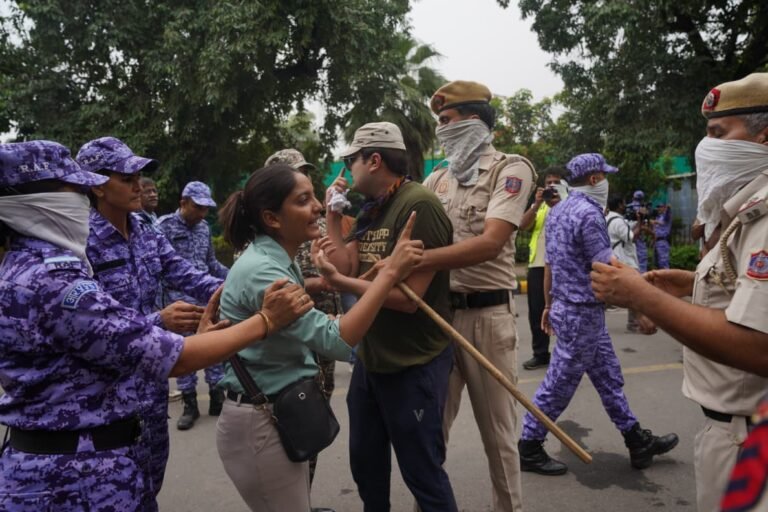
The remarks come amid growing concerns over paper leaks and irregularities in competitive examinations, which have triggered student and youth-led protests in different parts of the country.
President highlights jobs, startups and youth power
Murmu said India’s young population is increasingly moving from seeking jobs to creating employment through entrepreneurship and self-employment.
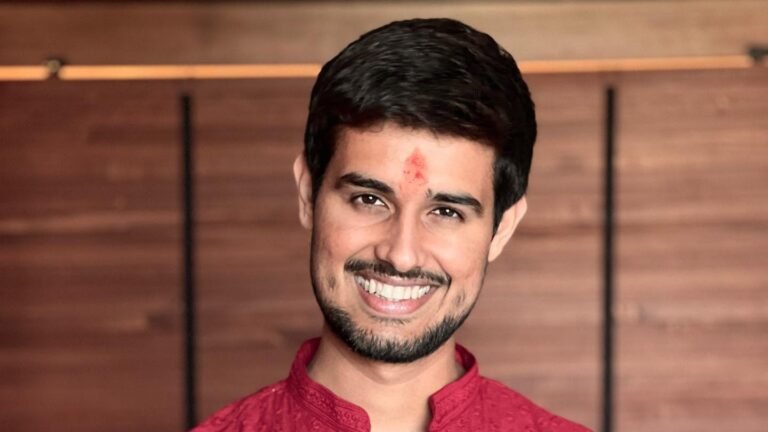
“Many of our youth are embracing the culture of job creation as they pursue the path of self-employment,” she said, adding that young entrepreneurs have helped build a strong startup ecosystem.
She described youth as India’s “most valuable asset”, noting that around 65% of the country’s population is below the age of 35.
The President also highlighted the importance of physical and mental well-being among young people and pointed to the Khelo India programme as an important part of youth development.
“Under the Khelo India programme, a sports ecosystem is being developed across the country, from the grassroots to the national level,” she said.
Murmu praises armed forces and Operation Sindoor
The President also praised the armed forces and highlighted Operation Sindoor, saying it demonstrated India’s ability to carry out precision counter-terror operations.

“That historic operation against terrorism demonstrated the capability of the Indian Armed Forces to act with precision,” Murmu said.
She added that the operation sent a “clear and firm message” to terrorists and their supporters that they would face consequences for their actions.
Murmu also described the suspension of the Indus Waters Treaty as a “decisive step” in India’s national interest, particularly for farmers.
On internal security, she called making India “Naxal free” a major achievement after decades of conflict and said development and community participation were bringing new enthusiasm to areas once affected by Naxalism.
India’s economy and digital growth
Speaking about India’s economic progress, Murmu said the country remained the fastest-growing major economy in the world, despite global instability and economic challenges.
She said the Atmanirbhar Bharat Abhiyan had strengthened the foundations of India’s economic progress and national security.
The President also highlighted welfare schemes, saying more than 25 crore people had been lifted out of poverty, while nearly 59 crore people had joined the banking system through the Pradhan Mantri Jan Dhan Yojana.
She also pointed to India’s digital infrastructure, saying the country accounts for more than half of the world’s real-time digital transactions.
Women’s empowerment and Viksit Bharat
Women’s empowerment was another major theme of the address. Murmu said the initial target of creating three crore Lakhpati Didis had been achieved and that the government was now working towards creating three crore more.
“Our girls are performing exceptionally well in education and diverse sectors,” she said, highlighting women’s achievements in agriculture, defence and sports.
She also referred to the Nari Shakti Vandan Adhiniyam, saying the reservation of 33% of seats for women in the Lok Sabha and state Assemblies would make Indian democracy more inclusive.
The President said India was moving towards the goal of Viksit Bharat by 2047, driven by economic strength, digital infrastructure and the participation of young people and women.
She concluded by paying tribute to freedom fighters and remembering those affected by Partition, while urging citizens to contribute to the country’s development.
Quoting Telugu writer Gurajada Apparao, Murmu said: “A nation is not just its land, a nation is all its people.”