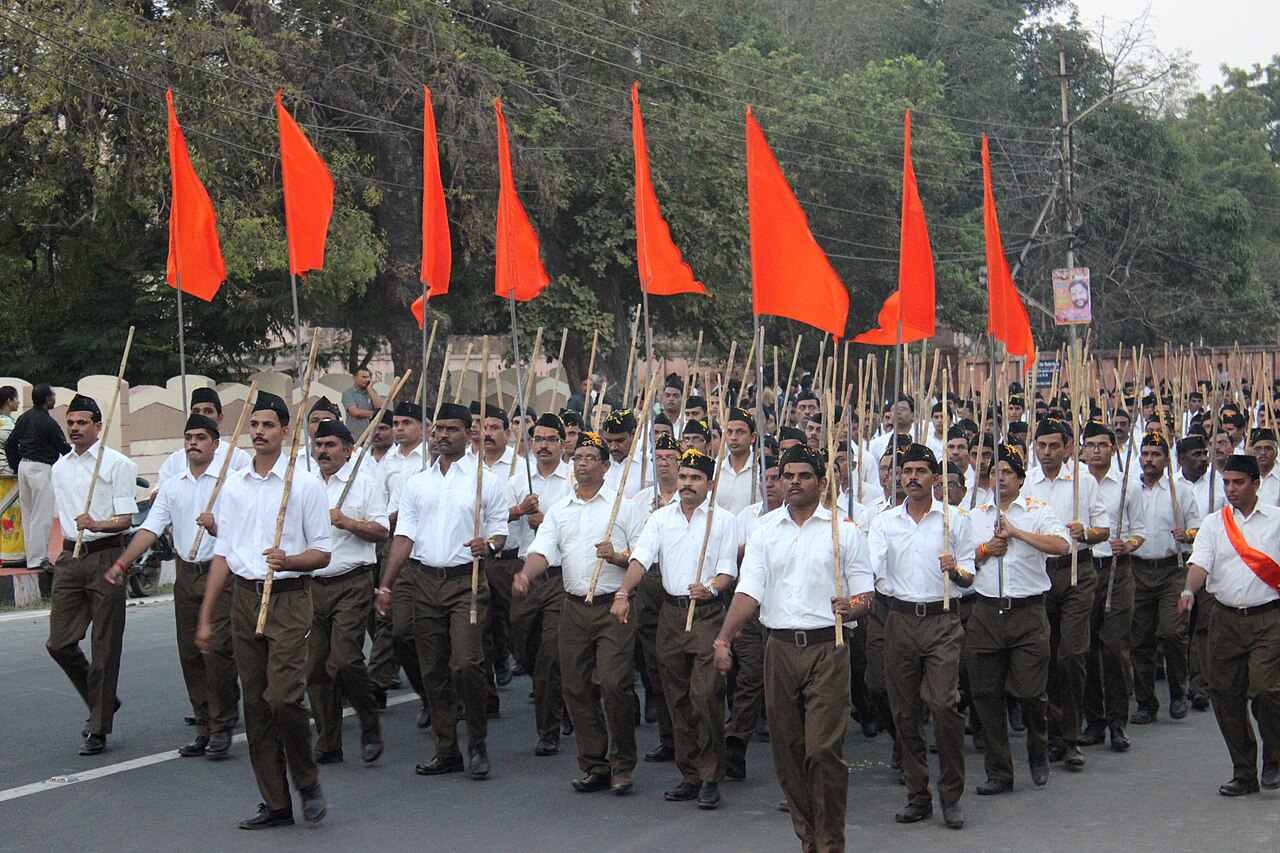
The Madras High Court on Wednesday questioned the Tamil Nadu government’s repeated denial of permission to the Rashtriya Swayamsevak Sangh (RSS) to conduct route marches, asking why the organisation could hold such events in Jammu and Kashmir but faced restrictions in Tamil Nadu.
Justice V Lakshminarayanan made the oral observations while hearing a petition filed by VG Jagadeesan, RSS North Tamil Nadu secretary, challenging police orders denying permission for marches across the state.
“If the State of Jammu and Kashmir could allow meetings or marches by the RSS, why Tamil Nadu cannot have it?” the judge asked, according to reports.
The court also questioned whether any violence had occurred during previous marches and why the organisation had to approach the judiciary repeatedly for permission.
“What is your fear? Every year they are coming for permission and the Court is granting. What is so exceptional in 2026? Has there been any violence so far in their march?” the judge asked.
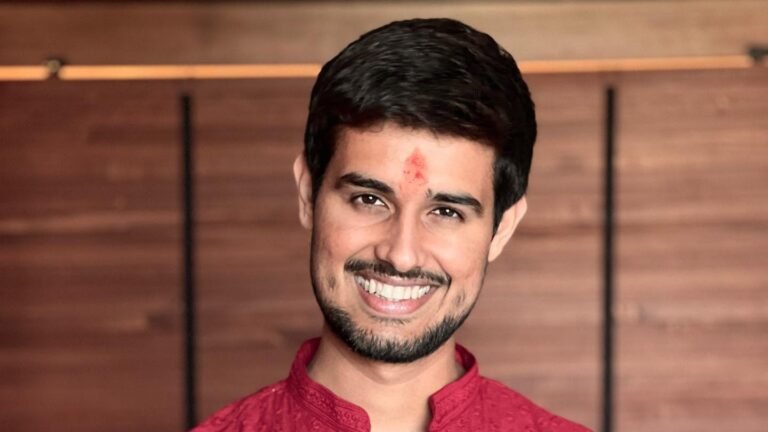
Police Cite Festive Season, Public Inconvenience
Jagadeesan’s petition sought permission to organise route marches on October 18 and 25 and November 1. The proposed events would involve participants wearing the organisation’s uniform, marching alongside a musical band and holding public meetings.
Appearing for the state, Advocate General Vijay Narayan argued that the proposed routes were unsuitable and that the marches could inconvenience the public during the festive season, particularly people shopping for Diwali and Navratri.
He also cited the need for substantial police deployment at a time when authorities had other responsibilities.
Senior advocate N L Rajah, appearing for the petitioner, argued that the RSS had been organising annual marches since its founding in 1925. He said procedural guidelines should not be treated as inflexible requirements and that police should seek clarifications from organisers instead of rejecting applications outright.
Rajah also questioned references to mosques along the proposed routes in police orders, arguing that such reasoning could undermine communal harmony.
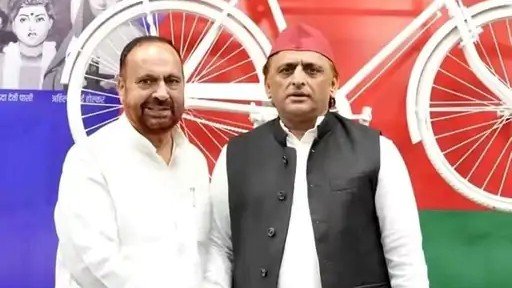
Court Questions Repeated Litigation
Justice Lakshminarayanan questioned why successive governments had repeatedly denied permission for processions, forcing organisations to approach the court.
The judge suggested that if the state intended to prohibit such events, it should consider enacting legislation rather than repeatedly rejecting applications.
“Pass a legislation saying no person will be entitled to take a procession or a march if the State is insistent on denying permission,” the court said, according to reports.
The judge also remarked that the presence of places of worship along a proposed route should not, by itself, be sufficient grounds to deny permission.
Rajah argued that the repeated litigation also raised concerns for smaller organisations that might not have the resources to approach the courts whenever permission for a procession was denied.
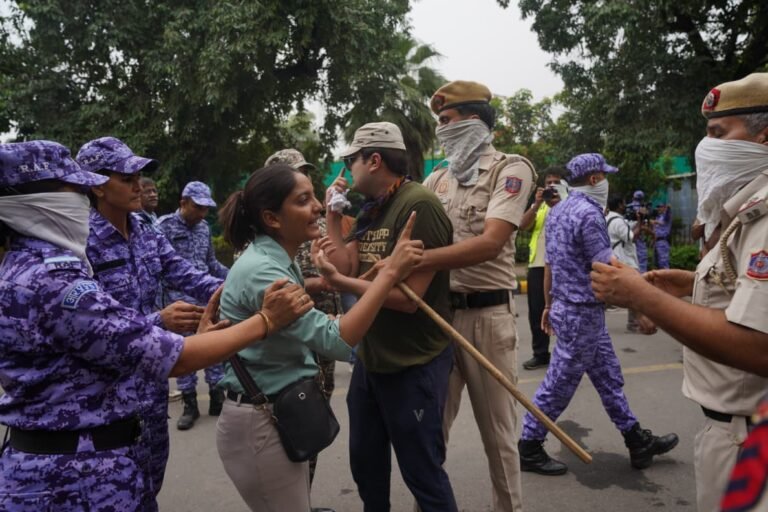
Court Seeks Resolution on Routes and Dates
The court directed the petitioner’s counsel to meet State Public Prosecutor R John Sathyan to discuss the proposed dates, timings and routes and explore a solution that would allow the events to be conducted peacefully.
The matter was scheduled to be taken up again on Thursday, October 15, with the state expected to report on the possibility of permitting the marches.
The dispute follows earlier litigation over RSS route marches in Tamil Nadu. The High Court had previously issued guidelines for such events, but permission was denied again in 2024, prompting another legal challenge.